
Last updated November 15, 2026
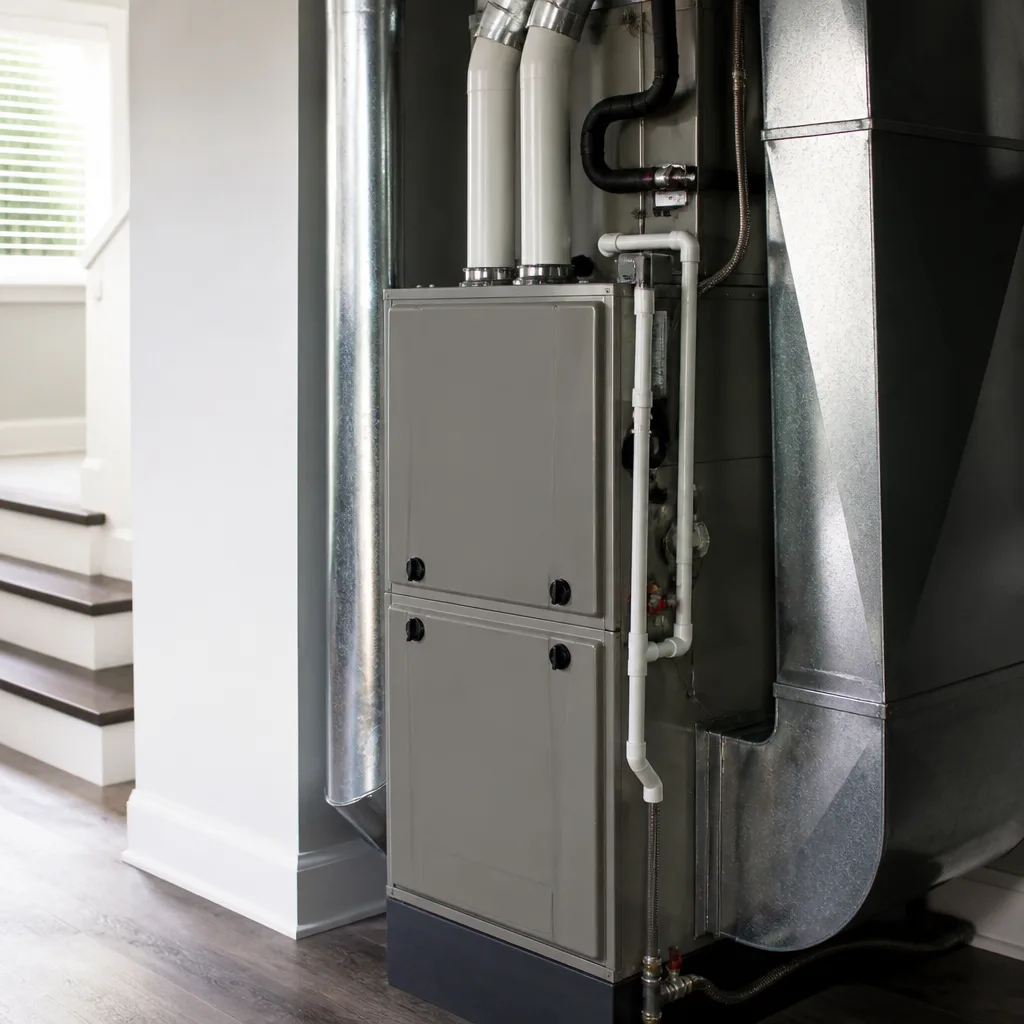 Furnace & heating
 AC repair
 Heat pumps
 Ductless mini splits
 Carrier
 Trane
 Goodman
Seasonal tune-up and full diagnostic on your Carrier, Trane, or Goodman system - readings shown to you before any repair is proposed
Diagnosis first, numbers second - you approve the repair price before a single part goes in.
Get your free estimateFurnace Replacement Maintenance Checklist for Hialeah Homeowners
A furnace in Hialeah may run fewer than 20 days a year. That sounds like good news until you understand what eight months of idle time does to a machine in 80% humidity. Most furnace failures we see in Hialeah have nothing to do with wear. They come from dormancy: corroded heat exchangers, seized blower bearings, and flame sensors that foul while the system sits dark through the long wet season. This guide is the checklist we’d hand a neighbor. It covers what to inspect before the first cold night, how to bring a dormant furnace back to life without tripping a safety switch, what to document before you shop a replacement, and when a repair still makes more sense than a new unit.
Quick Answer
The most important furnace maintenance for Hialeah homeowners is pre-season, not mid-winter. Before the first cold snap, inspect the heat exchanger for corrosion and pitting, test the igniter and flame sensor, clear the condensate line, and verify venting. Document brand, BTU input, venting type, and flue condition before requesting any replacement quote, because each mismatch adds cost. A furnace that sits idle through humid months needs this check even in years when you barely run it.
Styles & brands we work with
- AC repair
- Furnace & heating
- Heat pumps
- Ductless mini splits
- Carrier
- Trane
- Goodman
Table of Contents
- Why Dormancy Is the Real Threat to a Hialeah Furnace
- How to Inspect a Heat Exchanger After Humid-Season Dormancy
- Why Igniters and Flame Sensors Fail So Often Here
- The Pre-Season Startup Sequence
- What to Document Before a Replacement Quote
- Repair or Replace? How to Decide
- The Case for an Annual Furnace Check in a Mild Climate
Why Dormancy Is the Real Threat to a Hialeah Furnace
In colder parts of the country, a furnace earns its keep. It cycles hundreds of times a winter, and that constant use keeps moving parts loose, burns off surface moisture, and keeps the combustion path dry. In Hialeah the opposite is true. Your furnace sits in a closet, attic, or garage through months of warm, humid air. It runs maybe fifteen or twenty days a year, then goes silent again.
That idle time is where problems take root. Here’s what actually happens while the unit is off:
- Condensation on cold metal. The heat exchanger is steel or stainless steel. In a humid space it collects moisture, and moisture plus time equals surface rust that pits the metal.
- Blower bearings dry out. Lubricant settles and thickens when a motor doesn’t spin. The first cold morning, the blower fights through stiff grease.
- Dust settles into the combustion path. A dormant furnace becomes a shelf. Dust on the flame sensor and burners changes how the flame reads.
- Pilot or electronic ignition components corrode. Even a small amount of surface oxidation on an igniter or sensor terminal can stop a furnace from lighting.
The climate itself is the culprit. Hialeah’s warm, humid summers mean a furnace in a garage or attic lives in air that holds moisture most of the year. A northern furnace dries out every time it runs. Yours may not run at all between one cold front and the next.
This is why our Hialeah furnace calls often trace back to something that sat and degraded, not something that wore out. The fix is usually straightforward once we’ve identified the degraded part. The key is catching it before the cold snap, not after. (If you’d like the furnace diagnosed, our furnace repair service starts with a full inspection of the combustion path.)
How to Inspect a Heat Exchanger After Humid-Season Dormancy
The heat exchanger is the part that separates combustion gas from the air you breathe. A compromised heat exchanger is a safety issue, not just a performance issue. This is the one component we never recommend a homeowner diagnose alone, but you should know what a technician is looking for so you understand the report.
When we inspect a heat exchanger after a long idle season, we look at three things:
- Surface corrosion versus pitting. Light surface rust is common and often harmless. Pitting – small craters where metal has actually been eaten away – is different. Pitting weakens the wall of the exchanger.
- Cracks at the seams and bends. Cracks tend to appear at stress points: the bends of the tubes, the seams where sections join, and the edges near the burner openings. A hairline crack can be almost invisible until it opens up under heat.
- Discoloration and soot. Dark streaks or soot around the burner openings can signal incomplete combustion or a leak at a seam.
The difference between a pitted heat exchanger and a cracked one matters for the recommendation. Pitting may be monitored and watched in some cases. A confirmed crack in a heat exchanger is a replacement situation, full stop. Carbon monoxide can pass through a crack into the airstream. That’s a safety risk, and it’s not something to run a repair on and hope.
Because a heat exchanger inspection is genuinely easy to get wrong, we treat it as a trained-technician task. If you see rust or soot on the outside of the unit, that alone is worth a call. Our technicians have up to 10 years of experience with Daikin, Bryant, American Standard, Carrier, and the other major brands, so they know the specific heat exchanger layout for your unit before they open it up.
Why Igniters and Flame Sensors Fail So Often Here
In northern climates, the igniter and flame sensor are usually the last parts to fail. In Hialeah, they’re among the first. That’s counterintuitive until you think about what these parts do and what they live through.
The flame sensor is a metal rod that sits in the flame and sends a small current back to the control board. When the flame is on, the current flows. When the flame goes out, the current stops and the board shuts the gas off. The sensor reads that current off a thin coating on its rod. If the coating builds up – and dust and oxidation do build up – the current weakens. The board reads a “no flame” condition and shuts down. That’s why a furnace that ran fine last cold snap now won’t stay lit.
The igniter is the part that lights the gas in the first place. Modern igniters are silicon nitride or silicon carbide. They’re tough at operating temperature but brittle when cold. Surface corrosion on the terminals, or a small amount of dust, changes how they heat.
The key insight for Hialeah homeowners: these are nuisance failures caused by disuse, not wear. A furnace that runs every night in a cold climate burns off the dust and keeps the sensor clean. A furnace in Hialeah sits and collects it. That’s why the first cold snap of the year produces so many “furnace won’t ignite” calls in this city.
- Flame sensor symptom: the furnace ignites, runs a few seconds, then shuts off. Sometimes it repeats three or four times before locking out.
- Igniter symptom: the furnace calls for heat but you hear no click, or you hear the gas valve cycle with no flame.
Neither part is expensive to replace. But a homeowner who doesn’t know what these symptoms mean often ends up with a diagnostic call and a repair on the coldest night of the year. A pre-season check catches both before the weather turns.
The Pre-Season Startup Sequence
Before the first cold front of the year, run through this sequence. It’s the same order a technician uses, and it’s designed to bring a dormant furnace back online without tripping safety limits or masking a problem.
- Check the filter and the air path. A clogged filter is the most common cause of a furnace that trips on high-limit. Replace it before you do anything else. Then make sure no return grilles are blocked by furniture or storage boxes.
- Clear the condensate line. High-efficiency furnaces produce condensate. If the drain line is clogged – and a line that sat all summer often is – the pressure switch may not close, and the furnace won’t come on. Check the drain pan and the exterior termination.
- Inspect the combustion air intake and the flue. Make sure the intake pipe isn’t blocked by insect nests or debris. Then check the flue termination outside. That vent should be clear.
- Verify the thermostat is calling for heat correctly. Set it a few degrees above room temperature. Listen for the sequence: draft inducer spins up, then ignition, then the blower comes on after a delay.
- Watch the flame. A healthy flame is steady and blue with a slight yellow tip. A rolling, orange, or lifting flame is a sign to shut it down and call for service.
- Check for carbon monoxide outside the unit. If you have a CO detector, test it on the same day. Then listen for any odd smells near the furnace closet.
If the furnace runs through that sequence without a lockout, you’re most of the way there. If it locks out – meaning it tries to light three or four times then shuts down – that’s the point to stop and call.
The sequence matters because a lot of startup problems come from doing things out of order. A furnace that trips on high-limit while the filter is clogged, or a pressure switch fault while the drain is clogged, can look like a much bigger problem than it is. Get the airflow and drain clear first, then test.
What to Document Before a Replacement Quote
When you do need a replacement quote, the quality of that quote depends on how much the technician knows about your existing system before quoting. Four facts drive the cost of a furnace replacement more than anything else, and every one of them should be on the quote.
- Brand and model number. The data plate on the furnace has a model number. Photograph it. Knowing you have a Carrier or a Daikin tells a technician what the replacement will need to match or update, and it lets the quote compare like to like.
- BTU input rating. The furnace’s input BTU is the number that determines what replacement capacity you need. A replacement sized wrong – either too large or too small – runs inefficiently and can shorten the unit’s life. This is not something to guess at.
- Venting type. Is the furnace a standard-efficiency unit venting into a metal flue, or a high-efficiency condensing unit venting through PVC pipe? These two types cannot be swapped without changing the venting itself.
- Existing flue condition. If you’re staying with a standard-efficiency furnace, the existing metal flue needs to be inspected for deterioration. Replacing a furnace without checking the flue is one of the common ways a replacement job gets more expensive after the fact.
Mismatching any of these adds cost. A high-efficiency furnace installed into a flue that wasn’t built for it means either rethinking the equipment choice or paying for a new venting run. A furnace sized by rule-of-thumb instead of by the actual load adds running cost over the life of the unit and may not keep the house comfortable in the coldest weather. Documenting these four facts puts you in charge of the quote instead of reacting to it.
When we come out to quote AC installation or a furnace replacement, we do this documentation as part of the visit. We’re brand-neutral on replacement equipment – we’ll size for your home and your goals rather than steering you to one line. The right answer for a Hialeah home may be a Bryant, an American Standard, or a Carrier depending on the venting already in place. The point is that the choice follows from the facts, not from what a dealer happens to stock.
Repair or Replace? How to Decide
We do both furnace repair and furnace replacement, so the recommendation we give isn’t steered by which service pays more. That’s a genuine difference. When a technician is only set up to sell replacement units, they tend to see replacements. When a company does repairs too, the honest question comes up: is this repair going to solve the problem for reasonable money, or is it a patch on a failing unit?
Here’s how we actually think through the decision:
- Age and condition of the heat exchanger. A cracked heat exchanger is a replacement. Pitted but intact metal is worth discussing. A heat exchanger that’s in good shape and no more than middle-age is treatable.
- The cost of the repair versus the cost of a new unit. A single failed igniter on a furnace with years of service left is an easy repair. A failed blower motor on a fifteen-year-old furnace with a pitted exchanger is a different conversation.
- Efficiency gap. An older standard-efficiency furnace may be running around 80% efficiency where a newer condensing unit runs far higher. That gap doesn’t always justify replacement by itself, but it adds weight to the replacement side of the ledger.
- Repair history. A furnace with three service calls in two years is telling you something. A furnace with no recent history and one failure is a repair candidate.
The customer’s preference matters too. Some homeowners want to get the maximum life out of a system they chose. Others want the comfort and efficiency of a new installation and are ready to move on. Our job is to give you a straight read on the trade-offs, then let you decide.
If your Hialeah furnace is already on the replacement side, the documentation list above is your best defense against sticker shock. Bring those four facts, get two or three written quotes, and compare them on capacity, venting, and the scope of what’s included. Our Banner AC Repair approach is to put that in writing and set the final price in the estimate, not after the work starts.
The Case for an Annual Furnace Check in a Mild Climate
The standard advice is to service your furnace annually. Most Hialeah homeowners skip that advice because their furnace runs so little. That’s the exact reason to follow it. A furnace that runs every day in Chicago shows its problems. A furnace that runs fifteen days a year in Hialeah hides them.
What does an annual check actually include, and why does it matter in this climate?
- Combustion analysis. A technician uses instruments to measure the combustion gases and confirm the furnace is running clean. This catches early signs of a heat exchanger problem before the CO risk becomes real.
- Heat exchanger inspection. The camera and visual check described earlier. Annual inspection means a small issue is caught while it’s still small.
- Igniter and flame sensor cleaning or replacement. Removing the surface corrosion before the cold snap prevents the most common no-heat call in Hialeah.
- Blower and motor check. Verifying that the blower spins freely and the motor draws normal current.
- Venting and condensate inspection. Confirming the flue and drain are clear before startup.
In a cold climate, an annual check is about wear. In Hialeah, it’s about dormancy and humidity. The check catches the corrosion, the fouled flame sensor, the settling dust, and the drain clog before the first cold night does. If you’re thinking about a maintenance arrangement that includes the annual furnace check, that’s a conversation we have often with Hialeah homeowners. We keep the recommendation tied to what the equipment actually needs.
One more consideration: the maintenance visit is also the natural moment to plan for replacement if the equipment is heading that way. A technician who’s seen the system every year can tell you when it’s time to start getting quotes. That beats getting an emergency replacement mid-cold-snap.
Common Mistakes to Avoid
- Waiting for the first cold night to test the furnace. Hialeah’s cold snaps come fast. Testing the furnace on the night you need it means any no-heat call that night gets logged with everyone else’s. Run the startup sequence in late fall while the weather is still mild.
- Ignoring the furnace because you barely use it. Low usage doesn’t mean low risk. In a humid climate, idle time is when corrosion and sensor fouling happen. The maintenance check matters more here, not less.
- Skipping the heat exchanger inspection to save time. This is the one inspection that’s about safety, not comfort. A pitted or cracked heat exchanger can leak combustion gases into the airstream. Have it inspected, not assumed.
- Blocking the return or supply vents in a closet or attic install. Storing boxes against the furnace or blocking the return grille restricts airflow. A high-limit trip is the first sign, but restricted airflow shortens the life of the blower and the exchanger over time.
- Replacing a furnace without documenting brand, BTU, venting, and flue. A quote given without those four facts is a guess. Document them first and require them in the written estimate.
- Choosing a replacement by brand rather than by fit. A Bryant, Carrier, or American Standard furnace is not automatically the right unit for a Hialeah home. Capacity, venting compatibility, and efficiency goals should set the choice. Brands should follow.
- Hiring someone who can’t name your equipment. A technician learning on the job on your furnace is a risk. Ask whether the company works on your brand. We work across nine of the most-installed brands because a Hialeah homeowner shouldn’t have to shop around based on which brand they happen to own.
See the difference
 Before
 After
 Before
 After
 Before
 After
When to Call a Professional
Call a professional if the furnace won’t fire at all, if it ignites and shuts off repeatedly, if the flame is orange or rolling instead of steady blue, or if there’s any smell of gas near the unit. Call if the CO detector goes off – that’s a shut-it-down and get-out situation, then call. If the blower runs but the furnace doesn’t heat, or the furnace heats but the blower doesn’t move air, that’s a service call, not a repair to attempt yourself.
Also call if the heat exchanger shows visible soot, rust streaks, or pitting. And call if you’re pricing a replacement – a professional written estimate is free and takes the guesswork out of brand, capacity, and venting. Banner AC Repair offers free estimates in Hialeah. Call (866) 806-7345. We answer 24/7. Fast dispatch from 7am to 7pm, Sunday through Friday.
Frequently Asked Questions
Once a year, before the first cold snap of the season. Even in a mild climate where the furnace runs only a few weeks, the off-season in humid air causes condensation, sensor fouling, and blower bearing issues that an annual check catches. Put the check on your calendar in late fall, before the cold front arrives. Call (866) 806-7345 to schedule yours – estimates are free.
Yes. The fewer days your furnace runs, the more dormant months it spends in humid air, and dormancy is when the corrosion and dust problems develop. That’s exactly why a check matters more in Hialeah than in a colder climate. Call (866) 806-7345 to book the visit.
A furnace replacement is priced per job from a written estimate after we’ve documented brand, BTU input, venting type, and existing flue condition. Those four facts are what drive the final price, so a phone quote given without them is a guess. Call (866) 806-7345 for a free estimate and a written fixed price.
You usually can’t tell from the outside. A cracked heat exchanger often shows no visible sign to a homeowner and is caught during a professional inspection using a camera and combustion analysis. Visible soot, rust streaks, or pitting on the outside is a sign to call. Call (866) 806-7345 to get it inspected.
No. A furnace replacement involves gas connections, venting, combustion safety, and matching the unit to the home’s capacity and existing flue. Getting any of these wrong is a safety issue and a code issue. Our technicians have up to 10 years of experience with Daikin, Bryant, American Standard, Carrier, and the other major brands. Call (866) 806-7345 for a free estimate.
That symptom usually points to a flame sensor that’s reading “no flame” because the sensor rod is fouled with surface oxidation. It’s common on a dormant furnace in a humid climate and usually fixable with a cleaning or replacement. Don’t ignore it. Call (866) 806-7345 to have it diagnosed.
The Bottom Line
The furnace in a Hialeah home fails from dormancy, not from overuse. Corrosion, sensor fouling, blower bearing stiffness, and clogged drains are the real threats, and a pre-season startup check catches all of them. Document brand, BTU input, venting, and flue before you shop a replacement quote, because those four facts drive cost. Repair vs. replace comes down to the heat exchanger’s condition, the cost of the repair, and the equipment’s overall health. An annual furnace check makes sense in this climate because the problems develop silently while the unit sits. Nine brands, one standard of work: whichever furnace you own, the technician should already know it before arriving.
Free estimates are available through Banner AC Repair. Call (866) 806-7345. We answer 24/7. Fast dispatch from 7am to 7pm, Sunday through Friday.
Written by the team at Banner AC Repair.