
Last updated November 15, 2026
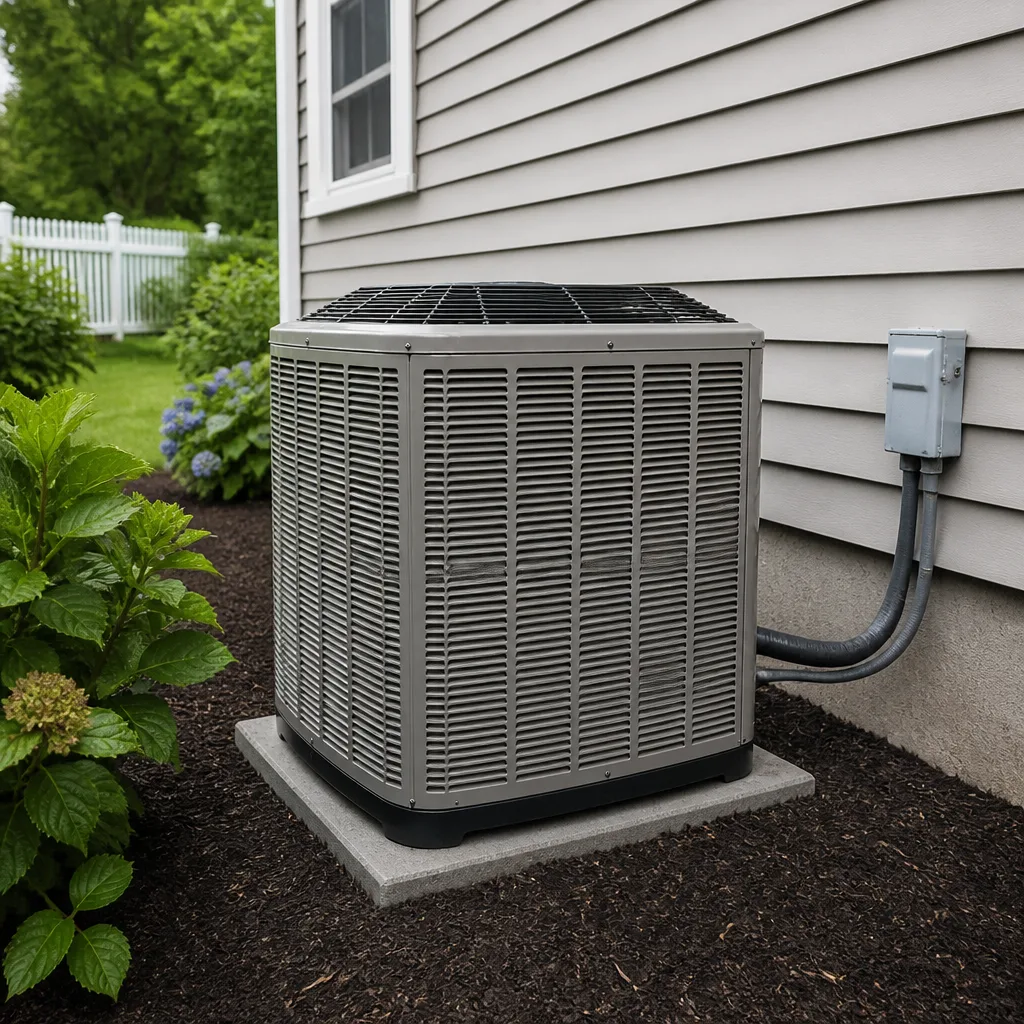 AC repair
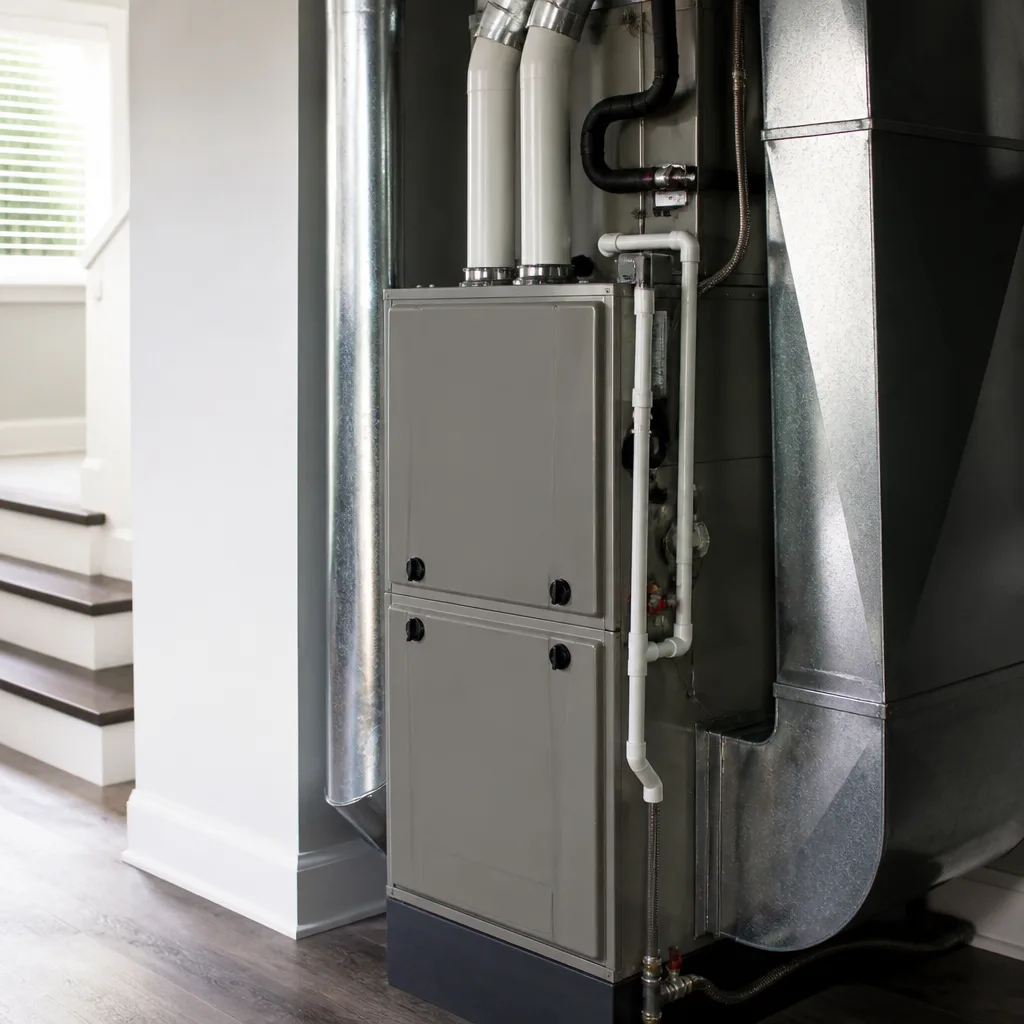 Furnace & heating
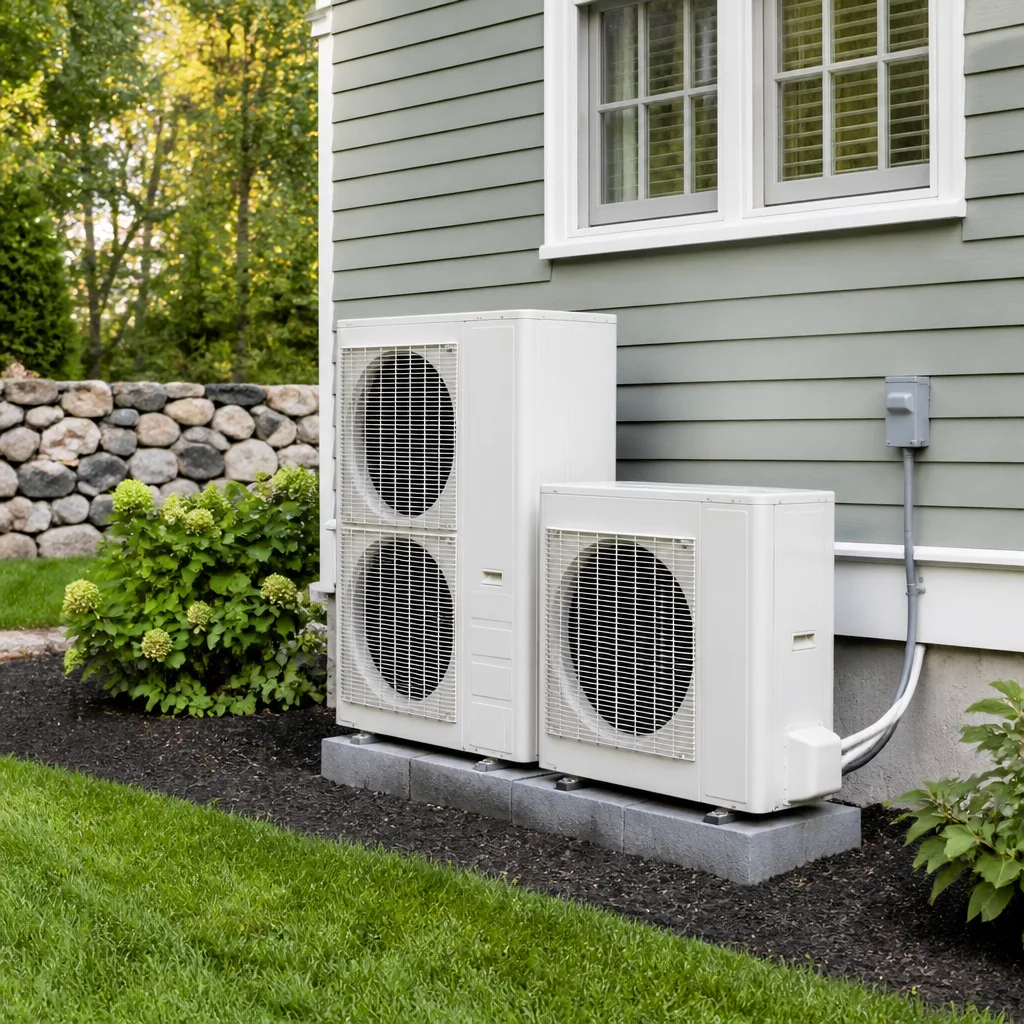 Heat pumps
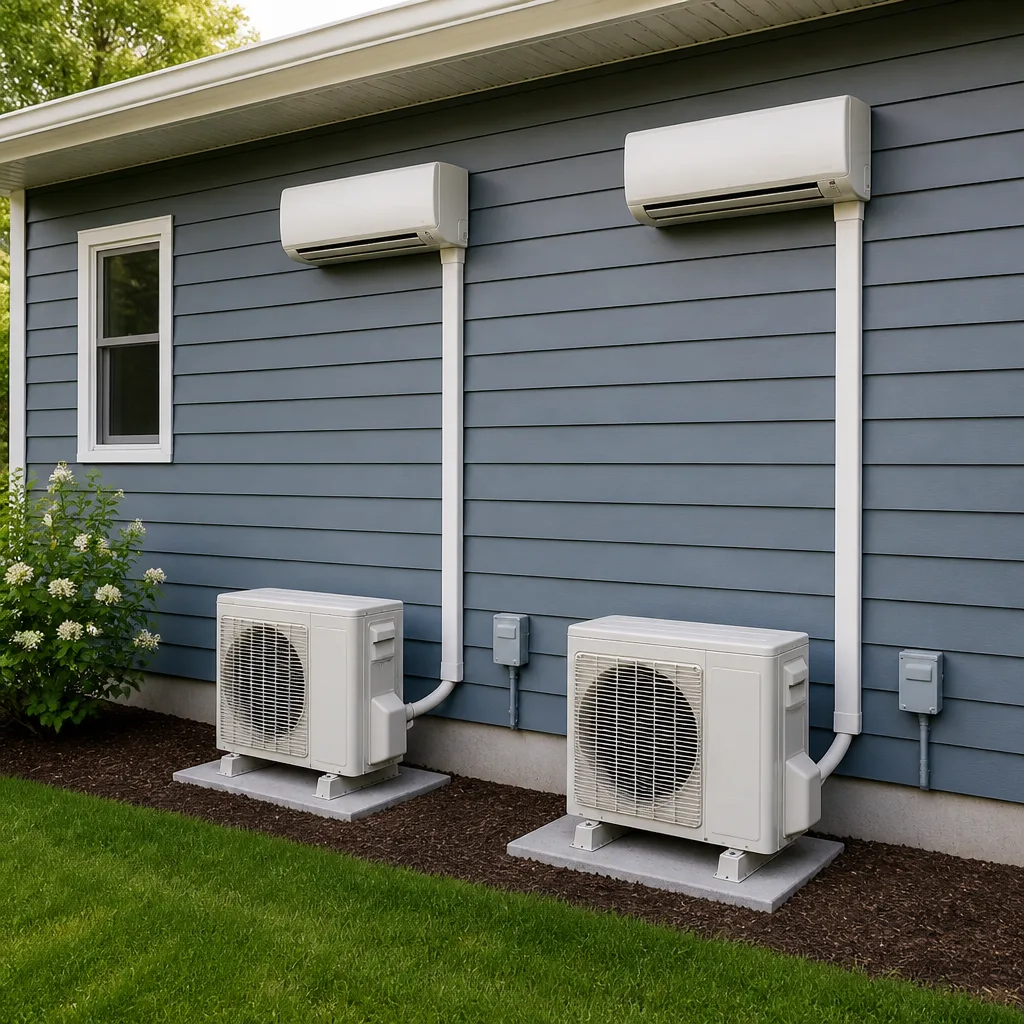 Ductless mini splits
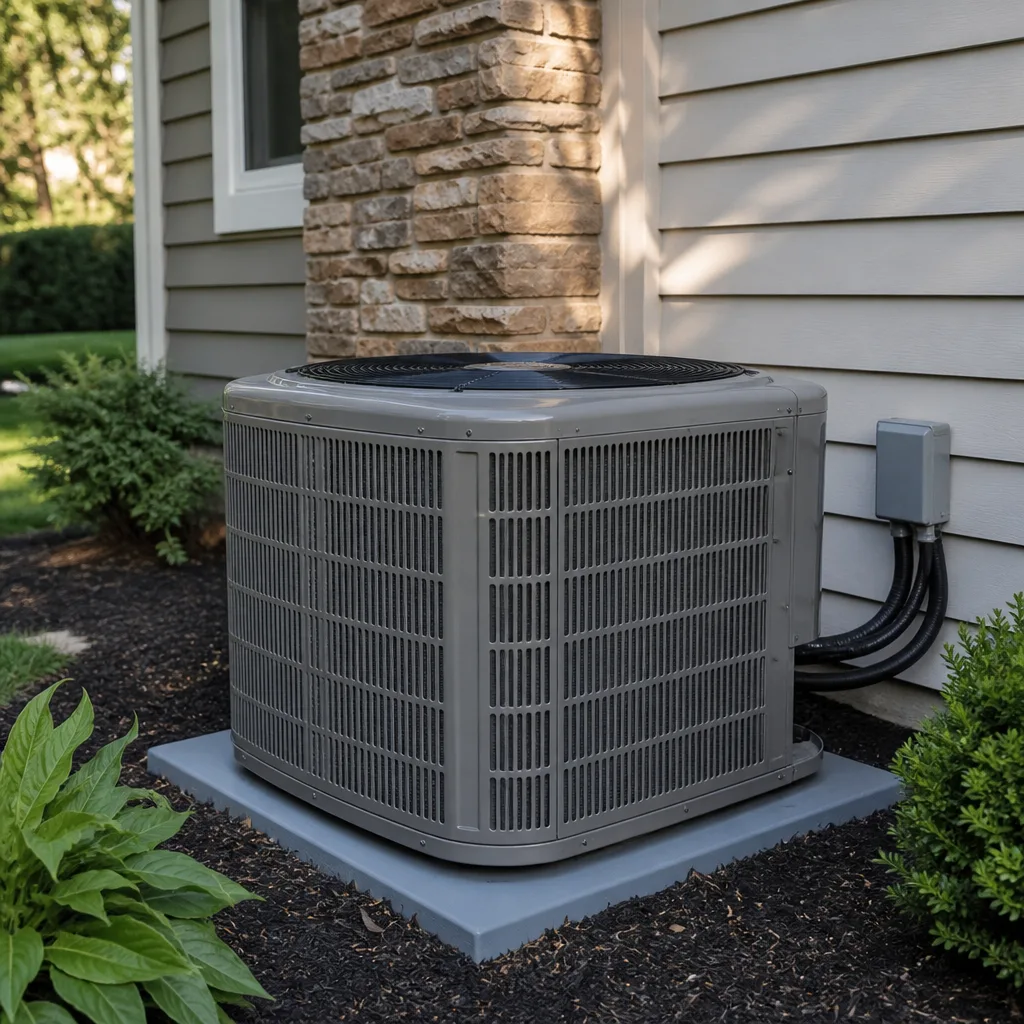 Carrier
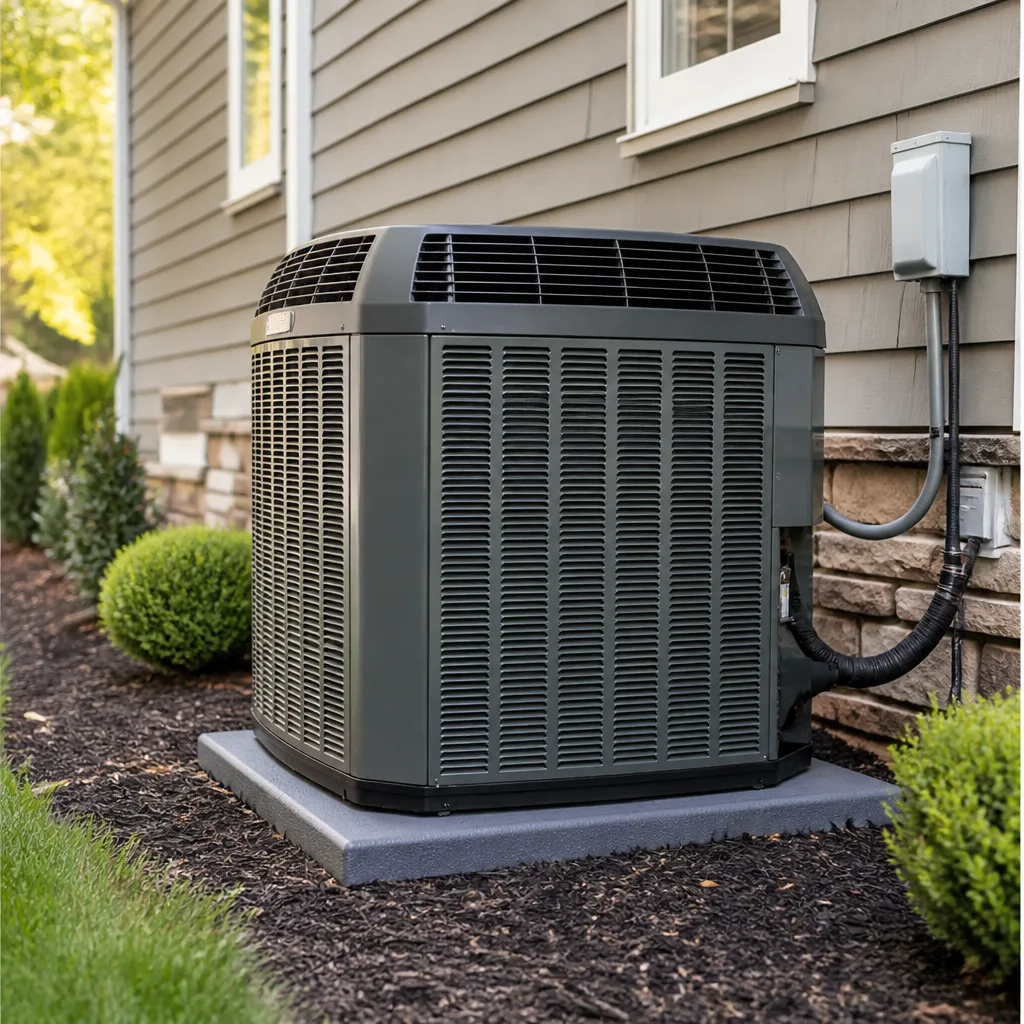 Trane
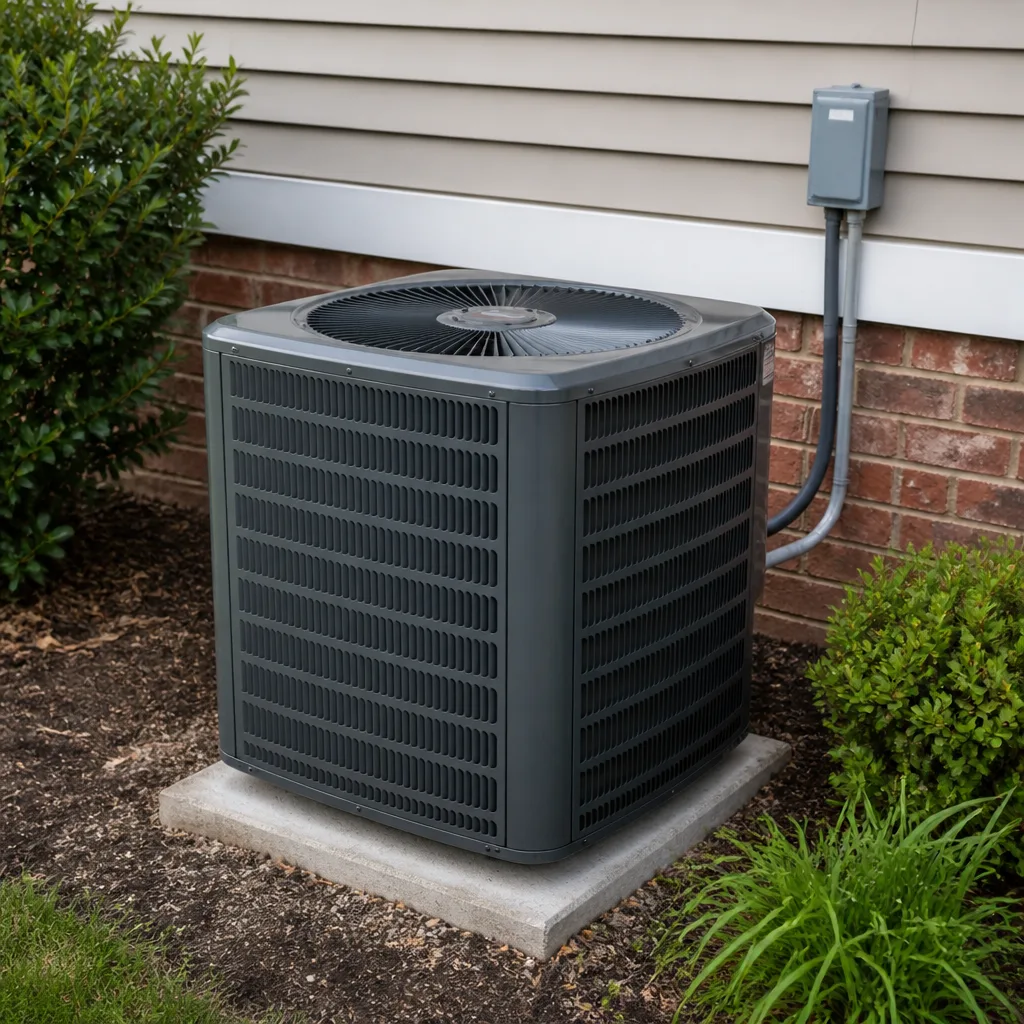 Goodman
Seasonal tune-up and full diagnostic on your Carrier, Trane, or Goodman system - readings shown to you before any repair is proposed
Diagnosis first, numbers second - you approve the repair price before a single part goes in.
Get your free estimateHow to Hire an HVAC Contractor in Hialeah: A Step-by-Step Guide
Most homeowners in Hialeah choose an HVAC contractor the way they choose a restaurant: by what it costs and how good the ad looks. That approach works fine for dinner. It’s a bad way to hire the person who will open your walls, wire your condenser, and put their name on equipment paperwork that outlives the install by a decade or more. Florida’s HVAC licensing database is public, but very few homeowners look at it before signing an estimate. This guide treats hiring as a risk-management job, not a price-shopping exercise. You’ll learn how to verify a license, read a permit history, spot the red flags hiding in an estimate, and ask the equipment-registration questions almost nobody asks until a warranty claim gets denied.
Quick Answer
To hire an HVAC contractor in Hialeah, verify the contractor’s Florida Certified Air Conditioning (CAC) license on the state DBPR database, confirm the license status is active and not restricted, check that permits are pulled in the correct name, and insist on a Manual J load calculation before any equipment is quoted. The signed written estimate should name the equipment model, list labor line items separately, and state who is responsible if a final inspection fails. Price comes last – a low bid on the wrong paperwork costs more than a fair bid done correctly.
Styles & brands we work with
- AC repair
- Furnace & heating
- Heat pumps
- Ductless mini splits
- Carrier
- Trane
- Goodman
Table of Contents
- How to verify a Florida HVAC license in Hialeah
- Why single-brand contractors are structurally biased
- Red flags in an HVAC estimate
- How to read a contractor’s permit history in Hialeah
- The Manual J question every homeowner should ask
- Equipment registration and extended warranties
- Ten questions to ask before signing
- Common mistakes to avoid
How to verify a Florida HVAC license in Hialeah
Every legitimate HVAC contractor in Florida who performs work over a certain size holds a state license through the Department of Business and Professional Regulation (DBPR). The Certified Air Conditioning Contractor license, usually abbreviated CAC, is the class most Hialeah homeowners will encounter. It permits the contractor to install, repair, and maintain air conditioning and heating systems. There’s also a Registered Air Conditioning Contractor license, which is tied to a specific local jurisdiction and doesn’t travel the way a Certified license does.
The DBPR keeps a free public license lookup. You can search by name, license number, or business name. When you look up a contractor, check three things at minimum:
- Status. It should read “Active.” “Inactive” means the contractor cannot legally contract work. “Null and Void,” “Delinquent,” or “Suspended” are hard stops – walk away.
- Restrictions. Some licenses carry formal restrictions or probation terms. The DBPR record will show these. A restricted license isn’t automatically disqualifying, but you want to understand what the restriction is before hiring.
- Qualifier. The person who qualified the license has to be tied to the business. If the qualifier changed recently or the business name doesn’t match the license, ask why.
Pull up the license on your phone while the estimator is still in your home. Any contractor who knows you’re checking will treat the visit differently from one who assumes you won’t. If they get defensive about it, that tells you what you need to know. Our technicians in Hialeah have up to experience, and every one of them works under our licensed business because that license is the baseline, not the bonus. Banner AC Repair keeps the license current and active because the state requires it – not because it makes for good marketing copy.
Why single-brand contractors are structurally biased
A contractor who only installs one brand of equipment is not being dishonest when they recommend that brand. They’re being rational. Their business model depends on moving that manufacturer’s product, their truck stock is loaded with that brand’s parts, their training is on that brand’s systems, and their dealer agreement may carry volume commitments. None of that is a scam. It’s just a structural incentive you should understand before you let their recommendation shape a purchase you’ll live with for a decade.
Multi-brand dealers like Banner AC Repair exist in a different arrangement. We work on Carrier, Trane, Lennox, Goodman, Rheem, York, Daikin, Bryant, and American Standard – equipment from nine of the industry’s most-installed manufacturers. That breadth matters when sizing a system, because the right answer for a 1,100 square foot Hialeah home with a low-slope roof and heavy afternoon sun exposure is not the same as the right answer for a 2,200 square foot home with a two-story layout and shaded west wall. A brand-agnostic consultation lets you weigh efficiency, sound level, and cost across manufacturers instead of within one lineup.
If you’re shopping a Goodman or Rheem system, ask the contractor to compare it against a Daikin or York equivalent using the same tonnage and SEER rating band. A dealer who can’t or won’t make that comparison for you is telling you something useful about how the conversation will go.
Red flags in an HVAC estimate
An HVAC estimate should be a document you could hand to a stranger and have them understand exactly what will happen. If it reads like a one-line item with a lump sum at the bottom, you’re being asked to trust rather than evaluate. Here’s what to look for – and what should make you pause.
- No Manual J. Manual J is the industry-standard load calculation for sizing HVAC equipment. A contractor quoting tonnage by rule of thumb – “about 500 square feet per ton” – is sizing by habit, not by your house. Oversized systems short-cycle, under-dehumidify, and fail early in Florida’s humidity.
- Missing equipment model numbers. A quote that says “3-ton condenser” without a model number is a placeholder. You can’t compare prices without knowing exactly what’s being installed, and you can’t register the warranty without the model and serial later.
- Vague labor line items. A proper estimate breaks out equipment, labor, permit costs, line-set and drain work, and any duct modifications. If labor is bundled into one number, you’ll never know what changed when the price changes.
- “Same-day install” on a complex job. A straight condenser-and-coil swap in an accessible attic can be done in a day. A full change-out involving new line sets, ducting modifications, or an electrical upgrade cannot be done well in one day – and anyone promising it on a complex job is compressing steps that matter.
- No permit line item. Hialeah requires permits on HVAC change-outs and new installs. A quote without a permit line means somebody is planning to skip the permit or bury the cost and pull it as “unforeseen” later.
- Pressure to sign today. Equipment lead times fluctuate, but no legitimate contractor needs a signature before you’ve read the paperwork and verified their license.
If the estimate you’re holding already includes an AC installation scope with all of the above accounted for, you’re ahead of most Hialeah homeowners. If it doesn’t, ask for a revised quote before you sign anything.
How to read a contractor’s permit history in Hialeah
Hialeah’s building department, like most in Florida, records permits by address and contractor. That record is public. In our experience, this is the most underused tool homeowners have – and the one that reveals the most about how a contractor actually operates.
Here’s the process:
- Ask the contractor for two or three recent Hialeah addresses where they performed HVAC work of similar scope to yours. A reputable contractor will provide these without hesitation.
- Search those addresses in the city’s permit portal. Each permit record should show: the contractor on file, the scope of work, the inspection dates, and the final status.
- Look for finaled and passed inspections. A permit that was pulled but never finaled is either still open or abandoned – both are problems.
- Look for failed inspections followed by a correction. One failed inspection corrected promptly isn’t a red flag. Multiple failures or repeated corrections on the same permit are a pattern worth understanding before you hire.
- Look for stop-work orders. These are rare but visible in the public record. A stop-work order on a contractor’s permit history is a hard stop unless you can get a specific, verifiable explanation.
- Check the contractor of record on the permit. If the name on the permit doesn’t match the name on your estimate, ask why – this sometimes means a subcontractor arrangement you weren’t told about.
This process takes fifteen minutes. It tells you more than any review site ever could, because it reflects what actually happened, not what a customer chose to write about afterward. The same logic applies if you ever need furnace repair – the heating side has the same permit requirements and the same paper trail.
The Manual J question every homeowner should ask
“Did you run a Manual J calculation, and can I see it?” That’s the single question that separates contractors doing the work properly from contractors sizing by habit. Manual J is the Air Conditioning Contractors of America’s standardized method for calculating exactly how much heating and cooling a specific house needs. It accounts for orientation, window area, insulation, ceiling height, duct configuration, and local climate data.
In Hialeah, this matters more than almost anywhere in the country. Our cooling load is heavy year-round, humidity control is as important as temperature, and mid-century homes built before the 1980s often have envelope characteristics – insulation levels, window type, roof construction – that shift the load calculation well away from the neighborhood average. A quick “square footage divided by tonnage” rule will miss those specifics.
When you ask the question, expect one of three answers:
- “Yes, here it is.” You’ll get a calculation report with a recommended tonnage and a note of the inputs. This is what you want.
- “Yes, the office runs it and I’ll send it over.” Also fine – just confirm you actually receive it before signing.
- “We size by square footage.” Kindly but firmly: this is not a load calculation. Ask for the Manual J or move on.
Load calculations are the front end of AC installation work, and they’re non-negotiable if you expect the system to dehumidify properly and last its rated life. A properly sized system running at full capacity removes more moisture than an oversized system cycling on and off, and in a Hialeah summer, that difference is visible on the walls and smellable in the air.
Equipment registration and extended warranties
Here’s where most homeowners get blindsided – sometimes years after the install. Manufacturer warranties on HVAC equipment often require the equipment to be registered in the homeowner’s name within a specified period after installation. Miss that window and the standard limited parts warranty may default to a shorter term. The registration record is what the manufacturer’s claims department looks at when something fails, not the contractor’s invoice.
Ask three questions on every estimate:
- Who registers the equipment, and in whose name? The answer should be the contractor, in your name, with a copy of the registration sent to you. Get it in writing.
- What is the labor warranty, and who honors it? Parts warranties come from the manufacturer. Labor warranties come from the contractor. Confirm both, in writing, with durations.
- Does the registration transfer if I sell the home? Some manufacturers allow one transfer, some don’t. Know what you’re passing along or not passing along.
Extended warranty sales are legitimate in some cases and a poor value in others. Read the exclusions carefully – many extended plans exclude the components that actually fail in Florida, like capacitors, contactors, and blower motors. The parts most likely to break are usually the cheapest to repair. A plan that covers only the compressor and heat exchanger, for example, adds little real protection on a straightforward residential system.
One more point on warranty denials: a common reason a claim gets rejected is that the equipment was installed without a permit or not to manufacturer specifications. The manufacturer’s obligation is conditional on proper installation. If the install was done off the books, the manufacturer has grounds to refuse the claim. This is one of the strongest reasons to never sign off on an unpermitted install – even if the contractor offers it as a way to “save you money.” The savings vanish the first time you need a warranty repair.
Ten questions to ask before signing
Print this list. Ask every question. Write down the answers. Any contractor who resists answering any of these is telling you something.
- What is your Florida license number, and is the license currently active?
- Who is your qualifier, and is that person still with the business?
- Can you provide two or three recent Hialeah addresses where you performed work like mine?
- Will you pull a permit for this job?
- Will you run a Manual J calculation before sizing equipment?
- Which manufacturers do you work with? Can you compare two or three options in the same tonnage and efficiency band?
- Who registers the equipment, and in whose name?
- What is the parts warranty, and what is the labor warranty?
- If the final inspection fails or requires a correction, who is responsible for that work?
- What is the total written estimate, and is that price locked once I sign?
The last question matters most during Florida’s summer, when equipment lead times tighten and prices move. A written estimate that locks the number at signing protects you from “the price went up since we talked” conversations two weeks later.
Common Mistakes to Avoid
- Choosing on price alone. The lowest bid is almost always the one with the thinnest scope. It’s the one that skips the Manual J, omits the permit line, or uses a smaller-tonnage unit than the house needs. You’ll pay the difference at the first warranty claim.
- Not checking the DBPR license status. An inactive license means the contractor legally cannot contract work in Florida. If you hire anyway, you have no state recourse when something goes wrong.
- Allowing the contractor to skip the permit. Permits exist for inspection purposes. Skipping them is not a savings – it’s an unregistered install that can void the manufacturer’s warranty the moment you need it.
- Letting the contractor register the equipment in the company name. This happens more than homeowners realize, especially when a contractor handles registration quickly. Always confirm the registration is in your name and get a copy.
- Accepting “same-day install” on a complex job. A straight change-out can happen in a day. A job involving new line sets, ducting work, or electrical upgrades needs more time. Compressing that time is the most common way corners get cut.
- Buying extended warranty without reading exclusions. In Florida, the parts that fail most often on residential equipment – capacitors, contactors, and blower motors – are frequently excluded from extended plans. Cheap components, common failures.
- Not asking who is responsible for a failed final inspection. The answer should be the contractor, in writing. If the estimate is silent on this, you’re the one holding the permit risk if something goes wrong at inspection.
Every one of these mistakes is avoidable with fifteen minutes of checking and one firm set of questions. The Hialeah market has plenty of contractors who do the work properly – the trick is separating them from the ones who don’t before you sign.
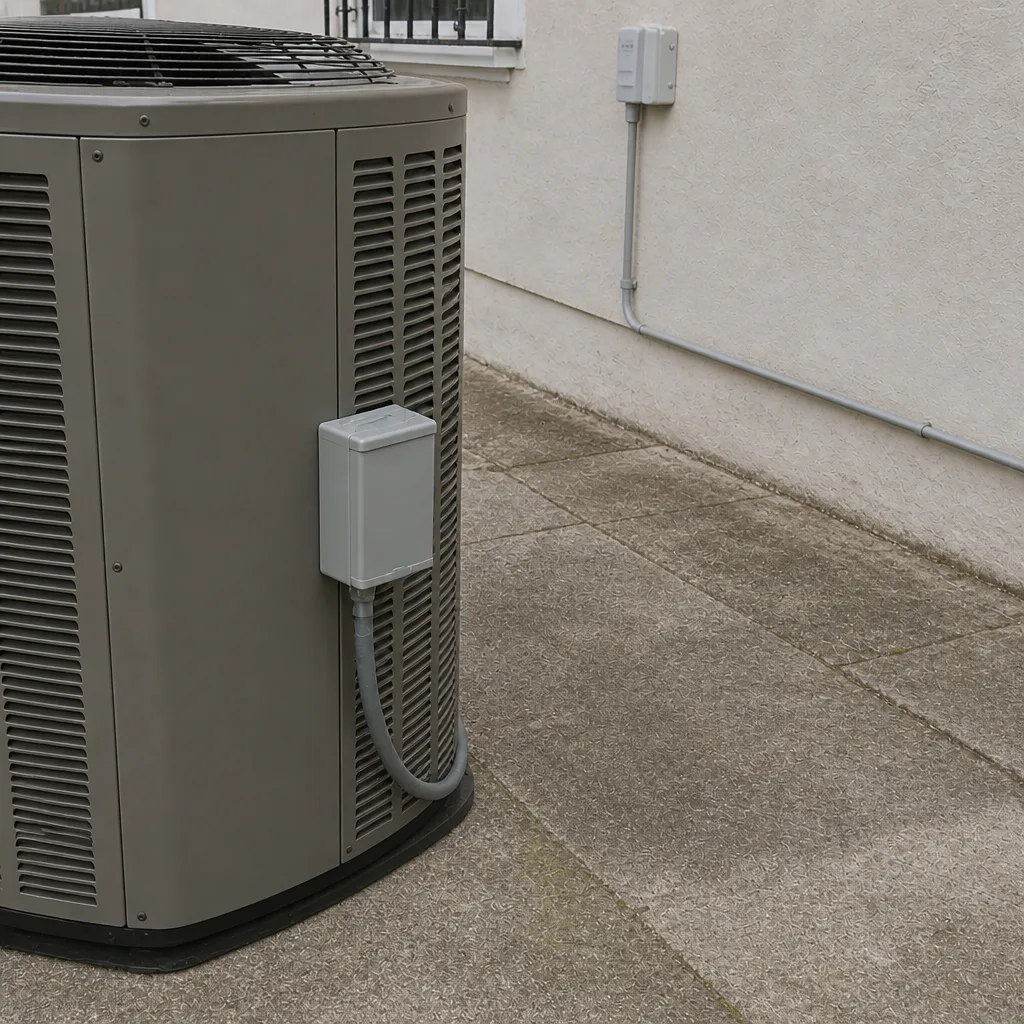
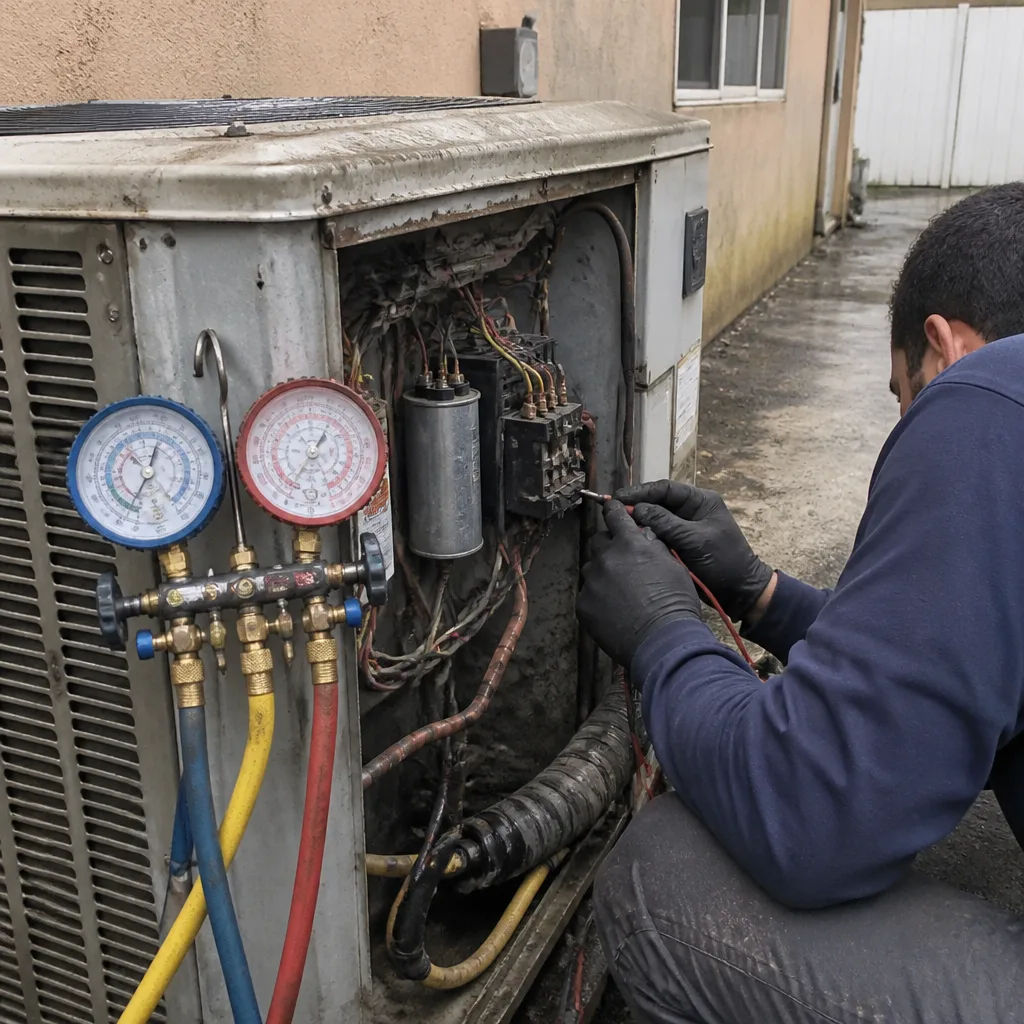
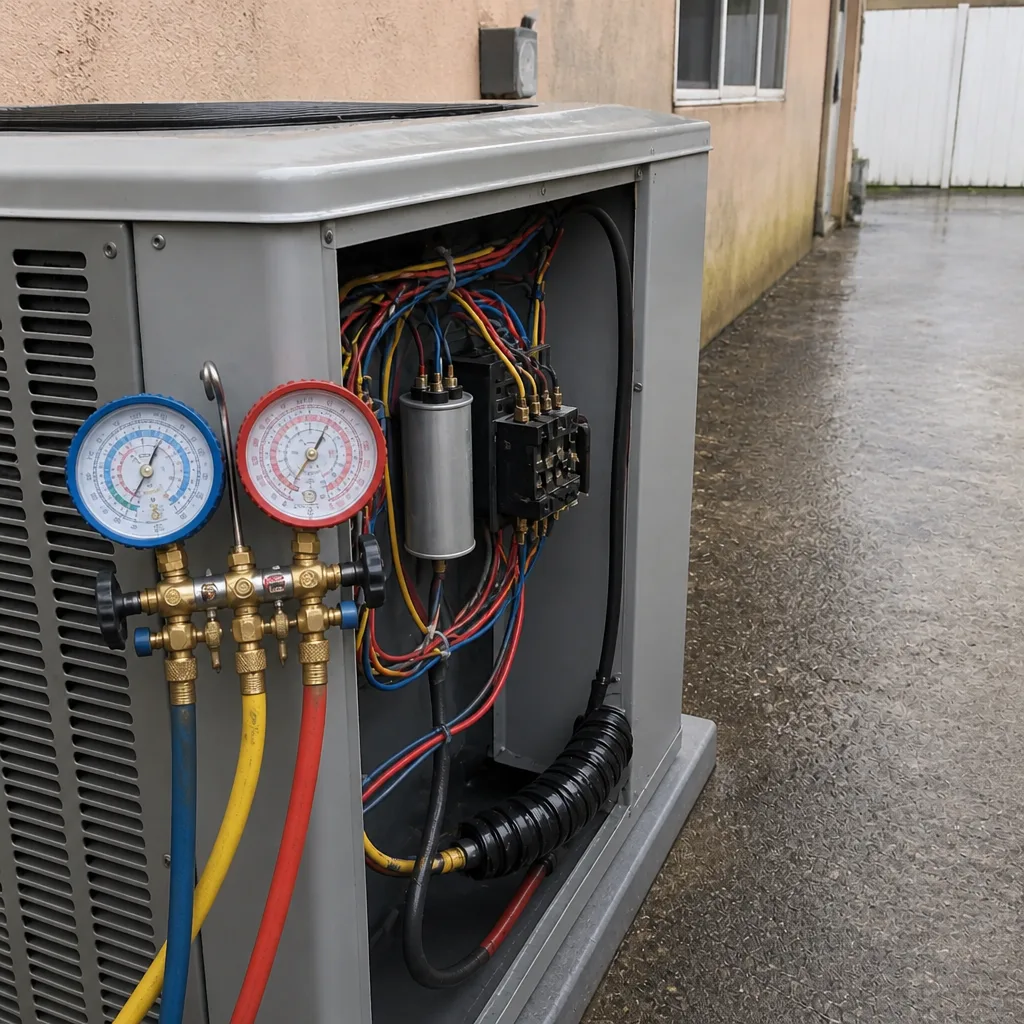
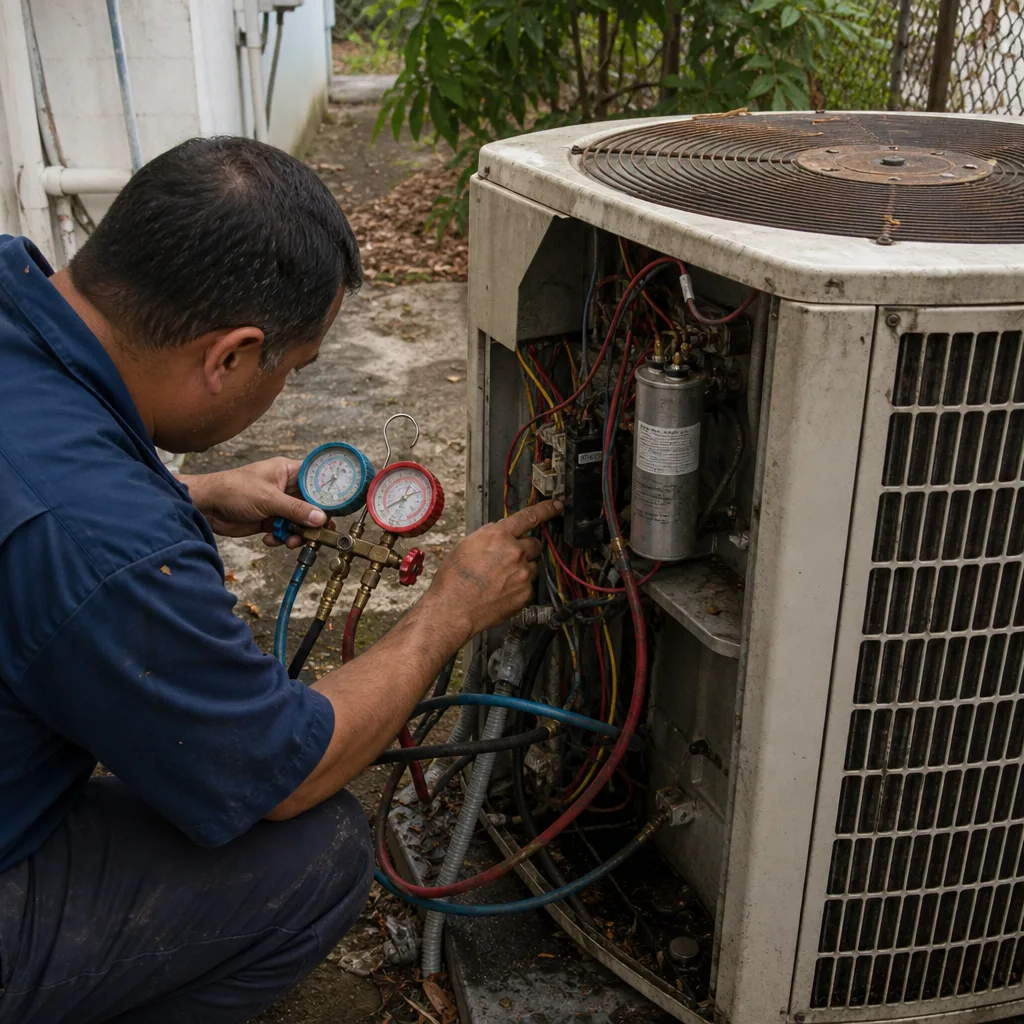
See the difference
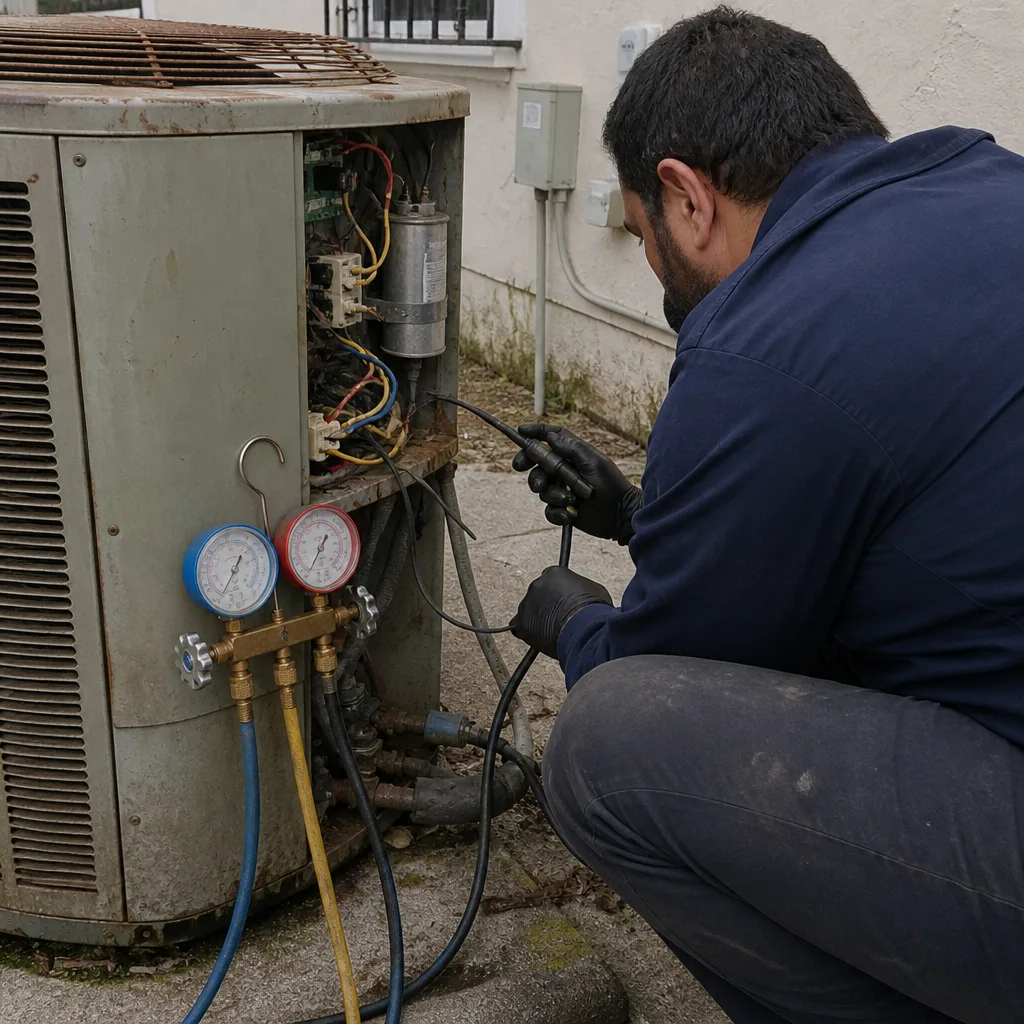 Before
 After
 Before
 After
 Before
 After
When to Call a Professional
Some HVAC work is a homeowner decision. Some isn’t. If your system is dead in July, if you’re seeing repeated tripped breakers on the air handler, or if the system is blowing warm air and the low-side line is frozen, that’s a professional call – not a YouTube tutorial. Electrical components inside an air handler carry lethal voltage, refrigerant lines operate under pressure, and gas furnace equipment involves a combustible fuel source and a heat exchanger that fails invisibly. These aren’t areas for self-diagnosis.
Banner AC Repair offers free estimates in Hialeah – call (866) 806-7345. We answer 24/7. Fast dispatch from 7am to 7pm, Sunday through Friday. Same-day service is available for repair calls, and every estimate is written, itemized, and free.
Frequently Asked Questions
Look up their license number on the Florida DBPR public license database. Check the status is Active, confirm the license class is CAC (Certified Air Conditioning Contractor) or an equivalent that covers the work, and verify the qualifier is tied to the business you’re hiring. If the status is Inactive, Null and Void, or Suspended, walk away. Call (866) 806-7345 for a free estimate with a contractor whose license you can verify.
Because the contractor sized your equipment by rule of thumb rather than running the calculation. Manual J is the industry-standard load calculation, and a proper estimate should include it or state it will be provided before signing. Ask for it in writing. If they can’t or won’t provide one, that’s a sign they’re sizing by square footage – which is unreliable in Hialeah’s climate and housing stock. Call (866) 806-7345 for a free estimate that includes proper sizing.
The contractor should register the equipment in your name, within the manufacturer’s required window, and provide you with a copy of the registration. If the equipment ends up registered in the company name, your manufacturer warranty claim may be denied. This is one of the most common ways Hialeah homeowners lose warranty coverage. Call (866) 806-7345 for a free estimate and ask us to walk through the registration process in writing.
No. Pulling a permit is required in Hialeah for HVAC change-outs and new installs, and skipping it puts your manufacturer warranty at risk because unpermitted installs can void coverage. An inspection is also the only independent verification that the work was done to code. Call (866) 806-7345 for a free estimate that includes permits as a line item.
The answer depends on the system’s age, refrigerant type, efficiency, and how often it has failed in the last two years. A 10-year-old system with a single failed capacitor is a repair. A 15-year-old R-22 system that has lost refrigerant twice in a year is usually a replacement conversation. Get both numbers – a repair quote and a replacement quote – before deciding. Call (866) 806-7345 for a free estimate on both.
We work on equipment from Carrier, Trane, Lennox, Goodman, Rheem, York, Daikin, Bryant, and American Standard. That brand breadth means we can compare options across manufacturers during an estimate rather than steering you toward a single dealership’s lineup. Visit our Hialeah page for more on local service. Call (866) 806-7345 for a free estimate.
The Bottom Line
Hiring an HVAC contractor in Hialeah is a paperwork exercise as much as a price comparison. Verify the DBPR license status. Ask for a Manual J. Confirm the equipment registration happens in your name, not the contractor’s. Check permit history on two or three recent jobs before you sign. Read the warranty terms and understand what’s covered – and what isn’t. Price matters, but it comes after all of the above. A fair bid on a properly permitted, properly registered, properly sized install costs less over a decade than the cheapest bid that skipped every one of those steps. Banner AC Repair offers free estimates in Hialeah – call (866) 806-7345. We answer 24/7. Fast dispatch from 7am to 7pm, Sunday through Friday.
Written by the team at Banner AC Repair.