
Last updated November 15, 2026
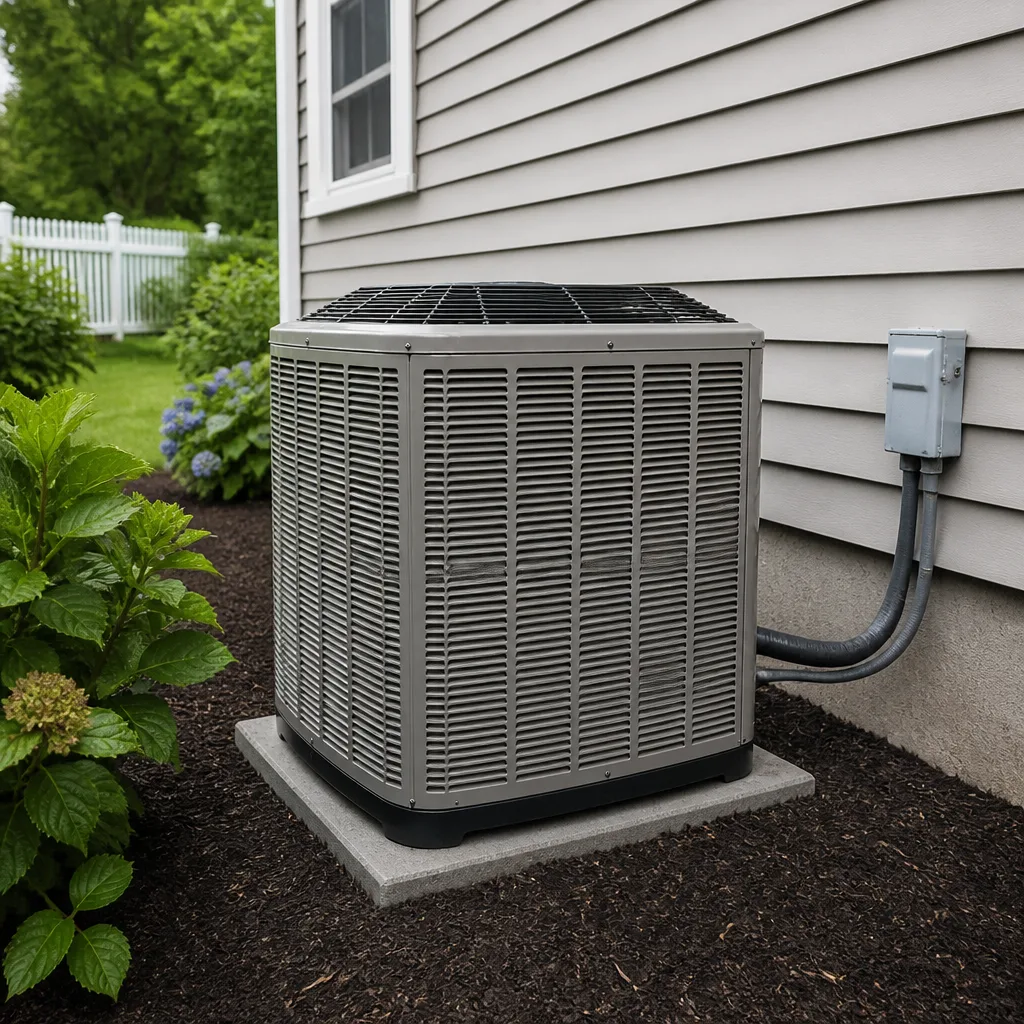 AC repair
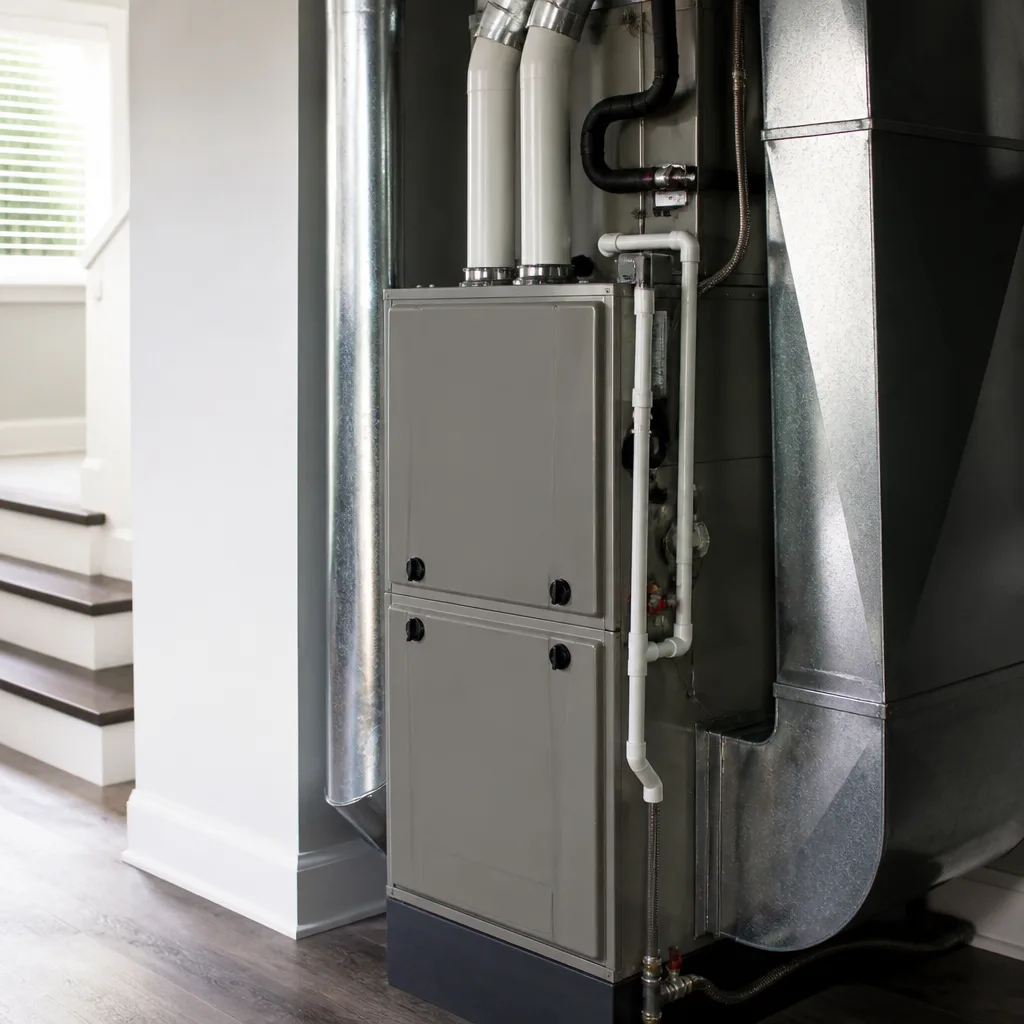 Furnace & heating
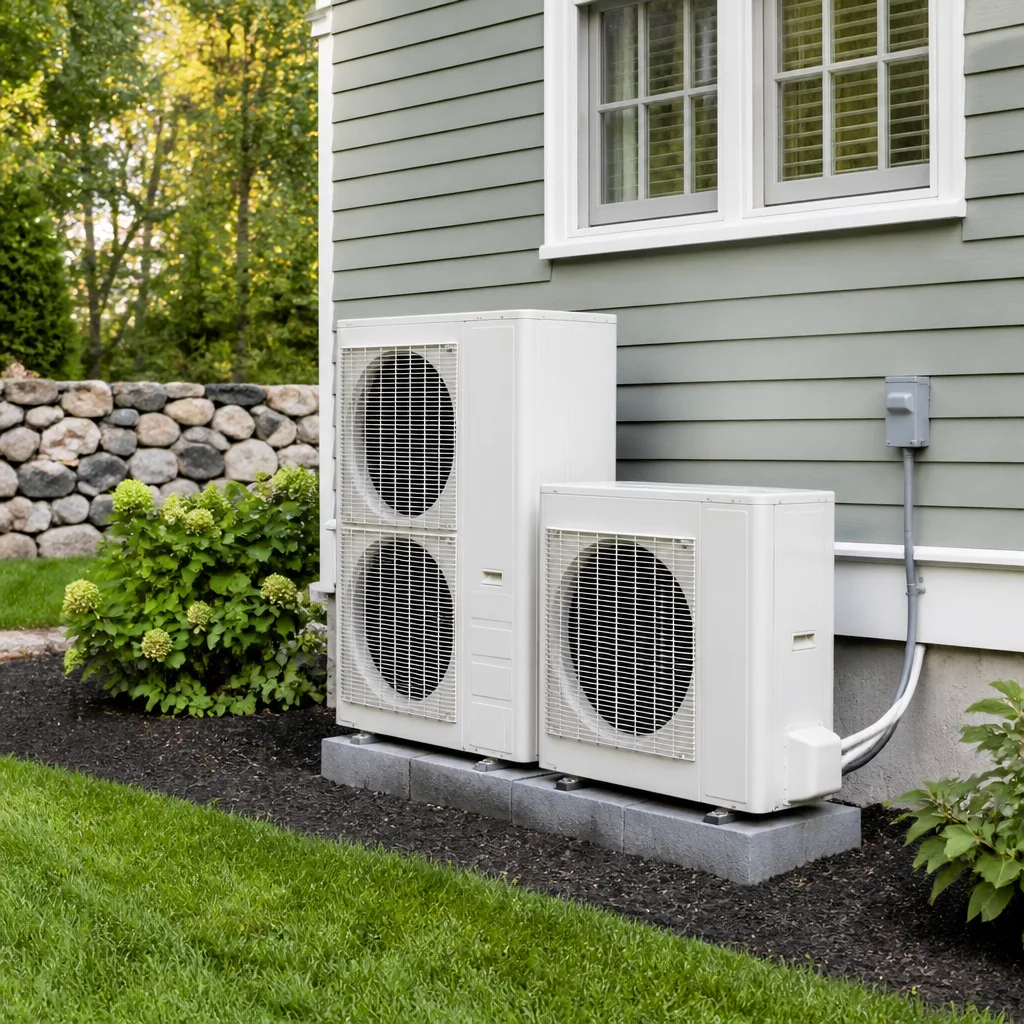 Heat pumps
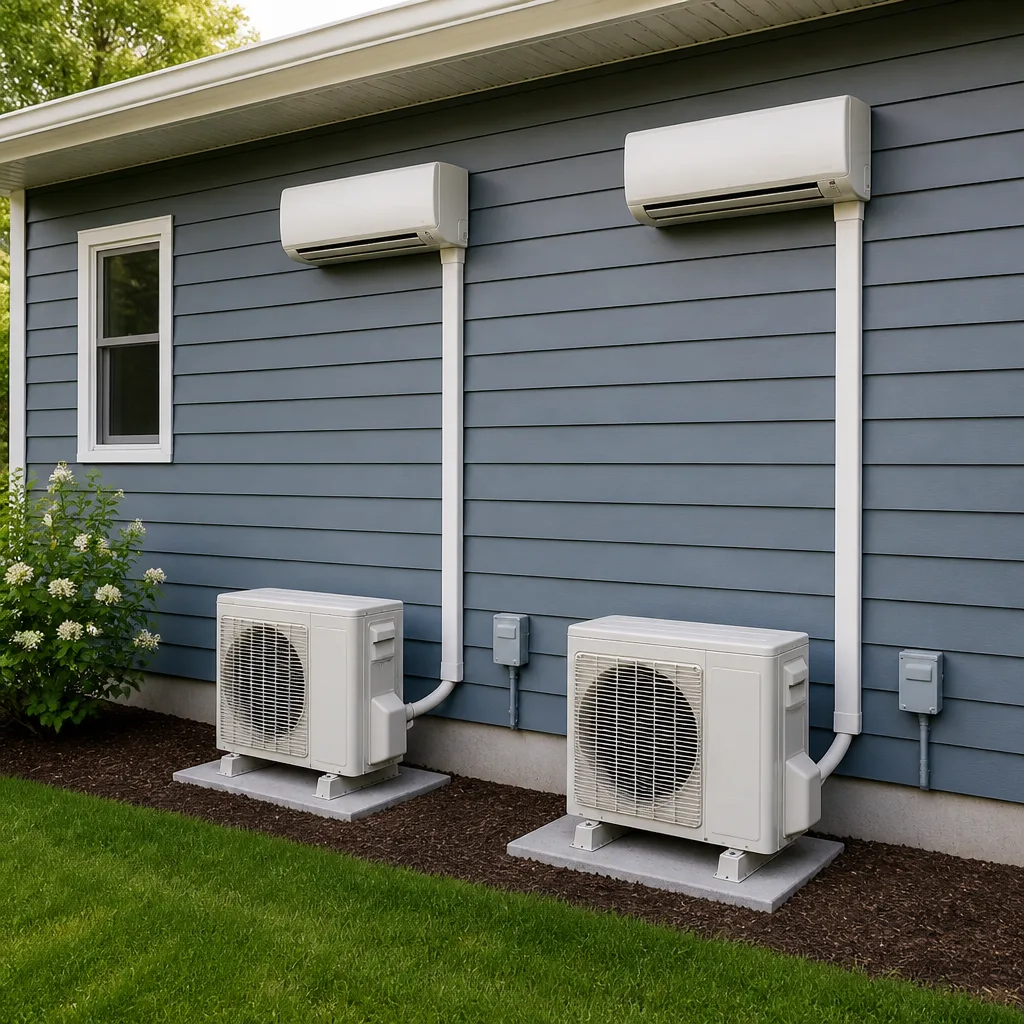 Ductless mini splits
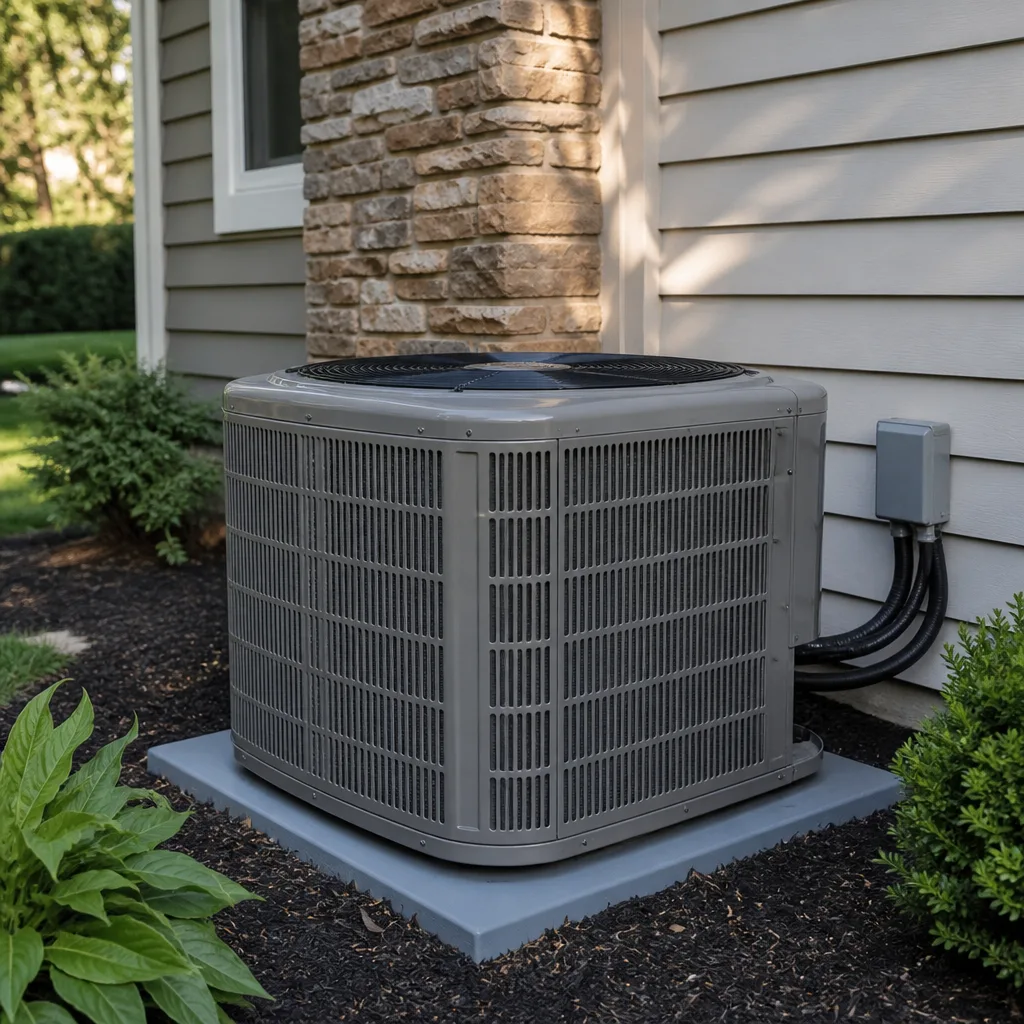 Carrier
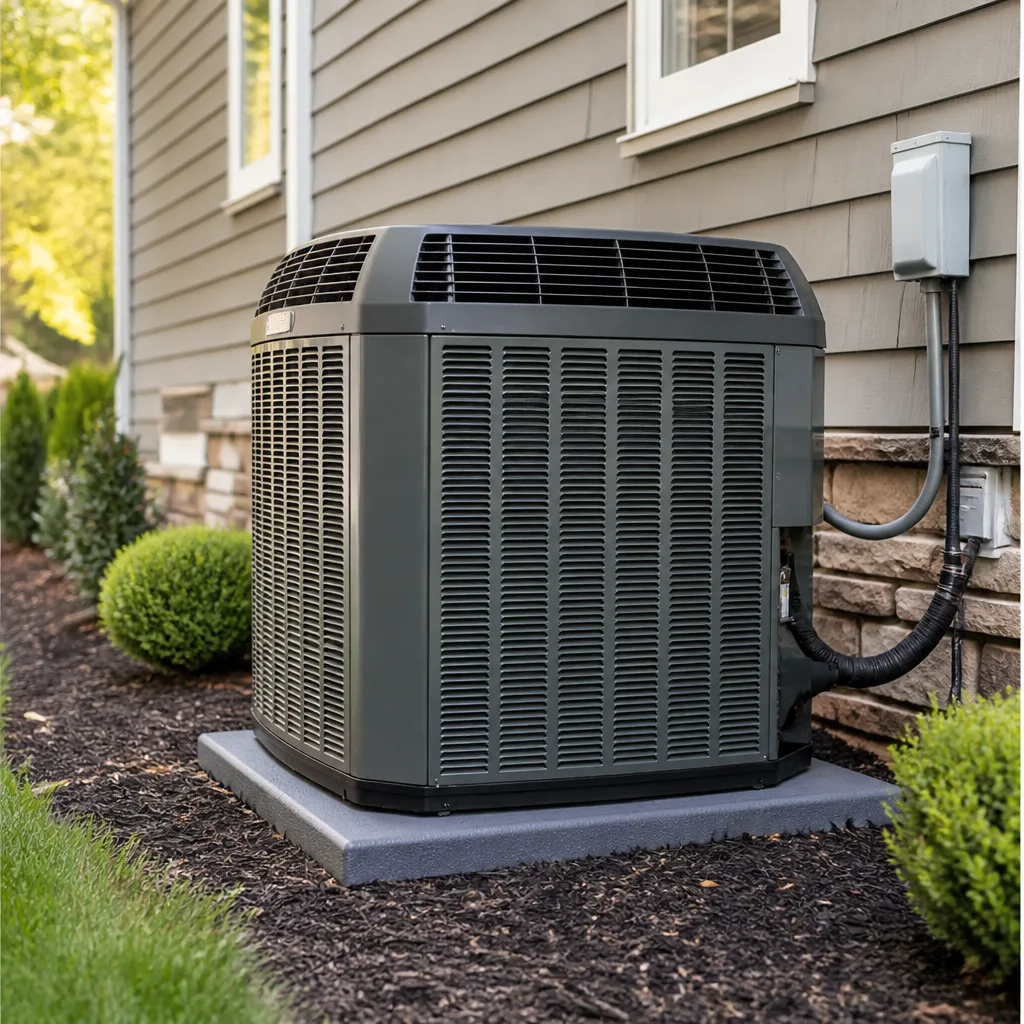 Trane
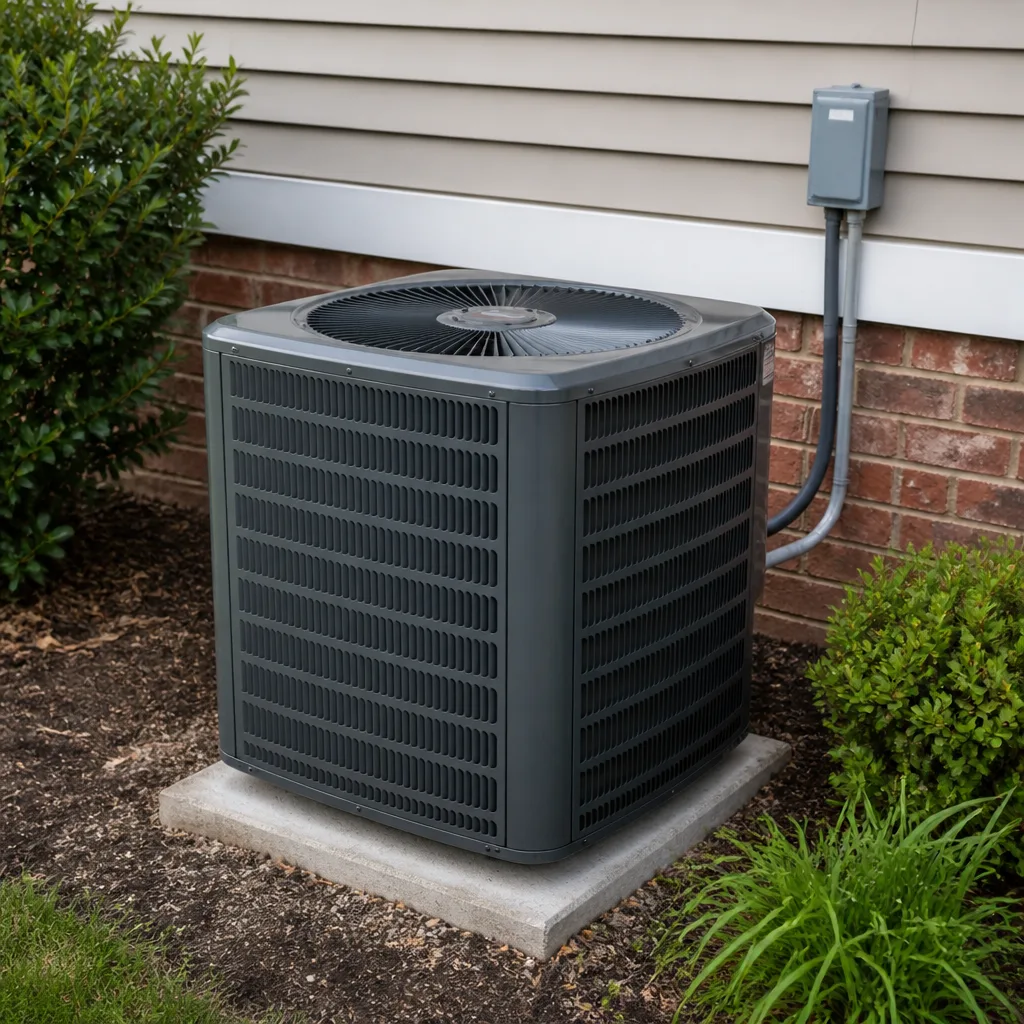 Goodman
Seasonal tune-up and full diagnostic on your Carrier, Trane, or Goodman system - readings shown to you before any repair is proposed
Diagnosis first, numbers second - you approve the repair price before a single part goes in.
Get your free estimateHVAC Emergency Preparedness Guide for Hialeah Homes
Most homeowners treat an AC failure as a repair problem. In Hialeah it can become a heat problem first. On a July afternoon, an occupied home without working air conditioning can climb into dangerous territory within about four hours, which is the same kind of threshold FEMA uses when it declares a heat emergency. Elderly residents, infants, and anyone with heart or lung conditions are the ones at real risk, and the danger arrives faster than most people expect. This guide covers the first two hours, what to check before you call, how to keep the house livable while you wait, and how to make a clear-headed repair-or-replace call. It’s written for Hialeah homes specifically, because the climate here shapes the problem.
Quick Answer
An HVAC emergency in Hialeah is a heat-safety event first and a repair second. Your job in the first two hours is to rule out three simple causes (a tripped breaker, a thermostat set wrong, or a clogged condensate drain tripping the float switch), drop the indoor heat load by closing blinds and cutting appliance use, and call for service with your equipment details ready. Call (866) 806-7345. We answer 24/7. Fast dispatch from 7am to 7pm, Sunday through Friday.
Styles & brands we work with
- AC repair
- Furnace & heating
- Heat pumps
- Ductless mini splits
- Carrier
- Trane
- Goodman
Table of Contents
- The First Two Hours: A Triage Protocol
- How to Safely Reduce Indoor Heat Load While You Wait
- What to Have Ready When You Call
- Hurricane Season: Shutting Down and Restarting Your System
- Repair or Replace? Deciding Without Time Pressure
- Why Brand Knowledge Matters in an Emergency
- Pre-Season Checks That Prevent Most Emergencies
- Common Mistakes to Avoid
The First Two Hours: A Triage Protocol
Before you pick up the phone, there are a few things worth checking. They’re safe, they take about ten minutes, and in our experience they explain a meaningful share of “the AC died” calls. What you’re doing is ruling out causes that don’t need a technician, then calling with a clearer picture if the problem is real.
- Check the breaker. Go to your panel and look for a tripped air handler or condenser breaker. If it’s tripped, reset it once and listen. If it trips again immediately, stop there. A breaker that keeps tripping points to a real electrical fault, and repeated resets can damage the compressor. Leave it off and call.
- Verify the thermostat is actually calling for cooling. Confirm it’s set to COOL (not FAN or HEAT), the setpoint is below room temperature, and the display has fresh batteries if it runs on them. A thermostat stuck on “fan only” will blow room-temperature air and look like a total failure when it isn’t.
- Check the air filter. A filter packed solid with dust chokes airflow and can ice the coil or trip a safety switch. Pull it, look through it toward a light, and replace it if you can’t see through it.
- Look at the condensate float switch. Hialeah’s humidity means drain lines fill and clog faster than in drier climates. Most air handlers have a float switch in the drain pan that shuts the system down when water backs up. If the pan holds standing water, that switch is likely the reason the system won’t run. Don’t bail and restart it repeatedly; the clog needs clearing, and that’s a technician job.
If none of these resolves the problem, you have a genuine service call, and you’ve already narrowed the possibilities. That’s a faster diagnosis and a shorter visit.
How to Safely Reduce Indoor Heat Load While You Wait
Keeping the house from heating up is as important as getting the system fixed. The goal is to cut the heat coming in and stop adding heat from inside.
- Close blinds and curtains on sun-facing windows. In Hialeah, afternoon sun on west-facing glass is the biggest single heat source in most homes. Blocking it can make a real difference within an hour.
- Manage doors deliberately. Keep exterior doors closed. Inside, close off rooms you aren’t using so the cooler air you do have concentrates where people are. If you have a window unit or portable unit, put everyone in that one room.
- Shut off heat-producing appliances. Skip the oven and stove, run the dishwasher and laundry later, and turn off unnecessary electronics and lights. Every watt you don’t use is heat you don’t have to remove.
- Use fans for air movement, not cooling. Ceiling and box fans don’t lower temperature, but moving air helps people feel cooler and helps sweat evaporate. Don’t point a fan at someone who can’t regulate their own temperature well; check on them instead.
- Watch the vulnerable. Check on elderly neighbors, infants, and anyone with medical conditions. Signs of heat stress include confusion, dizziness, nausea, and stopped sweating. If someone shows those signs, that’s a medical emergency, not an HVAC one.
One thing not to do: never open windows to “let heat out” during a Hialeah summer afternoon. Outdoor air is hotter and more humid than indoor air, and you’ll make the house worse.
What to Have Ready When You Call
A technician who knows your equipment before arriving fixes it faster. Here’s what to gather before you dial.
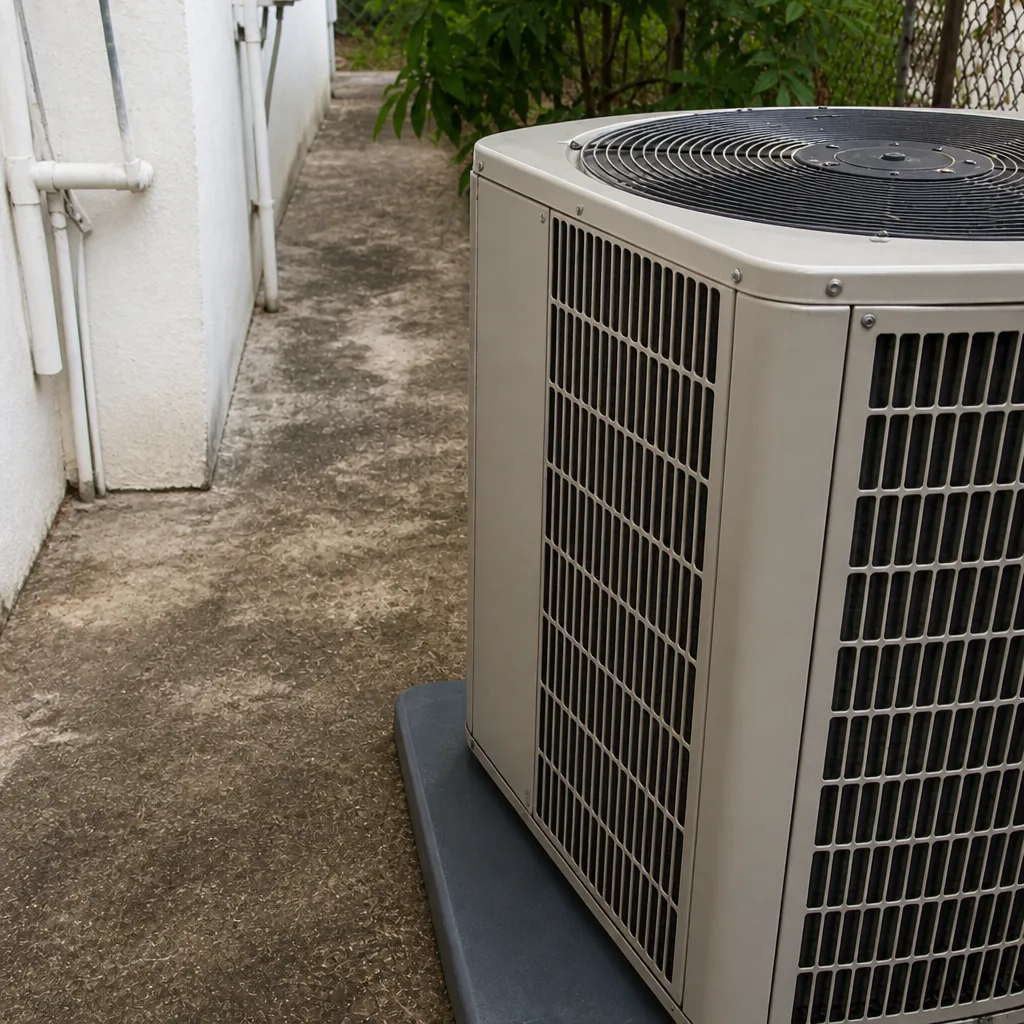
- Your model and serial numbers. They’re on a metal data plate on the outdoor condenser unit, usually on the side panel, and on the indoor air handler as well. A photo of each plate is faster than reading numbers over the phone.
- The brand. Knowing it’s a Carrier, Daikin, or Bryant unit tells the technician which parts family and control board they’re dealing with before they leave.
- A clear symptom description. “Blowing warm air,” “runs for two minutes then stops,” “outdoor unit is silent but indoor fan runs,” “ice on the copper line” all point different directions. Specific is better than “it’s broken.”
- The approximate age of the equipment. Even a rough number changes the repair-versus-replace conversation.
- What you’ve already checked. If you reset a breaker or cleared a filter, say so. It saves duplicate work.
Call (866) 806-7345. We answer 24/7. Fast dispatch from 7am to 7pm, Sunday through Friday. A call outside dispatch hours is booked into the next opening, Sunday through Friday, 7am to 7pm. Our technicians have up to 10 years of experience, and with nine brands under our belt, the unit you describe is one we already know.
Hurricane Season: Shutting Down and Restarting Your System
Storm preparation for HVAC equipment is mostly about protecting the system from water and surge, and restarting it in the right order once power returns. Getting this wrong can turn a working system into a dead one.
Before the storm
- Turn the system off at the thermostat and, if you can safely reach it, at the disconnect box next to the outdoor unit. A unit that’s off when power fails is a unit that won’t be cycling during brownouts and surges.
- Clear the area around the outdoor condenser. Loose debris becomes a projectile in high wind, and the coil fins are easy to bend.
- Secure or remove anything that could strike the outdoor unit, including patio furniture and loose fencing.
- If flooding is a risk in your area, know that the air handler and its electrical components typically sit at or near floor level in a closet or garage. Water contact means don’t energize it until it’s been inspected.
After power returns
- Wait before turning anything on. Give the power a few minutes to stabilize. Don’t flip the system on the second the lights come back.
- Check for visible damage or water intrusion around the outdoor unit and the indoor air handler before energizing anything. If either has been submerged or is sitting in water, keep it off and call.
- Reset the thermostat and switch the disconnect back on, outdoor unit first if you have separate disconnects, then call for cooling at the thermostat.
- Listen and watch for a few minutes. If the outdoor unit hums without starting, trips the breaker, or the indoor unit runs but the outdoor unit stays silent, shut it down and call. A compressor that’s struggling after a surge needs diagnosis, not repeated attempts.
If your system won’t restart cleanly after a storm, that’s a call worth making. Call (866) 806-7345. We answer 24/7. Fast dispatch from 7am to 7pm, Sunday through Friday.
Repair or Replace? Deciding Without Time Pressure
Emergency quotes are the worst time to make a replacement decision, because heat pushes people toward the fastest answer. The better approach is to understand the decision before the emergency happens, so you can evaluate any quote calmly. Whether you’re looking at furnace repair in the cooler months or an AC failure in July, the logic is the same.
We perform both repair and replacement, so we have no stake in steering you one way. That’s the point. Here’s how we think about it:
- Age and history. An older system with a pattern of repairs is a different situation than a five-year-old unit with one failed capacitor. Ask for the repair history and what it suggests.
- The nature of the failure. A failed capacitor, contactor, or blower motor is a repair. A failed compressor or a leaking coil on aging equipment is where replacement starts entering the conversation.
- Cost relative to replacement. When a single repair approaches a significant fraction of what a new system costs, and the equipment is already near the end of its service life, replacement deserves a fair look. A written estimate in both directions makes that comparison honest.
- Efficiency and comfort. If your system is struggling to keep up in Hialeah summers and your energy bills reflect it, a newer, properly sized system can be a real improvement, not just a sales pitch.
If replacement is the right answer, AC installation is where the sizing and equipment selection happen, and we compare options across multiple manufacturers rather than steering you to one line. If you’re in Hialeah and want to think this through before you’re in an emergency, that’s a conversation worth having.
Why Brand Knowledge Matters in an Emergency
In an emergency, the technician’s familiarity with your equipment is the difference between a diagnosis and a guessing game. Every major brand has its own control boards, error codes, component layouts, and quirks. A technician who works across many brands arrives knowing how yours is built.
We work on nine: Carrier, Trane, Lennox, Goodman, Rheem, York, Daikin, Bryant, and American Standard. When you call, tell us the brand and the model number, and the technician already has a mental picture of the unit before the truck is loaded. That’s what we mean by knowing the unit before we arrive. It also means we’re not teaching ourselves on your equipment in a heat emergency.
And because we’re brand-agnostic, our equipment recommendations come from your home’s size, your efficiency goals, and your budget, not from a dealership agreement. The right answer, not the expensive one.
Pre-Season Checks That Prevent Most Emergencies
Most emergency calls we see start with something that could have been caught earlier. A little preparation before the heat arrives goes a long way in Hialeah.
- Change the filter on a schedule. Hialeah’s dust and pollen load means filters clog faster than in drier climates. Check it monthly during heavy-use months.
- Pour a little water down the condensate drain to check it’s flowing, and keep an eye on the drain pan for standing water. A clear drain avoids a lot of float-switch shutdowns.
- Keep the outdoor unit clear. Clear vegetation and debris from around the condenser so it can reject heat. Two feet of clearance is a common rule of thumb.
- Have the system checked before the hot season. A tune-up finds weak capacitors, dirty coils, and failing components before they strand you in a July heat wave.
- Know your equipment. Take photos of both data plates now and keep them on your phone. It saves time when you need a part or a quote.
If you haven’t had a check yet this year, it’s a small investment against a much bigger problem.
Common Mistakes to Avoid
- Resetting a breaker over and over. If a breaker trips repeatedly, it’s telling you something. Repeated resets risk compressor damage and ignore a real fault.
- Opening windows during a summer afternoon. It feels instinctive, but Hialeah outdoor air is hotter and more humid than indoor air. You’re making the house worse.
- Pushing a clogged drain back into service. Bailing the pan and restarting doesn’t fix the clog, and the float will trip again. The clog needs clearing.
- Energizing a system that took on water after a storm. Even if it looks dry, an air handler that got wet needs inspection before it’s powered up. This is an electrical safety issue.
- Making a replacement decision in a heat panic. The fastest quote isn’t always the right one. Understand repair-versus-replace before the emergency so you can judge a quote clearly.
- Chasing a thermostat setting that isn’t cooling. If the thermostat is set correctly and the system still blows warm air, fiddling with it won’t help. Diagnose the actual equipment problem.
- Assuming brand knowledge is optional. A generalist learning your unfamiliar brand on the job is an expensive way to diagnose. Ask whether the technician knows your specific equipment.
See the difference
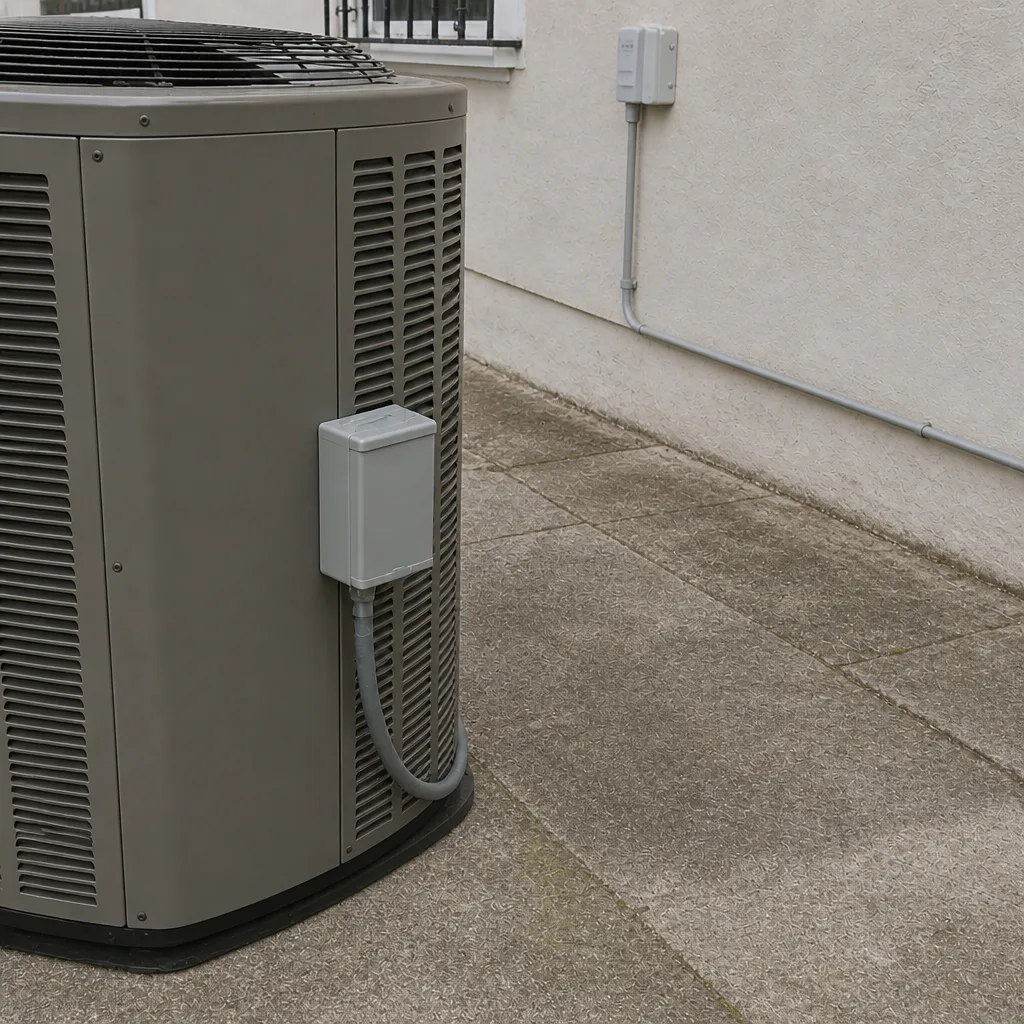
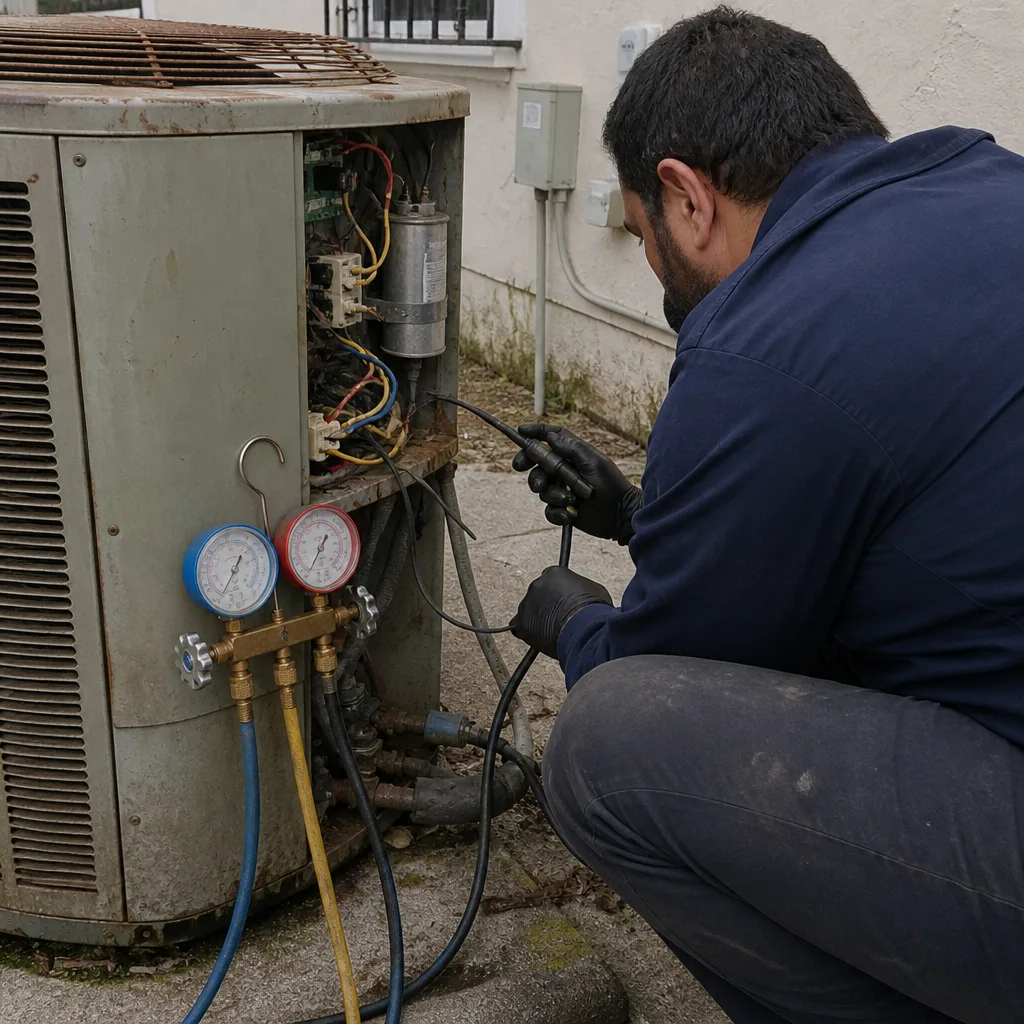 Before
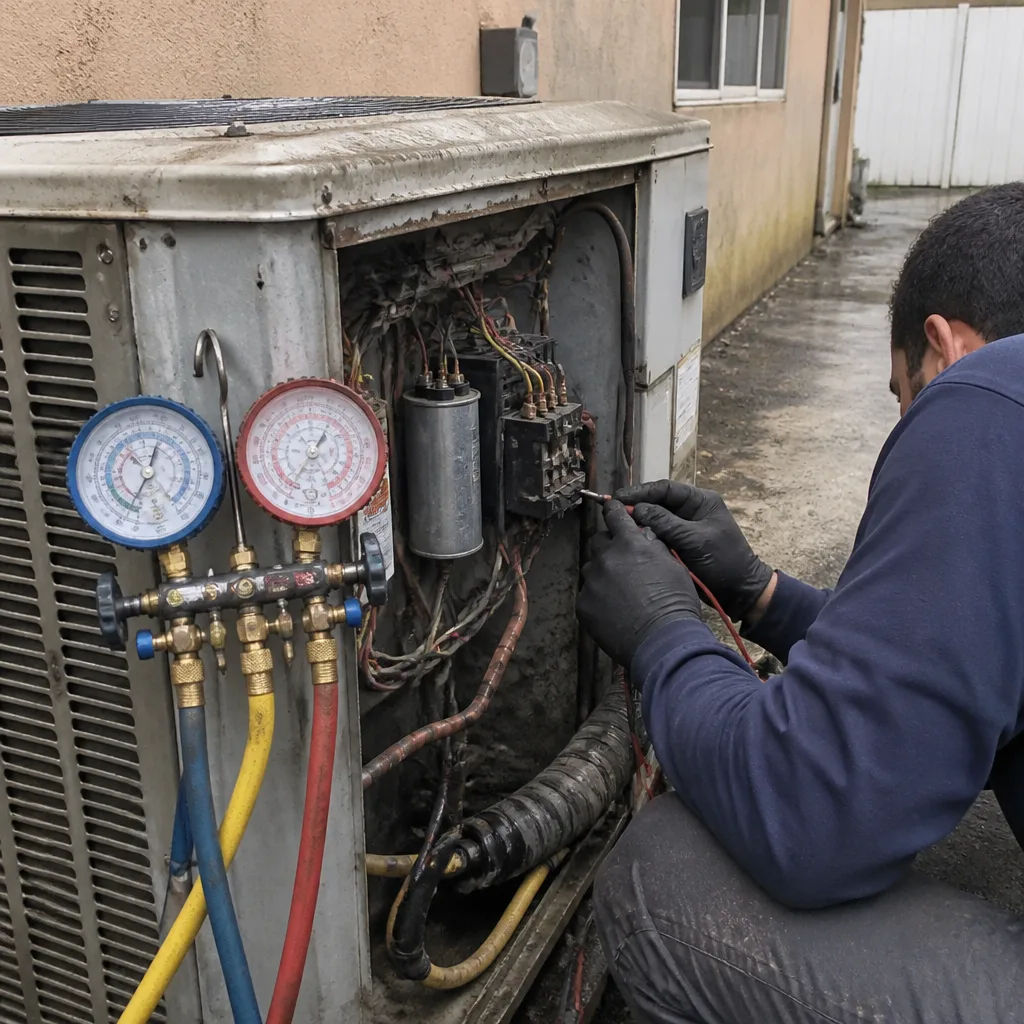
 After
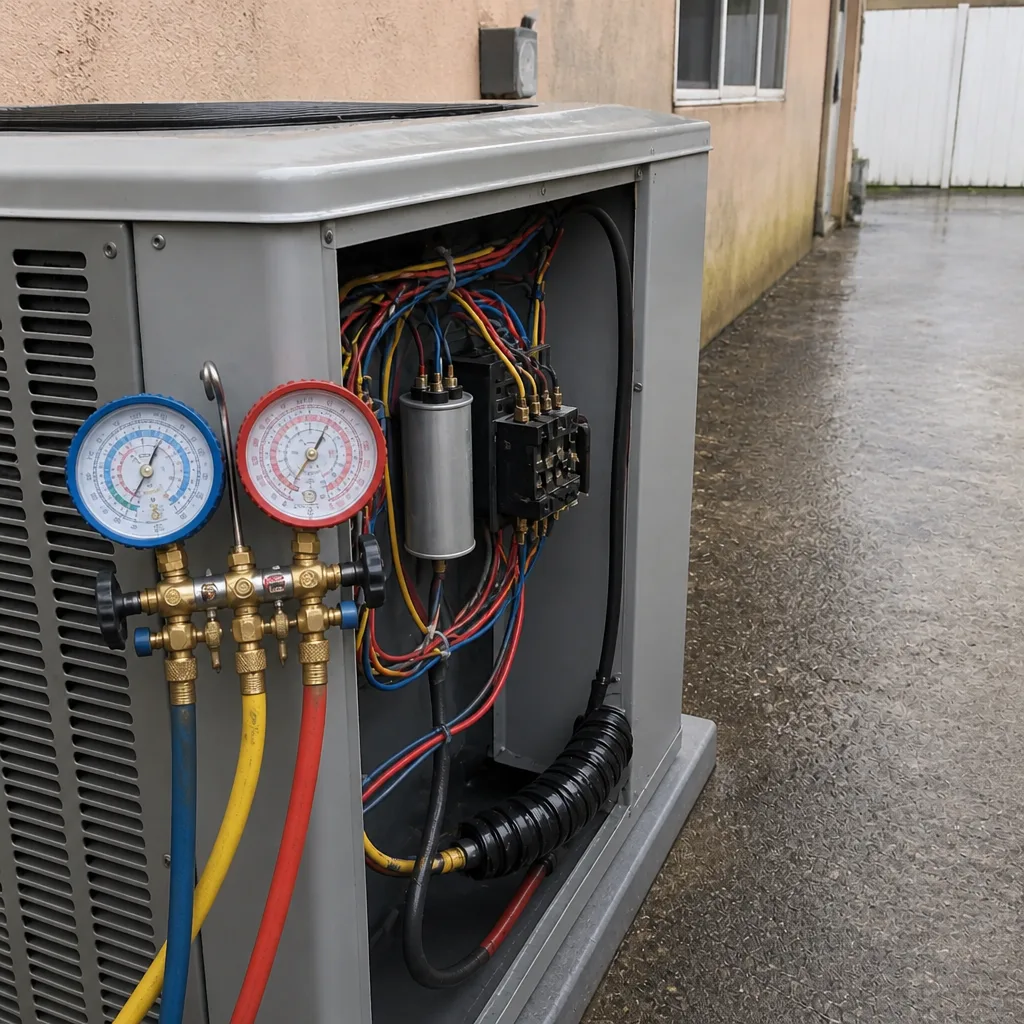
 Before
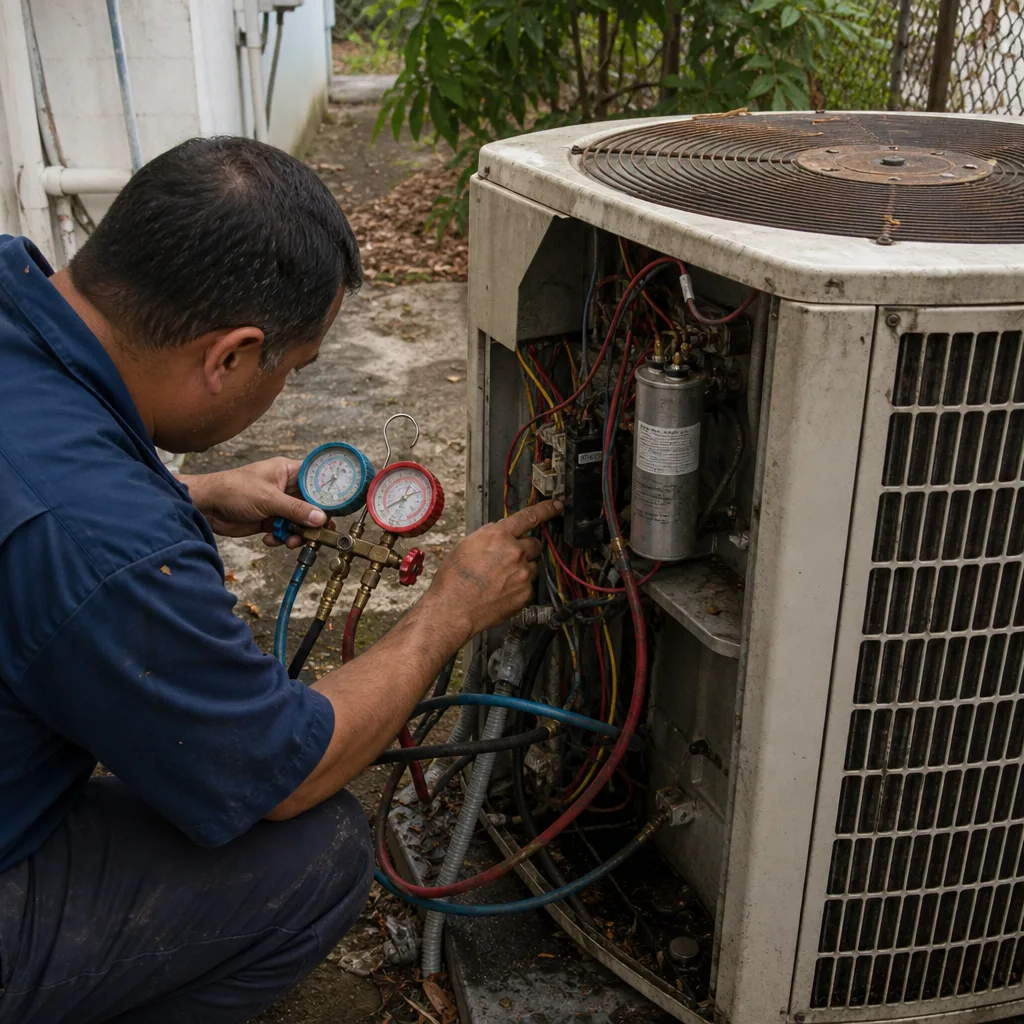
 After
 Before
 After
When to Call a Professional
Some problems are homeowner-fixable, others are not. Call a professional if the breaker trips repeatedly after a single reset, if the outdoor unit hums without starting, if the thermostat is set correctly and the air is still warm, if there’s ice on the refrigerant lines, if the condensate pan won’t stay clear, or if the system took on water during a storm. Call immediately if anyone in the home is elderly, an infant, or has a medical condition that heat makes dangerous, because that’s a safety situation that can escalate within hours. Our technicians have up to 10 years of experience across Carrier, Daikin, Bryant, and American Standard equipment, and we diagnose before we recommend. Call (866) 806-7345. We answer 24/7. Fast dispatch from 7am to 7pm, Sunday through Friday. A free estimate is available in Hialeah and surrounding areas.
Frequently Asked Questions
In an occupied home on a peak summer afternoon, indoor temperatures can climb to dangerous levels within about four hours, the same kind of threshold FEMA uses for heat emergency declarations. Elderly residents, infants, and people with medical conditions are at the highest risk. Treat an AC failure in extreme heat as a safety event, not just a comfort issue. If you’re in a home with vulnerable people, call (866) 806-7345 for an exact quote; estimates are free.
Check the breaker for a trip, confirm the thermostat is set to COOL with the setpoint below room temperature, look at the air filter, and check the condensate float switch and drain pan. In our experience these explain a lot of failed-cooling calls. If none resolves the problem, you have a genuine service call and a clearer story for the technician. Call (866) 806-7345; estimates are free.
Same-day service is available, and our phone line is answered 24/7. Fast dispatch runs from 7am to 7pm, Sunday through Friday; a call outside those hours is booked into the next opening, Sunday through Friday. Call (866) 806-7345 for an exact quote; estimates are free.
Before a storm, turn the system off at the thermostat and at the outdoor disconnect if you can reach it safely, and clear debris from around the condenser. After power returns, wait a few minutes for it to stabilize, check for water intrusion, then power the outdoor unit first if you have separate disconnects. If anything hums without starting or trips a breaker, shut it off and call. Call (866) 806-7345 for an exact quote; estimates are free.
Age, repair history, and the nature of the failure tell you which way to go. A failed capacitor or blower motor is a repair; a failed compressor on aging equipment is where replacement enters the conversation. We perform both, so the recommendation follows what the equipment needs, not which service pays more. Call (866) 806-7345 for an exact quote; estimates are free.
Ask directly, and tell them the brand and model number when you call. We work on nine brands: Carrier, Trane, Lennox, Goodman, Rheem, York, Daikin, Bryant, and American Standard. Our technicians have up to 10 years of experience, so the unit is one they already know before they arrive. Call (866) 806-7345; estimates are free.
The Bottom Line
An HVAC failure in Hialeah is a heat-safety event before it’s a repair. The first two hours matter most: rule out the simple causes, drop the indoor heat load, and check on the people most at risk. Have your model and serial numbers and a clear symptom description ready so the technician can diagnose from the first visit. Know your repair-versus-replace logic before the emergency so you can judge a quote calmly. And prepare for hurricane season by shutting the system down before the storm and restarting it in the right order afterward. That’s what preparedness looks like here.
If you need help or a free written estimate on a repair or replacement, Banner AC Repair is here for Hialeah homeowners. We work across nine brands, we repair and replace both AC and heating under one team, and we make recommendations based on what your equipment actually needs. Call (866) 806-7345 for a free estimate. We answer 24/7. Fast dispatch from 7am to 7pm, Sunday through Friday.
Written by the team at Banner AC Repair.