
Last updated November 15, 2026
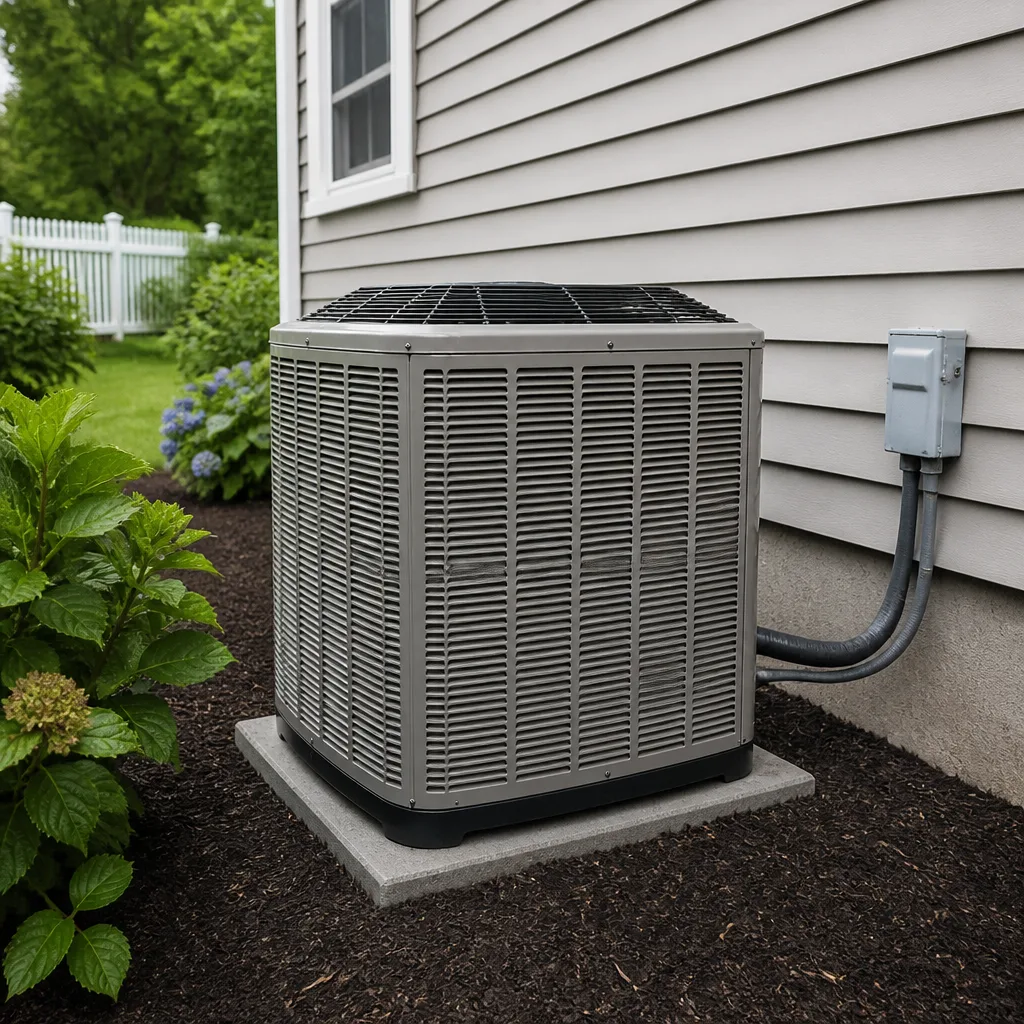 AC repair
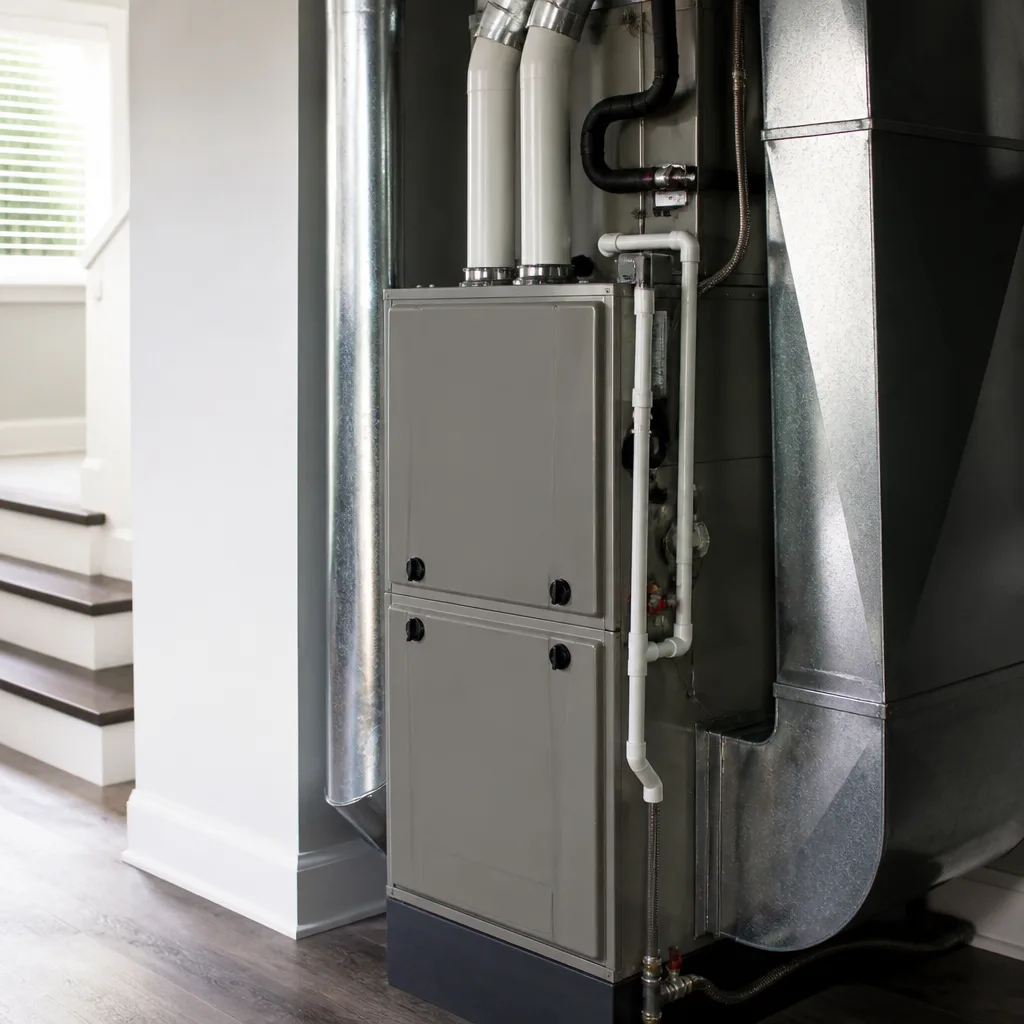 Furnace & heating
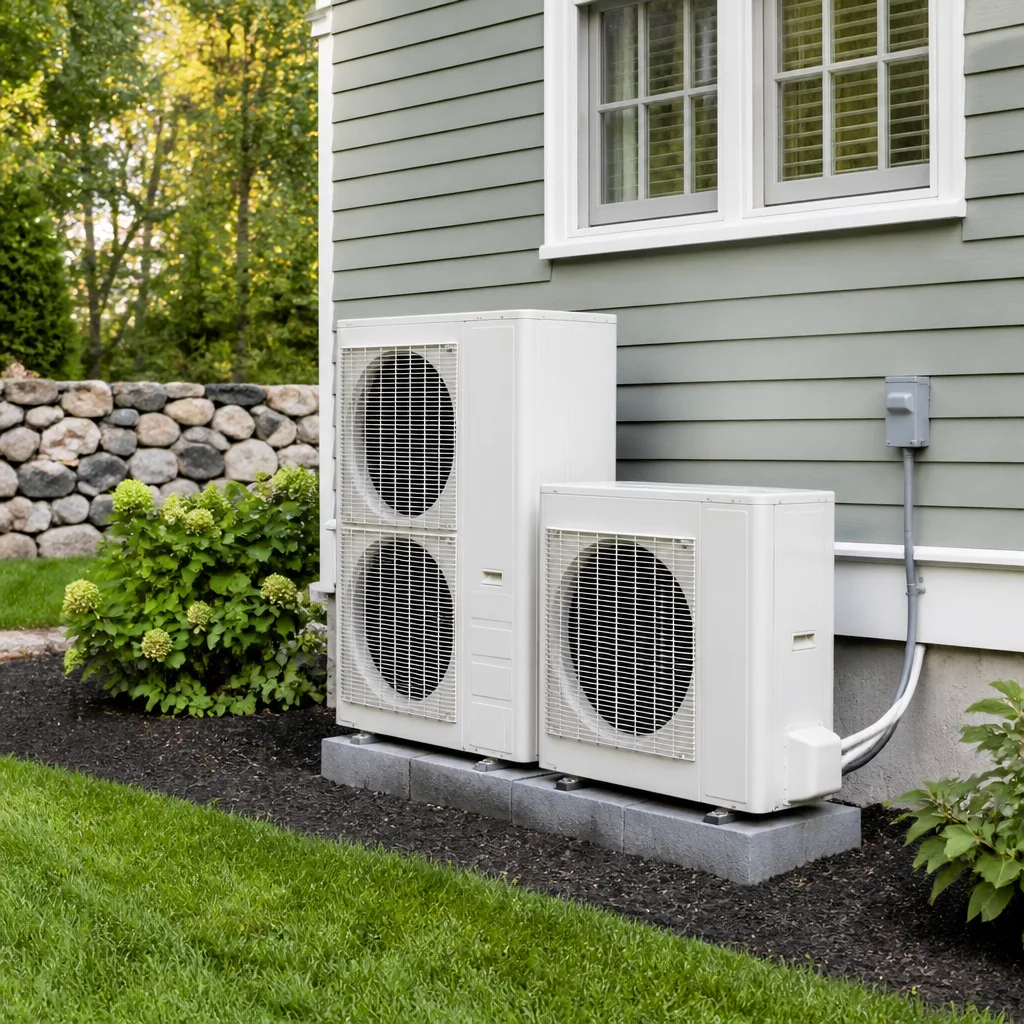 Heat pumps
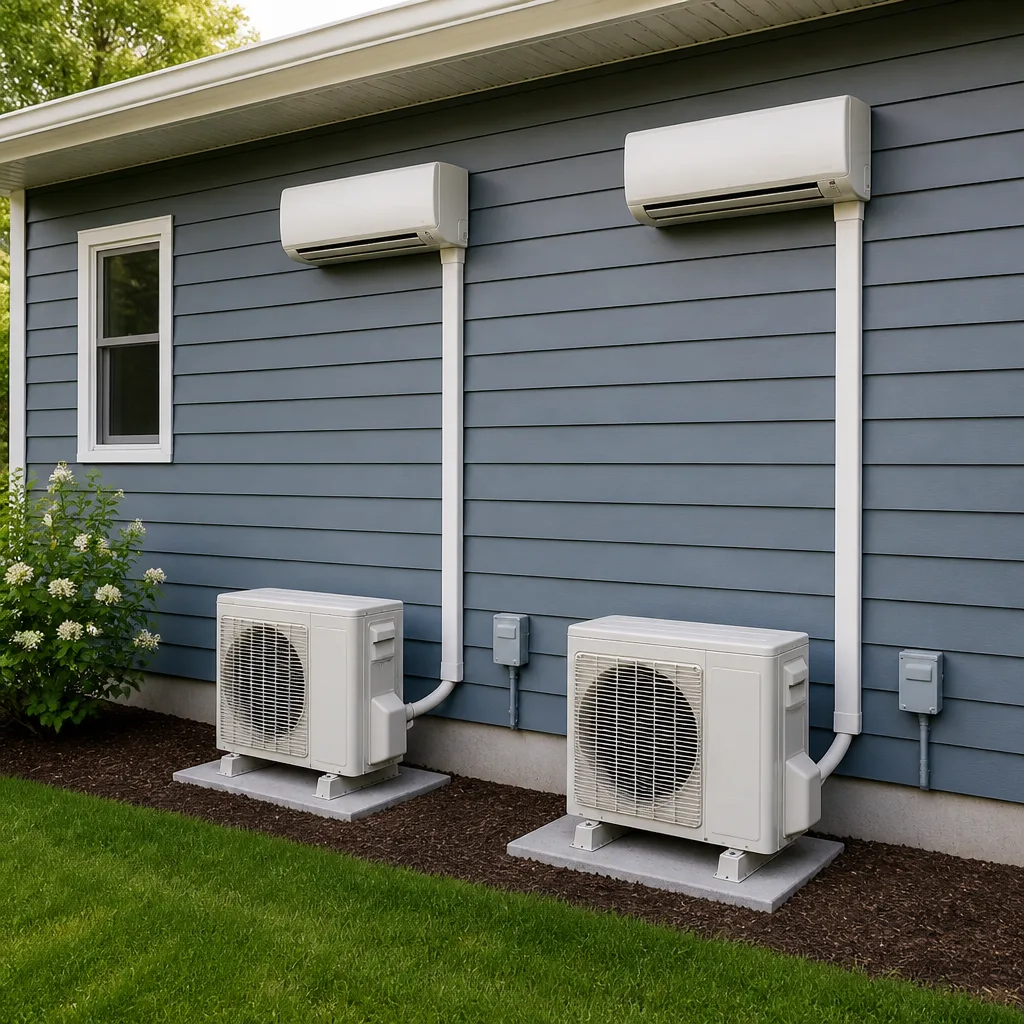 Ductless mini splits
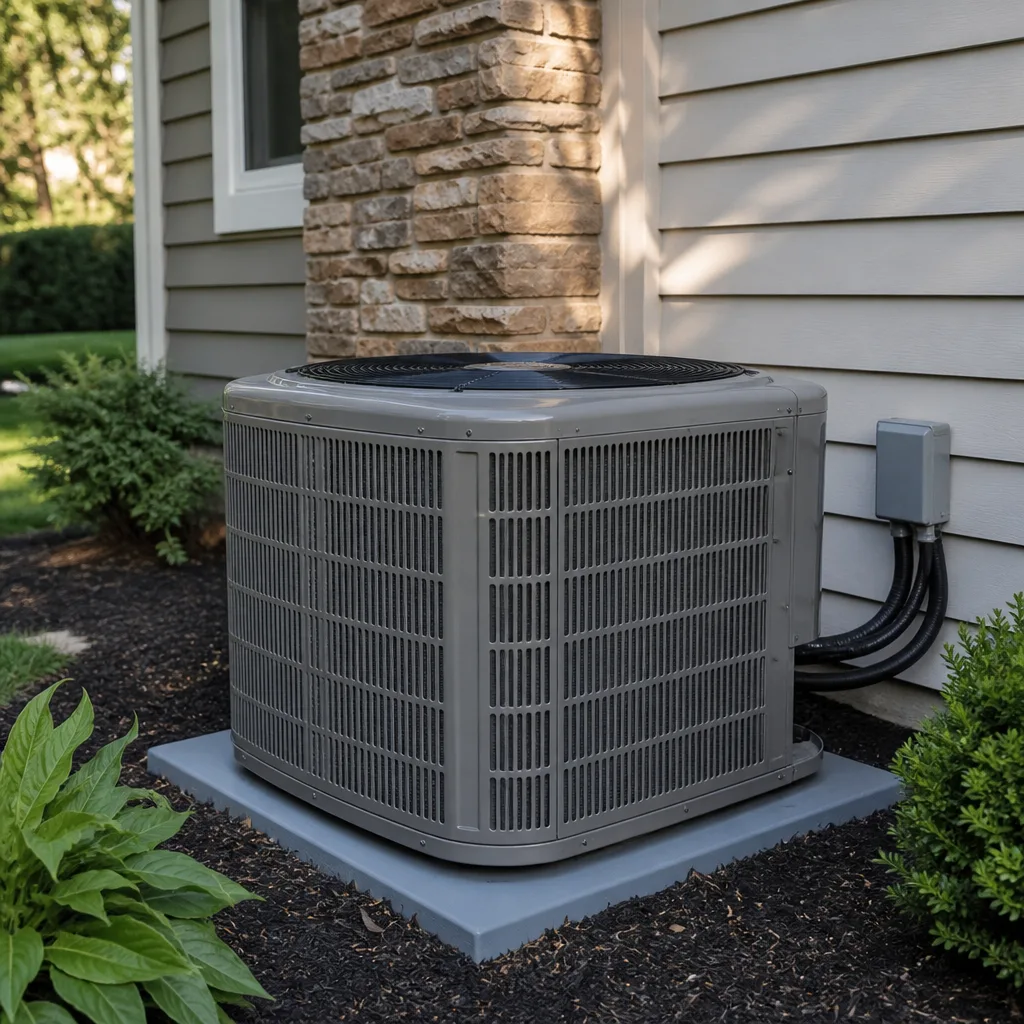 Carrier
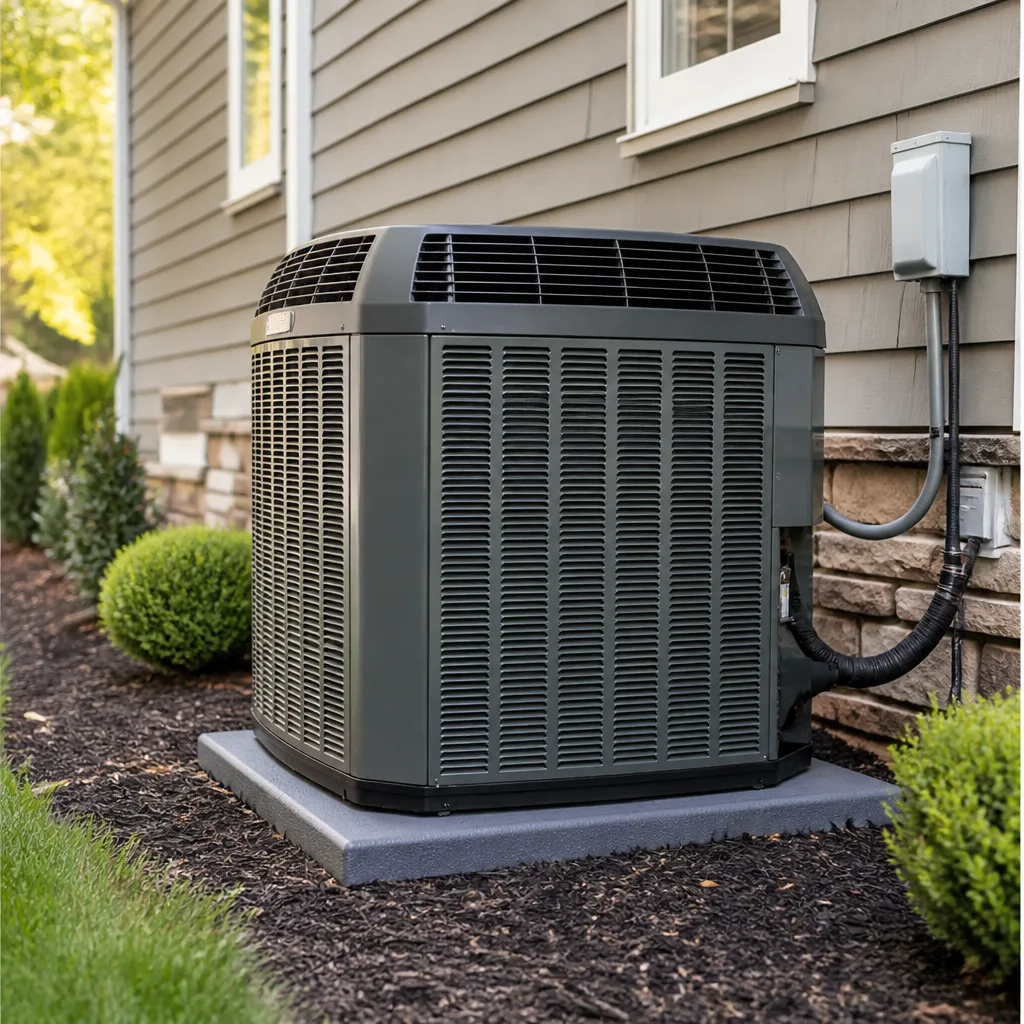 Trane
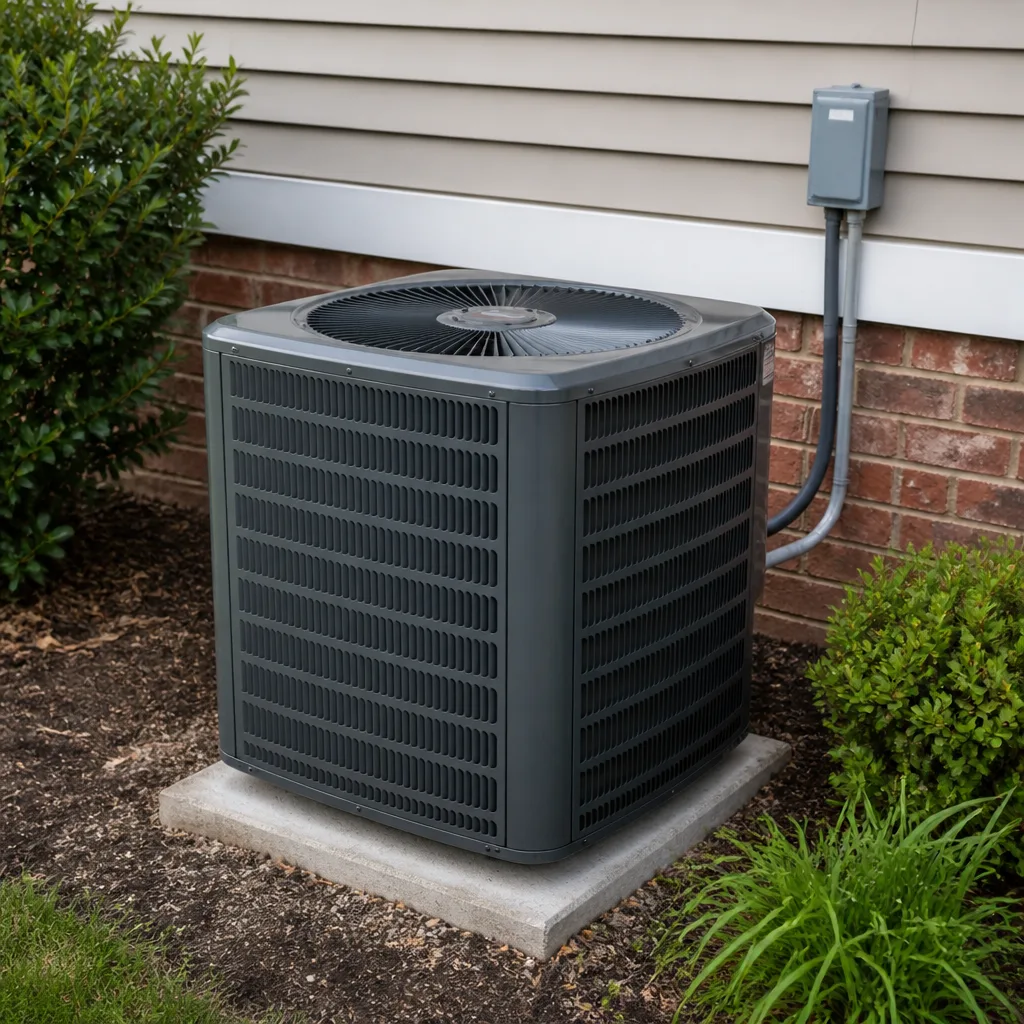 Goodman
Seasonal tune-up and full diagnostic on your Carrier, Trane, or Goodman system - readings shown to you before any repair is proposed
Diagnosis first, numbers second - you approve the repair price before a single part goes in.
Get your free estimateSeasonal HVAC Care for Hialeah: Year-Round Homeowner’s Guide
Most HVAC maintenance advice you’ll find online was written for a climate that gets four seasons. Hialeah doesn’t. We get an eight-month cooling siege and a short shoulder period in between, and the calendar that matters here is built around that reality, not around preparing for snow. Scheduling HVAC maintenance in October in Hialeah isn’t about getting ready for winter – it’s the one window you get to address the wear from a long, humid summer before the next cooling season rolls back around. In this guide, we’ll walk through exactly what your system needs in each phase of the year, what you can reasonably check yourself, and when it’s time to have a trained technician put eyes and gauges on the equipment.
Quick Answer
Seasonal HVAC care in Hialeah runs on two cycles, not four: a long cooling season from roughly June through September and a recovery-and-prep window from October through April. The most important tasks are a deep coil and condensate inspection in October and November while temperatures still allow accurate refrigerant readings, a furnace and heat strip check in December and February, and a pre-season tune-up in March and April before the first 90°F days arrive. Humidity control, filter changes, and drain-line flow checks matter more here than furnace maintenance in most years.
Styles & brands we work with
- AC repair
- Furnace & heating
- Heat pumps
- Ductless mini splits
- Carrier
- Trane
- Goodman
Table of Contents
- Why Hialeah’s HVAC Calendar Looks Nothing Like the Rest of the Country
- October – November: The Post-Summer Recovery Window
- December – February: Furnace Startup and Heat Strip Realities
- March – April: The Pre-Season Checklist Before the First 90°F Days
- June – September: In-Season Monitoring You Can Do Yourself
- How Hialeah’s Humidity Reshapes Indoor Air Quality Tasks
- What Brand-Agnostic Service Actually Means for Your Equipment
- Repair or Replace: Making the Call With the Right Information
Why Hialeah’s HVAC Calendar Looks Nothing Like the Rest of the Country
If you move to Hialeah from a northern state, the first thing you notice about HVAC advice is how much of it doesn’t apply. Northern guides spend chapters on winterizing, freeze protection, and the transition between heating and cooling. Here, your air conditioner carries the load for most of the year, and the “off season” is short enough that a deferred problem in September often becomes a crisis by April.
What that means practically: your HVAC system in Hialeah runs a high-hour schedule in a way that shortening the working life of components compared to milder climates. Capacitors, contactors, and fan motors accumulate runtime faster. Condensate lines handle far more moisture than anywhere with a dry summer. Coil grime builds up in the humid air, and if it isn’t cleaned, it reduces efficiency in a way you’ll feel in the electric bill before you feel it in the room temperature.
There’s also an indoor-air-quality dimension that most seasonal guides gloss right over. Hialeah’s humidity is high enough that a system which cools but doesn’t properly dehumidify can leave a home feeling clammy at 74°F while the thermostat reads fine. Mold and mildew in the drain pan and ductwork are genuine concerns when moisture sits. UV bulbs and dehumidistat calibration belong in your seasonal routine – not as an optional upsell, but as a legitimate maintenance item that northern calendars never mention.
In our experience, the homeowners who avoid summer breakdowns aren’t the ones who spend the most on service. They’re the ones who treat the shoulder months as a work window, not as downtime. The system that gets looked at in October is the one that quietly survives August.
October – November: The Post-Summer Recovery Window
October and November are the most valuable maintenance months on the Hialeah calendar, and that’s not an exaggeration. The system has just come off months of heavy runtime. Ambient temperatures are still warm enough that refrigerant pressures can be checked accurately, but cool enough that you’re not asking a technician to diagnose an overheating system at peak load. This is also when small issues from the summer are still small.
Here is what a thorough fall service should cover:
- Coil cleaning after peak cooling demand. The evaporator coil sits behind the filter and pulls moisture out of the air all summer. Fine dirt and biological growth accumulate on the fins, and that film is the single biggest cause of efficiency loss we find in Hialeah systems that “still work.” A wet cleaning restores the heat transfer and restores the dehumidification the coil was designed to do.
- Condensate pan and drain line inspection. In a humid climate, the drain pan holds standing water for months. If the pan is cracked, if the drain line is partially clogged with biological growth, or if the float switch has lost its sensitivity, you’re one summer away from a water-damage call. We check drain flow, pan condition, and the safety switch operation as part of any fall visit.
- Refrigerant pressure check while temperatures still allow accurate readings. Refrigerant diagnostics are only reliable within a certain ambient range. If you wait until January, the outdoor temperature may be too low for a proper reading on a standard split system. Doing the check in October or early November means you know whether the system is holding its charge before the next season starts.
- Capacitor and contactor inspection. These are inexpensive parts that fail predictably under heavy runtime. Testing them in the fall – not waiting for them to fail in July – is one of the highest-value checks a technician can perform on a Hialeah system.
- Filter and blower wheel review. A blower wheel that’s picked up debris over the season reduces airflow and puts extra load on the motor. A visual inspection and cleaning when needed protects the motor and keeps the system’s static pressure in range.
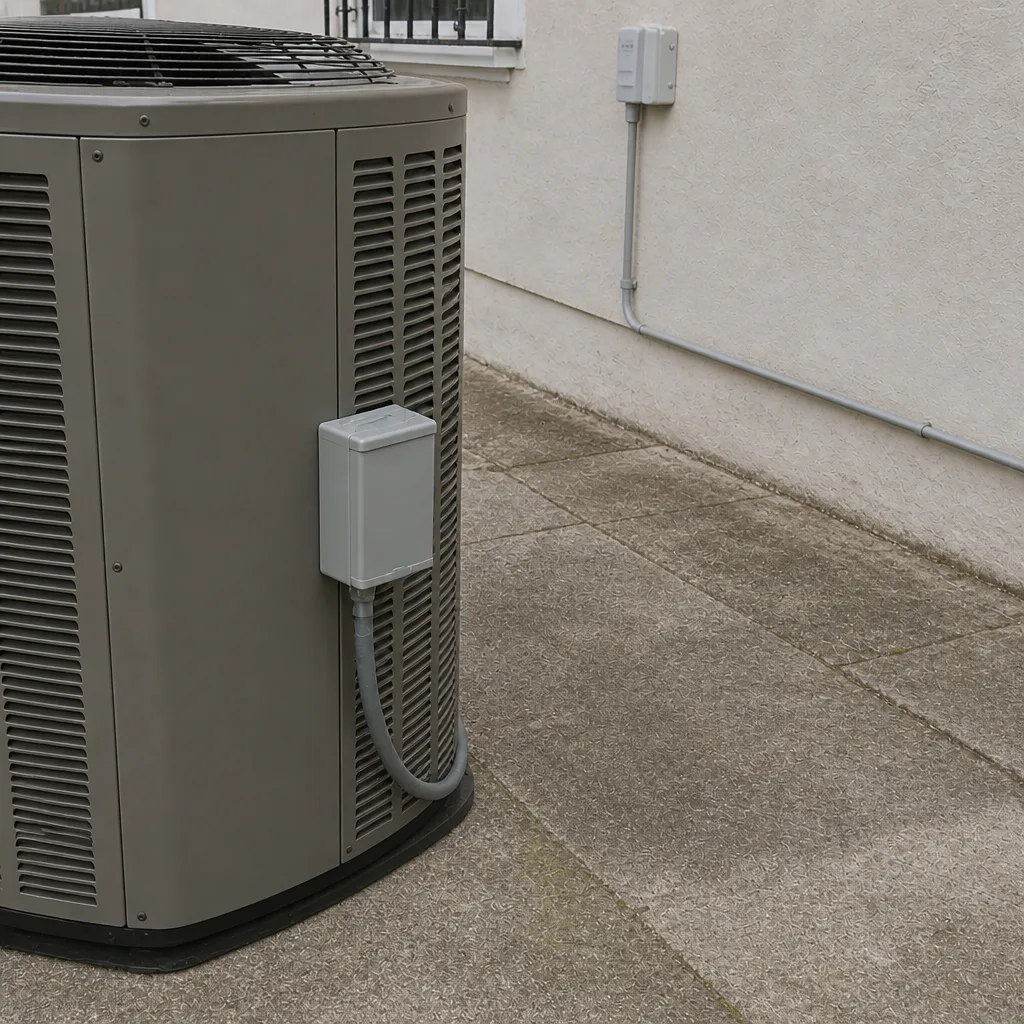
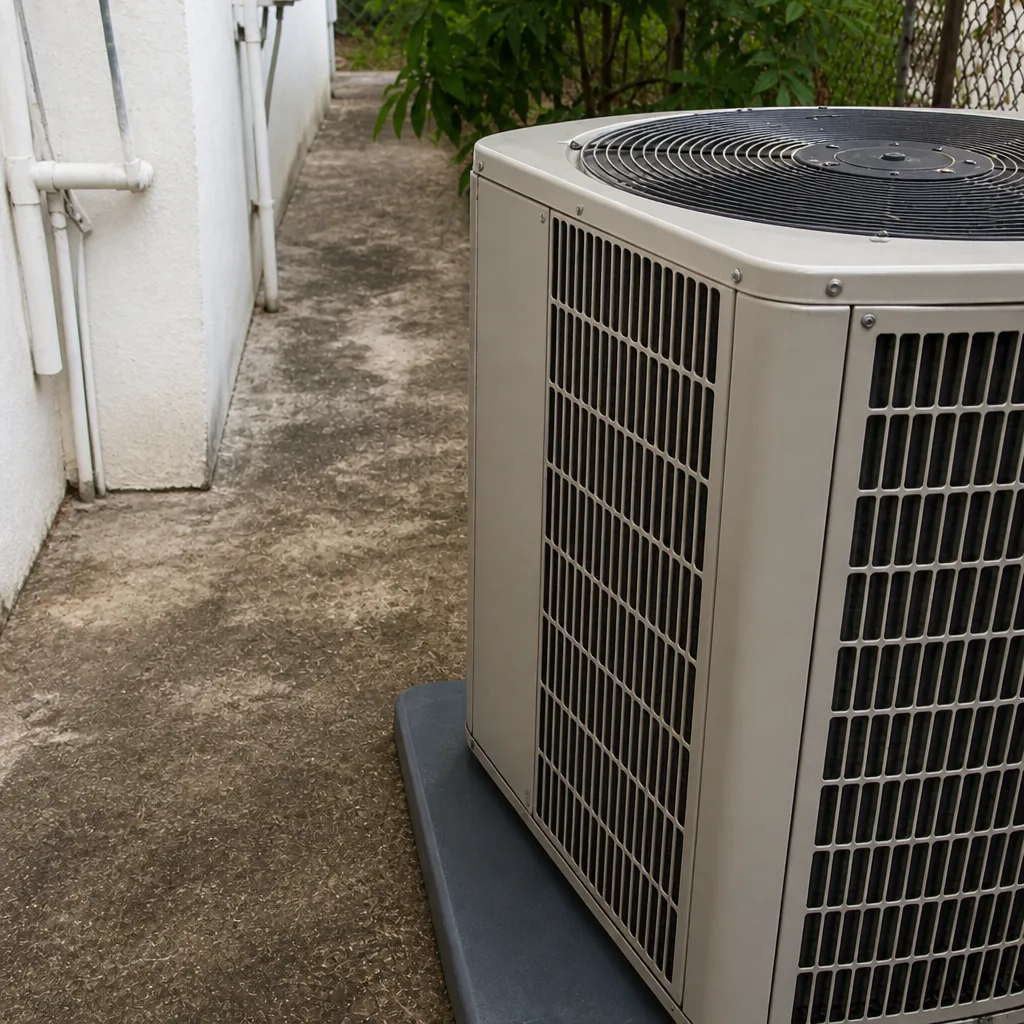
- Outdoor unit clearance. Vegetation grows year-round here. Trim back foliage and make sure there’s clear airflow around the condenser. A condenser boxed in by plants can’t reject heat properly, and that stress shows up as higher head pressure and higher bills.
If any of that turns up a real problem, we’d rather you know in October than find out in July. A technician with gauges and a meter in October can tell you whether the system is ready or whether it’s limping. That’s the entire point of the fall window.
December – February: Furnace Startup and Heat Strip Realities
Hialeah winters are mild, and most of the time the heating system runs for a few hours overnight and then doesn’t come on again for days. That’s exactly why heating problems here tend to go unnoticed until the one cold snap that actually matters, and why the winter months deserve a deliberate startup check rather than a “we’ll see if it comes on.”
The furnace startup protocol
If your home has a gas furnace, the startup check should be done before you need heat, not after. A service visit in December or January should cover the following:
- Ignition sequence verification – does the igniter fire, does the burner light, does the flame sensor prove flame within the expected time?
- Heat exchanger inspection – a cracked heat exchanger is a safety issue, not a comfort issue, and it’s one of the few inspection items that must be done by a trained technician. If you suspect one, stop using the system and call.
- Flue and venting check – proper draft and venting matters for combustion safety.
- Gas pressure verification against the manufacturer’s spec.
- Thermostat switchover test – confirming the system actually transitions from cooling to heating mode when called.
The thermostat switchover test is easy to skip and worth doing every year. Homeowners call us in January because “the heat doesn’t come on,” and a meaningful number of those turn out to be a thermostat configuration issue, not a furnace failure. Testing the switchover while a technician is on site turns a cold-night emergency into a five-minute fix.
Heat strips: the common Hialeah heat source
Plenty of Hialeah homes don’t have a furnace at all. They have electric heat strips in the air handler, and the “heating system” is effectively a resistive element that runs inside the same cabinet as the cooling coil. That’s a perfectly reasonable setup for a mild climate, but it changes what maintenance looks like:
- Heat strips draw high current. Loose connections at the sequencer or the breaker are a fire risk, and they should be checked by a technician with a meter, not by eye.
- The blower and filter condition matter more on a heat-strip system, because restricted airflow over an energized strip causes them to overheat and shortens their life.
- Because the system shares components with cooling, an in-season AC problem can also be a heat problem. Solving one usually solves both.
A reputable furnace repair visit in Hialeah should diagnose the actual failure, not default to replacement. Whether your Rheem furnace needs a flame sensor cleaning or a Daikin packaged unit has a failed sequencer, the answer should come from testing, not from a sales pitch.
March – April: The Pre-Season Checklist Before the First 90°F Days
The first 90°F days in Hialeah usually arrive before most homeowners think about their air conditioner. This is why March and April matter more than the calendar suggests. A system that gets tuned up in late March has a technician’s eyes on it before the season of high runtime starts, and any minor issue that survived the winter gets corrected before it becomes a mid-July outage.
Here’s the pre-season checklist we’d put on any Hialeah homeowner’s fridge for March:
- Replace the air filter. Use a filter rated for your system’s static pressure limits. A MERV 13 filter in a system designed for MERV 8 can starve the blower and reduce cooling capacity. Filter selection isn’t a “more is better” decision.
- Test the capacitors and contactor. Start capacitors and run capacitors fail most often in the summer. A technician can test them now and replace a marginal one before it strands you. A contactor with pitted points is the same story.
- Check outdoor unit clearance and cleanliness. Clearance at least as wide as the manufacturer specifies so the coil can reject heat properly, and clean the condenser fins if seasonal debris has collected.
- Verify refrigerant pressures and superheat/subcool. At 80°F to 85°F ambient, a technician can get a very useful picture of the charge and the metering device performance.
- Inspect the condensate drain and float switch. The float switch is the safety device that shuts the system down if the drain pan fills. Test it. A float that no longer trips is a slow flood waiting to happen.
- Test thermostat switchover in both directions. Cooling to heating and back. This also catches any battery or configuration issue in a programmable or smart thermostat.
- Review UV bulb life and dehumidistat settings. These two items directly affect indoor air quality through the humid season. More on this below.
If your system already has an issue that’s been there all winter – a rattling outdoor unit, a room that never quite cools, a musty smell when the system starts – March is the time to address it. Small repairs in March are cheaper than emergency repairs in June, and the diagnostic is easier when the system isn’t under stress.
If you already know a component needs replacing, our AC installation team can walk you through options before the season starts. If your furnace needs attention before the shoulder season closes, our furnace repair work is handled by the same technicians who visit on cooling calls, so you’re not coordinating between contractors.
June – September: In-Season Monitoring You Can Do Yourself
Once the cooling season begins, most homeowners are going to leave the system alone and hope it runs. That’s understandable, but there are two checks you can safely perform yourself to catch failures early. We walk homeowners through these on request, and they’re genuinely useful.
Check 1: The supply/return temperature split
With a simple digital thermometer, measure the air temperature at a supply register and at the return grille, after the system has run for at least 15 minutes. The split between return and supply should be meaningful – a healthy air conditioner typically moves the air temperature by 15°F to 20°F. If your system is running and the split is only a few degrees, or it’s negative, something is wrong with the cooling circuit, the airflow, or the compressor. That’s a diagnostic appointment, not a wait-and-see.
Check 2: Condensate drain flow
Find the primary drain line near the air handler, usually PVC, and confirm water is draining during operation. In Hialeah’s humidity, condensate volume is high, and the drain carries water for hours per day. If you see no flow, hear gurgling, or find water in the emergency pan, stop the system and call. A clogged drain can soak a ceiling in an afternoon.
Other monitoring items during the season:
- Notice if the outdoor unit runs constantly at mid-day, even when it’s not hot inside. That’s often a refrigerant charge issue or dirty coil.
- Listen for new rattles from the outdoor fan. A failing bearing gets noisy long before it strands the system.
- Watch for ice on the indoor coil or refrigerant lines. Ice is a sign of low charge or restricted airflow, and the correct response is to turn the system off and call, not to keep running it.
- Check the filter monthly. In a Hialeah summer with the windows closed, filters load up faster than the manufacturer’s calendar suggests.
If you notice the warning signs above, don’t try to diagnose the system yourself. Refrigerant handling and electrical diagnosis are professional work, and running a compromised system can turn a small repair into a compressor replacement. Call (866) 806-7345. We answer 24/7, and we offer same-day service and fast dispatch from 7am to 7pm on these calls.
How Hialeah’s Humidity Reshapes Indoor Air Quality Tasks
Standard seasonal maintenance guides treat indoor air quality as a spring-cleaning ritual. In Hialeah, it’s a year-round function of the system. If your air conditioner is cooling but not removing enough moisture, the result isn’t just an uncomfortable house – it’s an environment where mold, mildew, and dust-mite populations have an easier time.
Here are the IAQ tasks that belong in a Hialeah homeowner’s seasonal routine, and that most generic guides skip:
UV bulb replacement
UV-C bulbs installed in an air handler or coil enclosure are designed to suppress biological growth where moisture collects. They lose output over time even when they still glow, so bulb replacement follows the manufacturer’s recommended interval – not the visible glow. If your home has a UV system, put a replacement reminder on the calendar based on the bulb’s rated life, and add “inspect UV system” to your annual maintenance visit. This is an entirely different schedule from furnace filter replacement, and it usually gets forgotten.
Dehumidistat calibration
If your system has a dehumidistat or a whole-home dehumidifier, the setpoint matters. A dehumidistat that has drifted can leave your home running higher humidity than intended, or it can keep the system dehumidifying when indoor air is already dry enough. Have the calibration checked during your fall or pre-season visit, and adjust the setpoint for Hialeah’s actual summer humidity range rather than a default that was probably set for a drier climate. If you’re running a dehumidifier and it isn’t keeping up, that’s a system-performance signal, not just a device malfunction.
Drain pan sanitation and coil cleanliness
The evaporator coil in a Hialeah air handler stays wet for hours per day during the summer. Any dust that lands on it becomes a growth medium. Cleaning the coil and sanitizing the drain pan is not cosmetic – it directly affects air quality in your home and the long-term health of the equipment. This is one of the tasks that must be done on a schedule, not on a “wait until it smells” basis.
Filter strategy
Homes with anyone who has allergies or respiratory sensitivity should use a filter rated well enough to catch fine particles but not so restrictive it chokes airflow. If you’re unsure how to balance that, ask on your next service visit – it’s a two-minute conversation that saves months of frustration. The right filter for a Hialeah home is the one your system can move air through, not the highest number on the box.
What Brand-Agnostic Service Actually Means for Your Equipment
Every HVAC brand has its own quirks. A Lennox condenser’s control board behavior is different from a Goodman’s. A Trane communicating system reports faults in a different format than a standard 24-volt setup. Bryant and Carrier share some subsystem design but not all service procedures. York packaged units and Rheem split systems have their own component layouts, their own failure patterns, and their own parts-spec differences.
For a homeowner, this matters because a technician who works primarily with one brand tends to see every system through that brand’s lens. A dealer whose flagship line is a single manufacturer has a reason – not a dishonest one, just a structural one – to steer toward that line at replacement time. A technician who works across the industry has no such pressure.
Nine brands, one standard of work. Our technicians are trained on equipment from Carrier, Trane, Lennox, Goodman, Rheem, York, Daikin, Bryant, and American Standard. That breadth matters most in two moments: when a repair need is specific to the brand, and when it’s time to think about replacement and the recommendation should be based on your home, not on which manufacturer we happen to be aligned with.
That second point deserves emphasis because it’s where homeowners get steered. Our AC installation consultations are equipment-neutral. We look at the home’s load, the duct system, the homeowner’s efficiency goals and budget, and recommend from multiple manufacturers. A Trane condensing unit might be the right choice for one Hialeah home and a Daikin or Rheem split system for another. The recommendation should follow the home, not the dealer’s shelf.
The other piece is knowing before arriving. When we get the address and the equipment model on a call, the technician already knows the schematic, the expected pressures, the typical failure modes, and the parts to bring for that system. That doesn’t make the visit faster by magic. It makes the visit more likely to end in a repair rather than a “we’ll have to come back.”
Repair or Replace: Making the Call With the Right Information
The repair-versus-replace question is where the seasonal guide meets the biggest financial decision most homeowners face in HVAC. And it’s exactly where the incentives can get skewed, depending on who you call.
A few signals that point toward repair:
- The system is otherwise healthy and the failure is a discrete component – a capacitor, contactor, blower motor, igniter, flame sensor, or drain-related safety switch.
- Refrigerant pressures and superheat/subcool readings are within spec, and the system hasn’t been leaking.
- Efficiency hasn’t noticeably degraded over the last couple of seasons beyond normal age-related drift.
- The compressor is intact and electrically sound.
A few that point toward replacement:
- A failed compressor, a failed heat exchanger, or a leaking evaporator coil, especially on a system that’s showing other wear.
- Repeated refrigerant leaks that have been topped off multiple times without a resolved root cause.
- R-22 equipment that can’t be serviced economically as refrigerant becomes harder to source (ask your technician to explain the refrigerant your system uses specifically – this varies by vintage).
- Components failing in sequence – the compressor, then the blower motor, then the control board – in short order.
Here’s the piece we stress with homeowners: because we perform both furnace repair and furnace replacement, and both AC repair and AC replacement, the recommendation a homeowner gets from us isn’t driven by which service we’d prefer to sell. It’s driven by what the equipment actually needs. That’s the entire reason we’ve kept to a focused HVAC scope; not plumbing, not electrical work outside the HVAC system, not remodeling – just heating and cooling, done by technicians who do it every day.
If you’re in that decision now and want a second perspective, that’s a reasonable ask. Our furnace repair team will tell you plainly when a repair is the right call and when it isn’t.
Common Mistakes to Avoid
- Waiting for a problem to become a June emergency. In Hialeah, the shoulder months are your work window. Deferring maintenance into summer means the system fails under peak load, when diagnostics are harder and the stakes are higher.
- Upgrading to a higher-MERV filter because it seems like more protection. A filter can be too restrictive for the blower. Higher MERV isn’t automatically better; it’s better when the system was designed for it. Ask before you swap.
- Skipping the furnace check because “we barely use it.” Mild winters here mean furnace problems go unnoticed until the one cold night that matters. December through February is the right time to make sure it lights, vents, and cycles.
- Ignoring the drain line because the system still cools. A clogged drain in a Hialeah summer can soak through a ceiling in an afternoon. Check drain flow as part of your regular monitoring.
- Letting one brand’s dealer diagnose a different brand’s system without knowing their focus. Dealers who work primarily with one manufacturer see every system through that manufacturer’s lens. Ask what other brands they service before committing to a repair or replacement.
- Forgetting UV bulb age. UV bulbs fade before they stop glowing. Track the replacement interval on the calendar rather than relying on visual inspection.
- Accepting a replacement recommendation without a load calculation. A replacement recommendation should be accompanied by a real load calculation for the home – not a copy of the nameplate data from the old unit.
We work on your brand, and that includes the ones you haven’t gotten around to asking about. Whether your Rheem furnace needs a heat exchanger inspection or your Bryant system is asking for a full replacement conversation, the answer should come from testing. Banner AC Repair is the Banner AC Repair version of that – a focused HVAC specialist that isn’t trying to sell you anything outside the scope of heating and cooling.
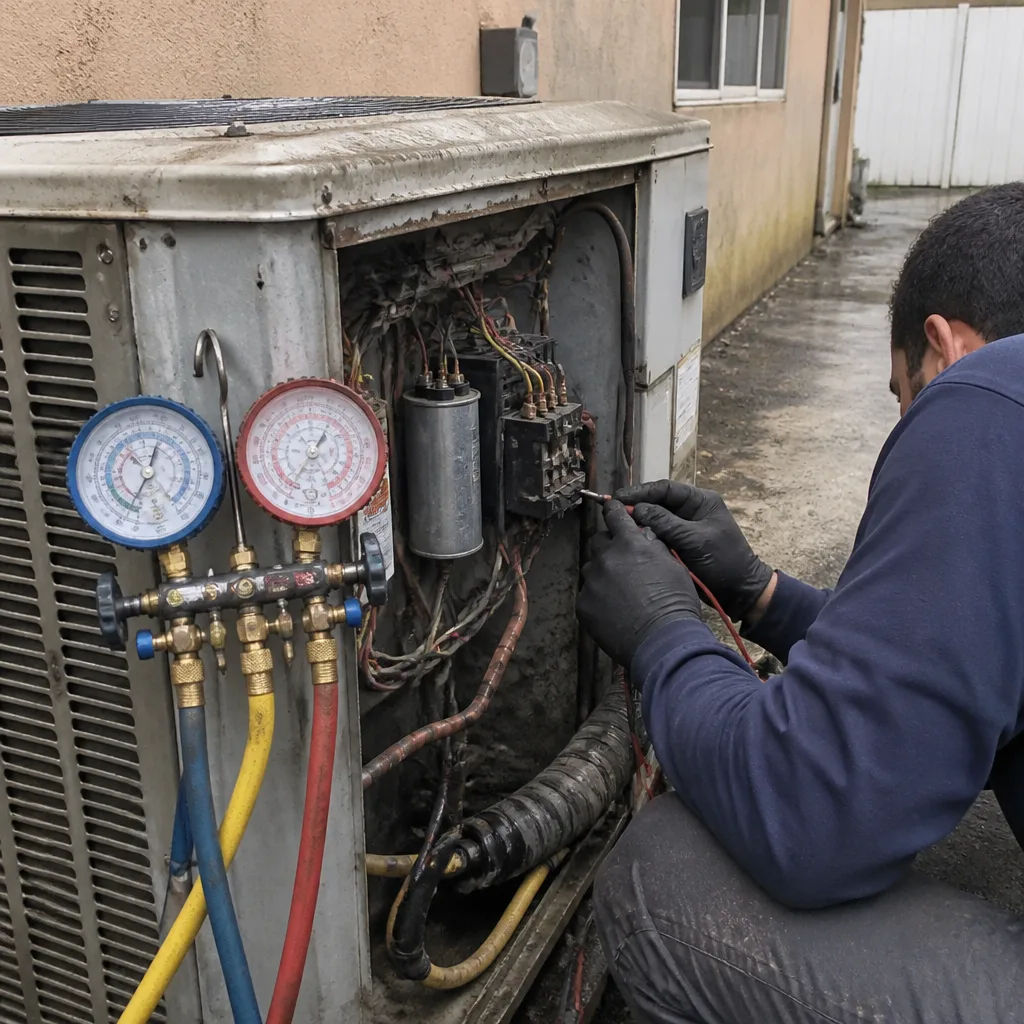
See the difference
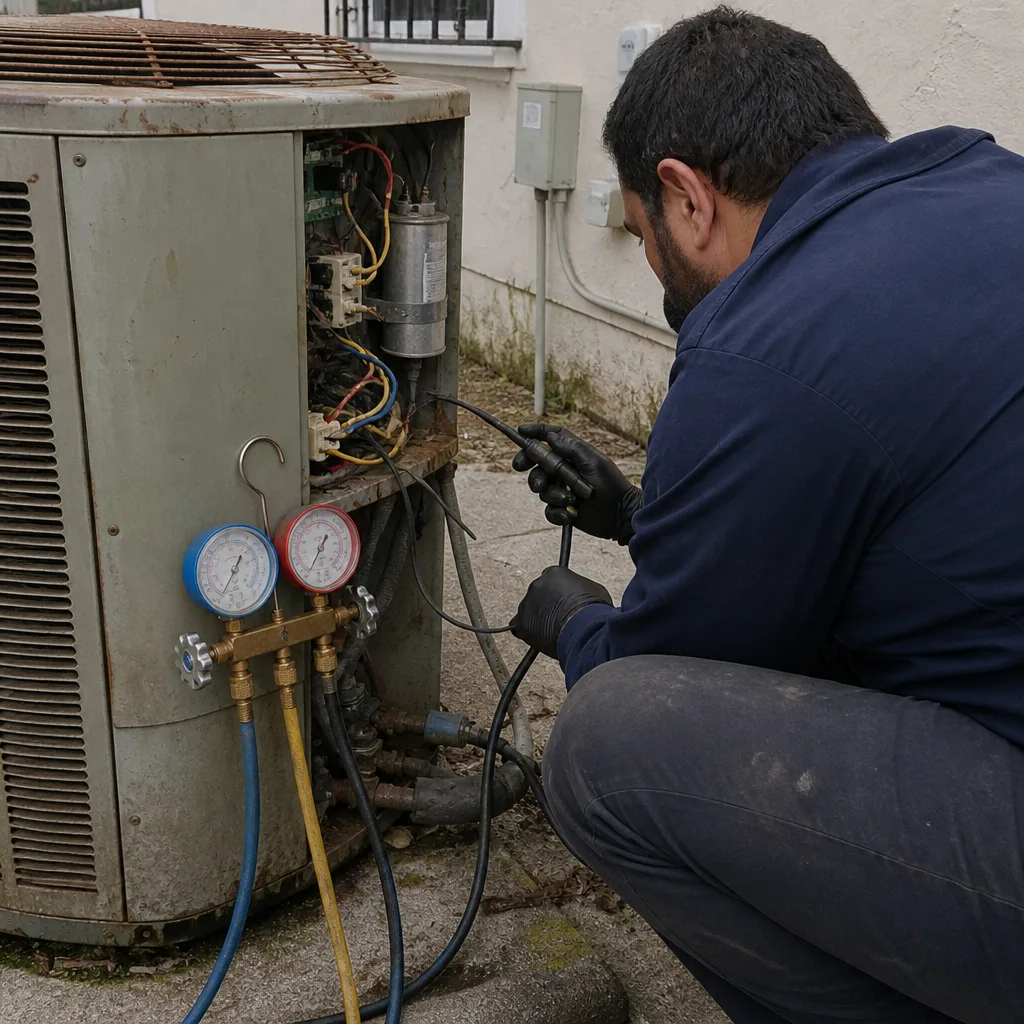 Before
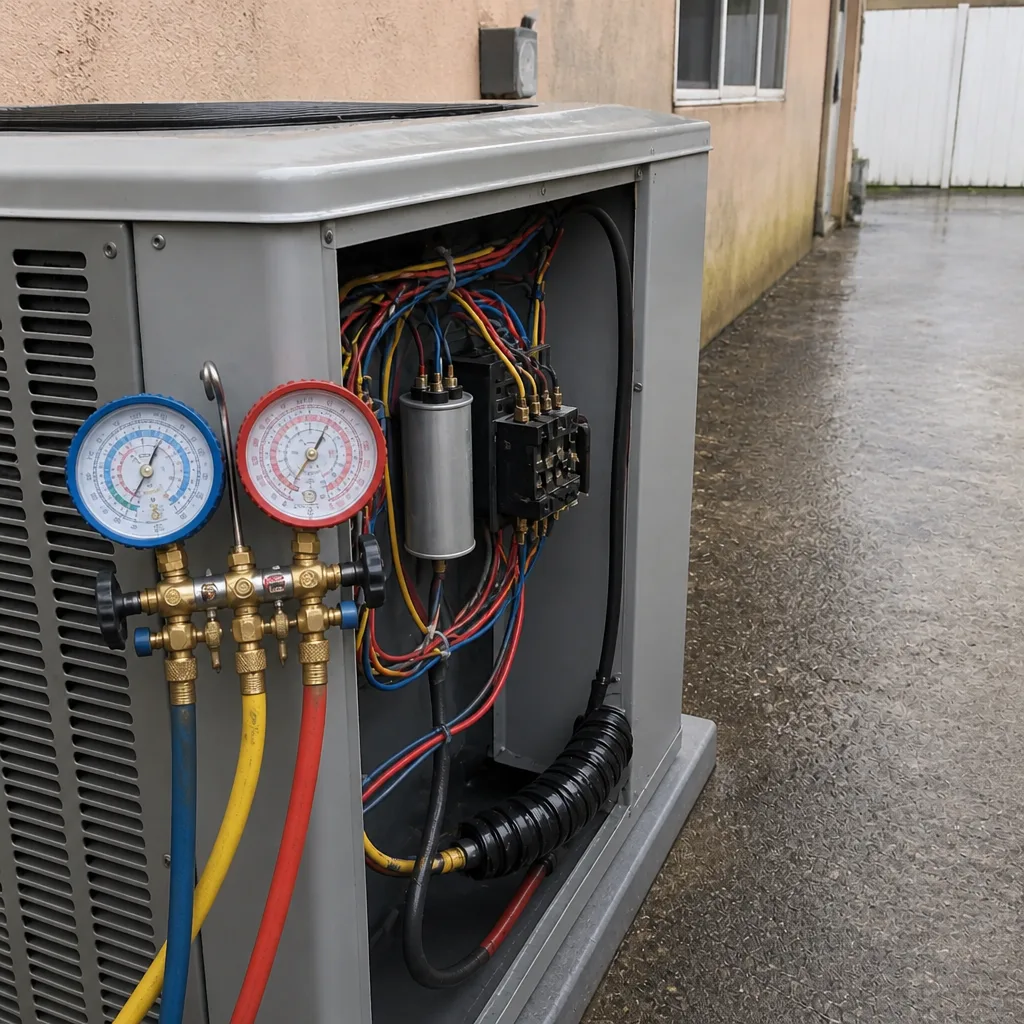
 After
 Before
 After
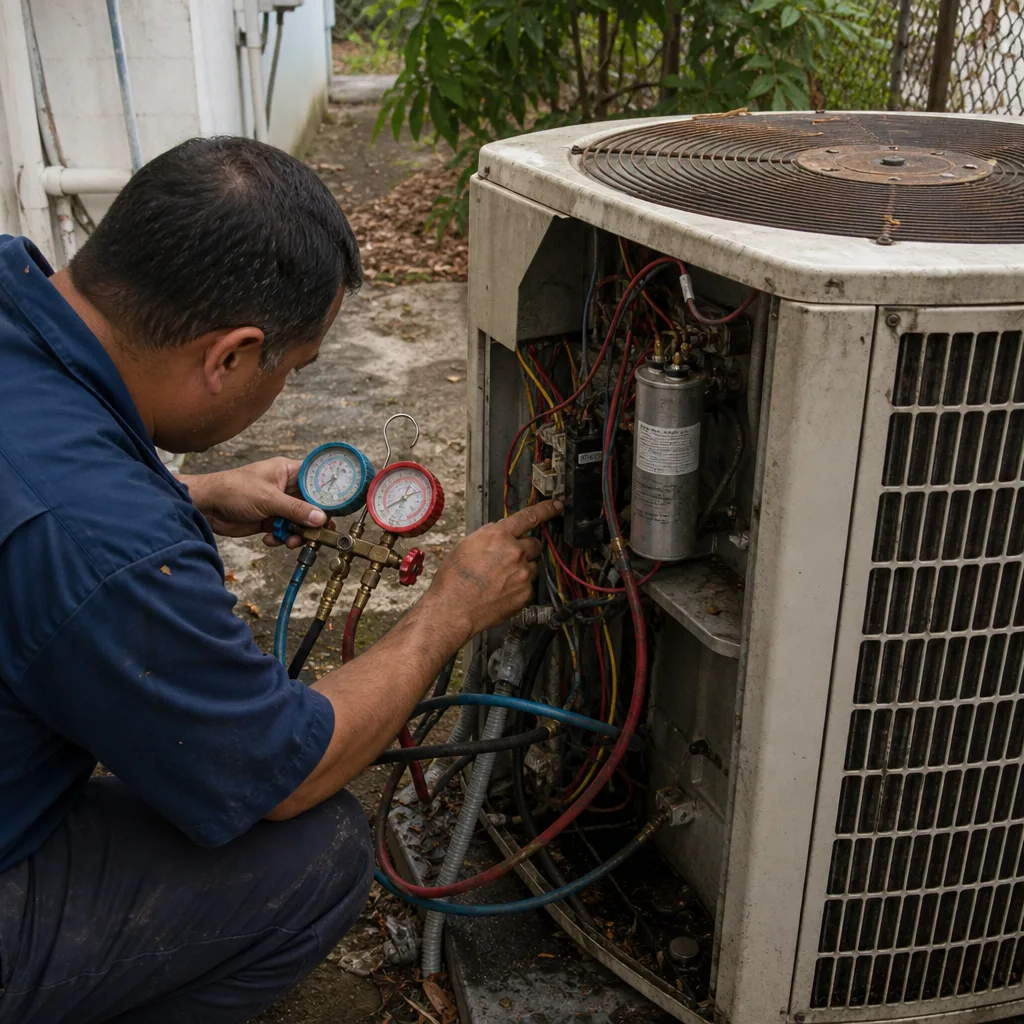 Before
 After
When to Call a Professional
Some tasks belong in your hands – filter changes, drain flow observation, and the quarterly visual checks described above. Others don’t. Call a licensed, trained professional when any of the following apply: refrigerant pressures need checking (handling refrigerant requires certification and equipment you don’t have); a heat exchanger or combustion issue is suspected (this is a safety matter, not a comfort one, and the system should be shut down until inspected); electrical components are suspected of loose or worn connections; the system ices up on the evaporator coil or refrigerant line; the supply/return temperature split has narrowed noticeably; or you’re facing repairs that could add up to a meaningful fraction of replacement cost and want an honest second opinion.
Our technicians have up to experience, and we service the nine brands most commonly installed across Hialeah homes. Free estimates are available – call (866) 806-7345. We answer 24/7, with fast dispatch from 7am to 7pm for repairs and no overtime charge. If you want to know how your system is doing before the next cooling season, that conversation starts with a call.
Frequently Asked Questions
At least once a year, ideally in October or November when the system has come off peak cooling load and technician readings are still accurate. A second lighter visit in March or April catches anything that developed over the mild winter. In Hialeah, the fall visit is the more important of the two – it’s when wear from eight months of runtime gets addressed before the next season.
Because it’s the only window where the summer damage is fresh enough to find and the temperatures are still warm enough for accurate refrigerant diagnostics. Scheduling HVAC maintenance in October isn’t about preparing for winter here – it’s about catching small issues from the cooling season while they’re still small. Call (866) 806-7345 for a free estimate and we’ll schedule a fall visit at the best time for your system.
Yes, if you have a furnace. Mild winters mean a furnace problem can go unnoticed until the one cold night when the system has to work, and a combustion safety issue doesn’t care whether you’ve been using the heat. A December or January startup check verifies ignition, heat exchanger condition, and venting before you need them.
A furnace burns gas to produce heat; a heat strip is an electrical resistance element inside the air handler that produces heat by drawing current through it. Heat strips are common in Hialeah homes because they’re economical to install and the climate is mild. Heat strips share the blower and filter with the cooling system, so keeping airflow clean protects both systems at once.
If the failure is a discrete component – a capacitor, contactor, blower motor, igniter – repair is usually the right call. If the compressor is gone, the heat exchanger is compromised, or you’re seeing repeated refrigerant leaks with no resolved source, replacement deserves serious consideration. Call (866) 806-7345 for an exact evaluation – estimates are free, and because we do both repair and replacement, the recommendation comes from what the equipment actually needs.
Three main items: UV bulb replacement following the bulb’s rated interval rather than its visible glow, dehumidistat calibration so your humidity setpoint is actually being met, and evaporator coil and drain pan sanitation to prevent biological growth where moisture collects. These three are routinely skipped by homeowners and by generic seasonal guides that were written for a climate where humidity is a seasonal problem rather than a year-round one.
The Bottom Line
Seasonal HVAC care in Hialeah means treating October through April as your real work window, not as downtime. The fall visit is your recovery from the cooling season; the winter check is your safety and heat test; the pre-season call is your last window before the summer siege. Humidity control – UV bulbs, dehumidistat calibration, coil cleanliness – belongs in your routine in a way it doesn’t in dry climates, and the drain line deserves as much attention as the filter. If you get the shoulder months right, your summers get quieter. If you need help getting any of it done, and you’re anywhere in Hialeah, call (866) 806-7345 for a free estimate. We answer 24/7, with fast dispatch from 7am to 7pm, Sunday through Friday.
Written by the team at Banner AC Repair.