
Last updated November 15, 2026
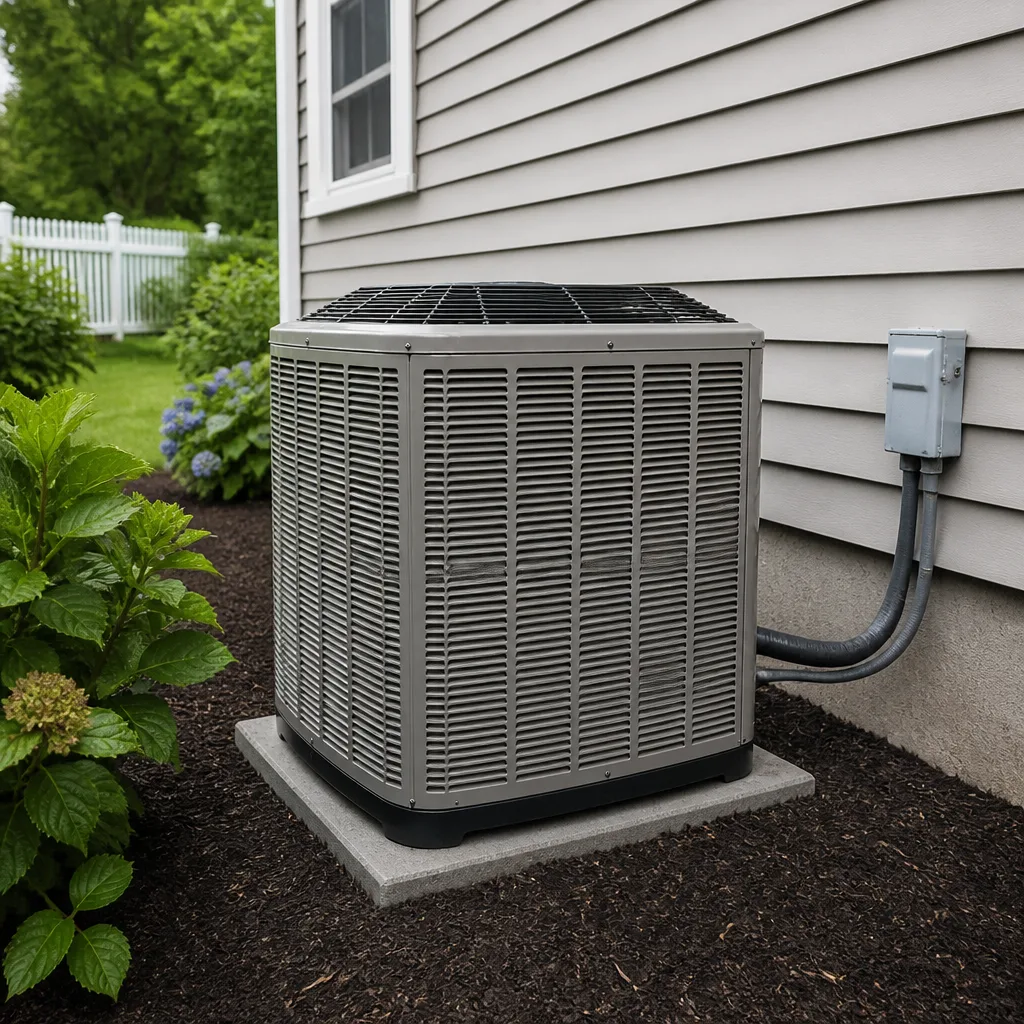 AC repair
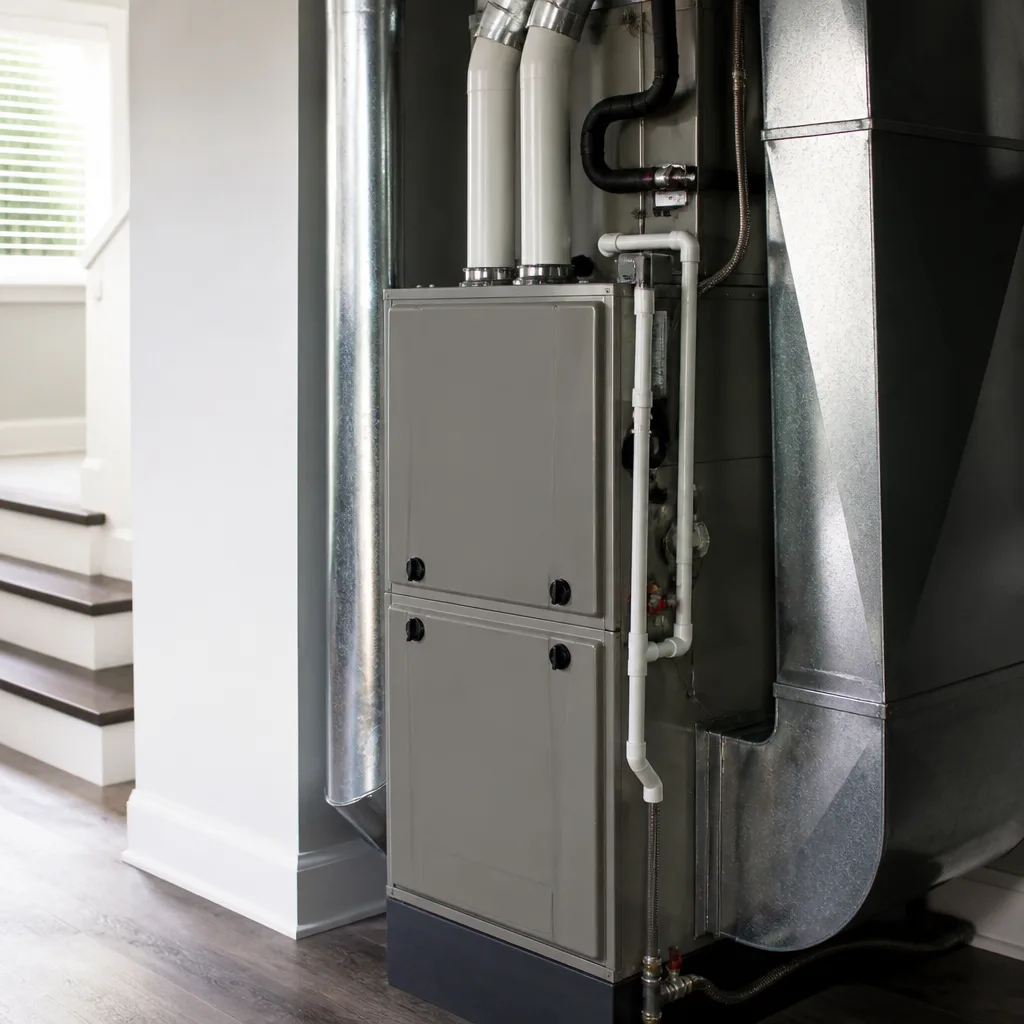 Furnace & heating
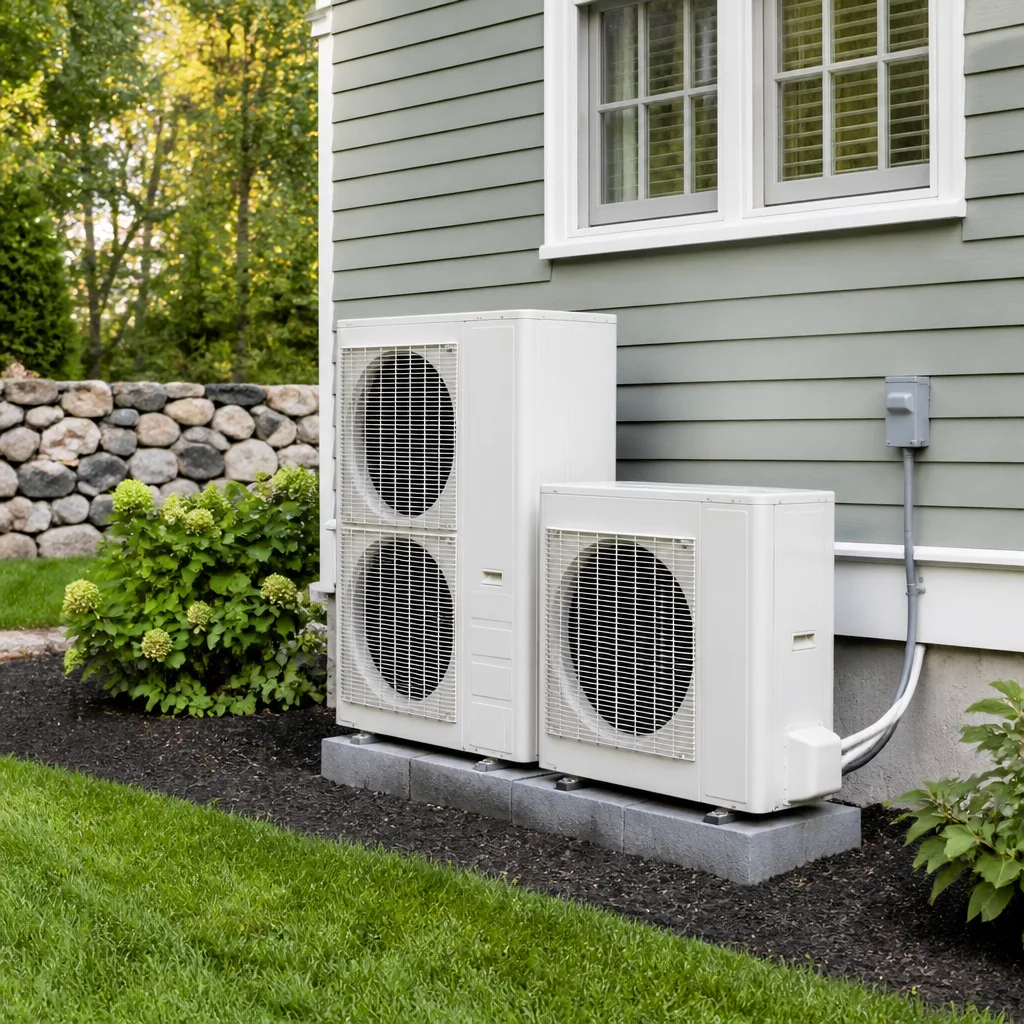 Heat pumps
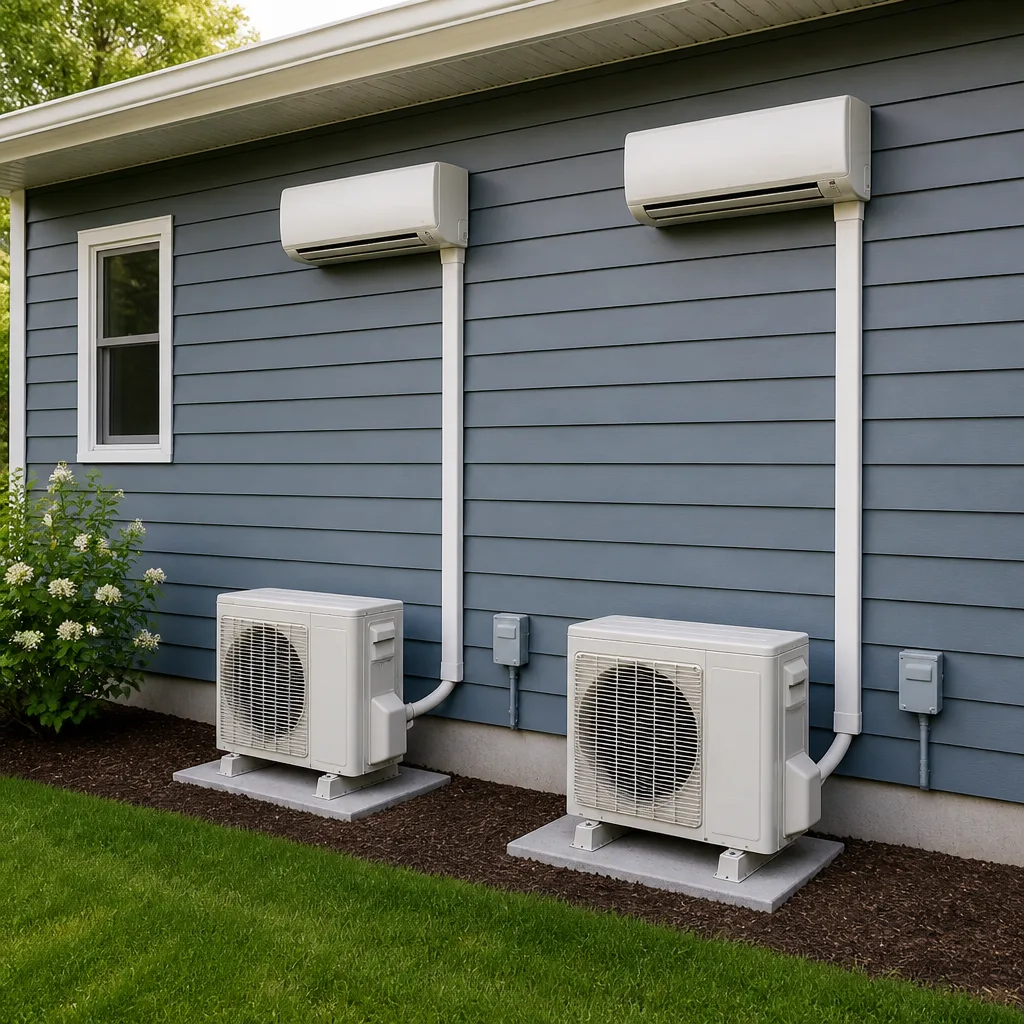 Ductless mini splits
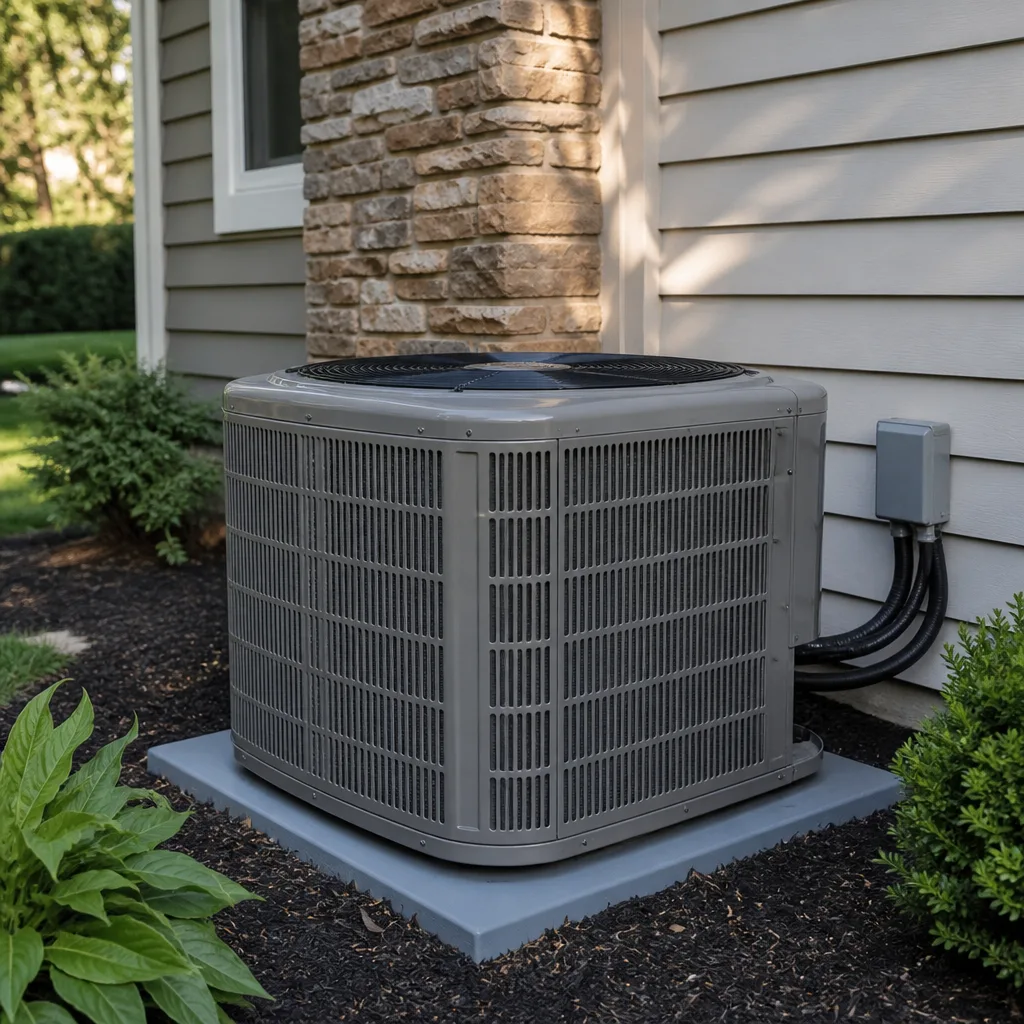 Carrier
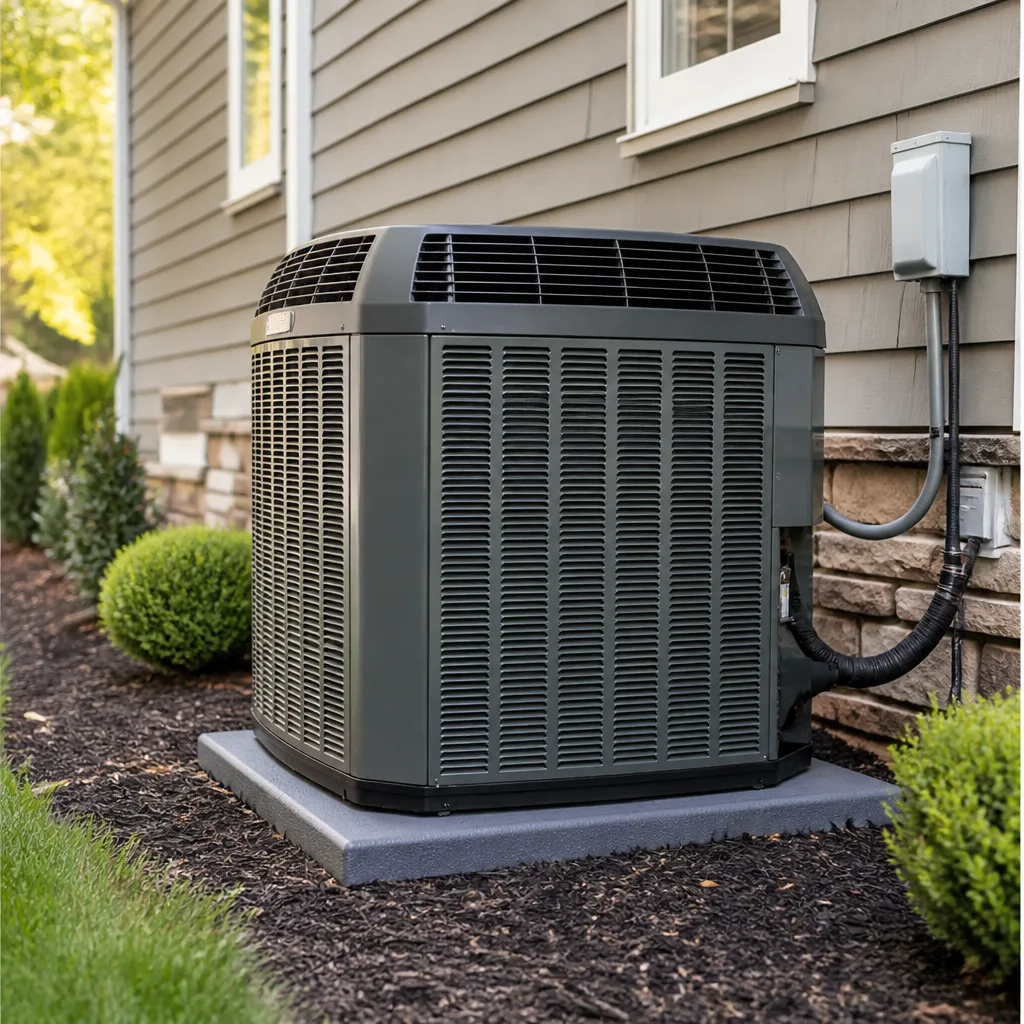 Trane
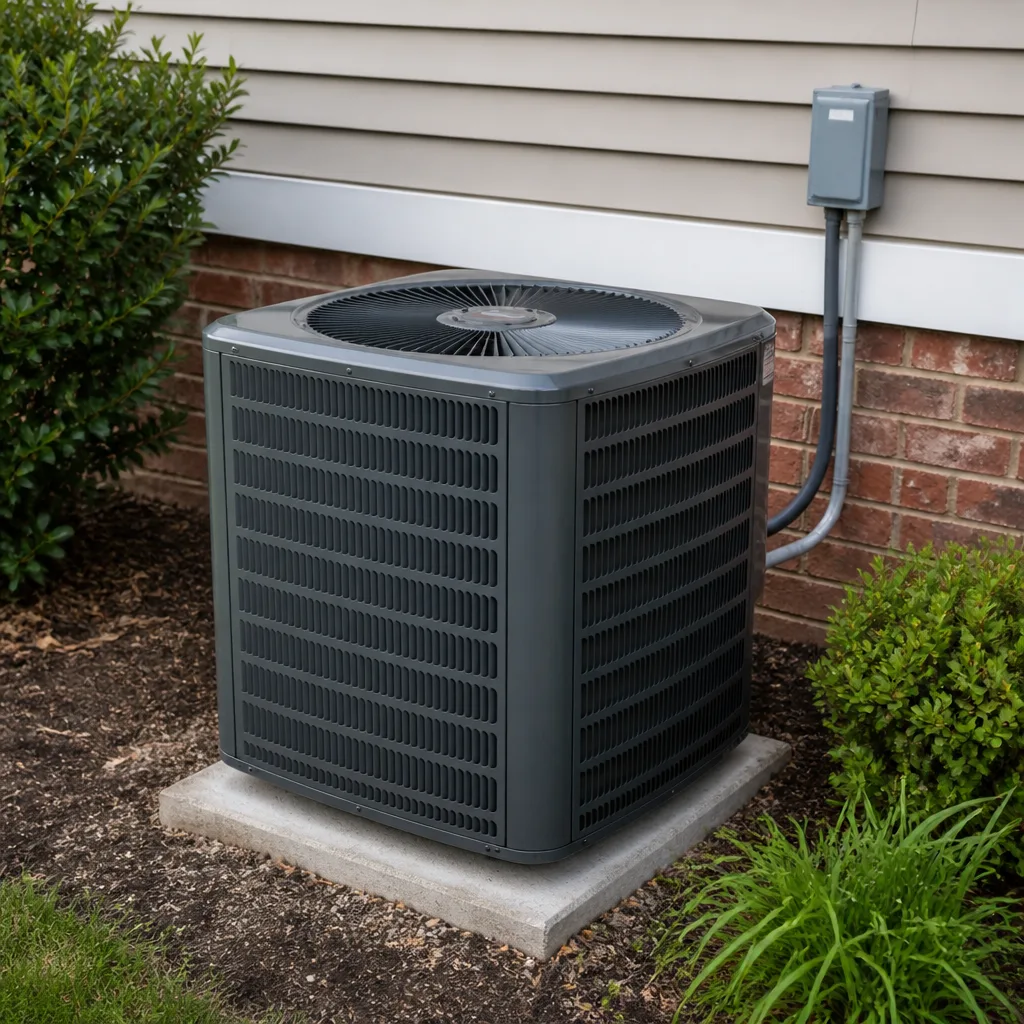 Goodman
Seasonal tune-up and full diagnostic on your Carrier, Trane, or Goodman system - readings shown to you before any repair is proposed
Diagnosis first, numbers second - you approve the repair price before a single part goes in.
Get your free estimateChoosing the Right HVAC Brand: A Buyer’s Guide for Hialeah
Here’s something most buyers’ guides won’t tell you: three of the top-selling HVAC brands in the country share components built in the same factories. The compressor in one badge may come off the same line as another. What you’re really choosing when you pick a brand is a warranty tier, a dealer network, and a set of specifications that determine how the equipment behaves in this climate. In Hialeah, that last point matters more than any logo. Our city sits in one of the most demanding cooling environments in the country: long hot seasons, high humidity, and equipment that runs hard for months. This guide teaches you to read the specs that matter, the warranty terms that count, and the quote details that reveal whether a contractor is being straight with you.
Quick Answer
The best HVAC brand in Hialeah is whichever model meets three requirements: a SEER2 rating high enough to keep energy bills sane through a long cooling season, coil materials that hold up to constant moisture, and a rated dehumidification capacity that matches our humidity. Brand name is secondary to those specs plus local parts availability and a technician who actually knows the product line. A mid-tier brand specified correctly will outperform a premium badge chosen on reputation alone.
Styles & brands we work with
- AC repair
- Furnace & heating
- Heat pumps
- Ductless mini splits
- Carrier
- Trane
- Goodman
Table of Contents
- Why Brand Loyalty Is Mostly a Marketing Construct
- The Three Specs That Actually Matter in Hialeah
- The Hidden Cost of Dealer Exclusivity
- How to Read a Manufacturer’s Warranty Document
- Brand-Agnostic Criteria for Evaluating Any HVAC Quote
- Mid-Tier vs. Premium: Rental Properties, Primary Homes, and Vacation Homes
- What Installation Quality Does to Any Brand
- Hialeah-Specific Buying Notes
Why Brand Loyalty Is Mostly a Marketing Construct
The HVAC industry consolidated years ago. A handful of parent companies own the major nameplates, and component manufacturing is shared across them. Compressors, coils, and controls are frequently sourced from the same suppliers regardless of the badge on the cabinet. That doesn’t mean every brand is identical. It means the differences live in specific places: efficiency tiers, coil construction, warranty length, quality control, and how well the local distribution network supports the product.
In our experience working across nine major brands, the failures we see are rarely “that brand is bad.” They’re mismatches. A unit specified for a moderate climate gets installed in Hialeah and the coil corrodes early because the material selection wasn’t right for constant moisture. A cheap builder-grade model goes into a home where it runs nearly year-round and the compressor wears out long before its warranty term. The question is never “which brand is best.” It’s “which model in this brand’s lineup fits this house in this climate.”
That’s the brand-neutral position we hold at Banner AC Repair. We’re not a single-line dealer pushing one preferred manufacturer. We work on Carrier, Trane, Lennox, Goodman, Rheem, York, Daikin, Bryant, and American Standard, so the recommendation a homeowner in Hialeah gets is based on the house and the budget, not on which line we’re contractually aligned to sell. Nine brands, one standard of work.
The Three Specs That Actually Matter in Hialeah
Most manufacturer brochures lead with noise ratings and app features. Useful, but not what determines whether your system lasts and performs here. Three specifications drive the outcome in Hialeah’s climate. Learn to find them on any spec sheet and you can compare brands on equal footing.
1. SEER2 efficiency under high ambient temperatures
SEER2 replaced the older SEER rating in 2023, and it’s measured under a slightly more realistic test profile. Higher is better, but here’s the nuance nobody explains: rated efficiency is measured at a specific outdoor temperature, and real performance curves downward as the outdoor temperature climbs. In Hialeah, an air conditioner spends much of its life running above the test condition, so the gap between a mid-tier and a premium efficiency rating narrows less than the sticker suggests. Match the SEER2 number to your actual runtime and budget rather than chasing the highest figure on the shelf.
2. Coil material: copper versus aluminum
The evaporator and condenser coils are where the heat exchange happens, and their material determines how they hold up to moisture and contaminants. Copper has better heat transfer and natural antimicrobial properties. Aluminum is lighter, cheaper, and more resistant to the formicary corrosion that attacks copper in some environments. In a humid place like Hialeah, where condensate is continuous through the cooling season, the coil’s construction and protective coating matter as much as the base metal. Ask what the coil is made of and whether it carries a specific coil warranty term separate from the rest of the unit.
3. Rated dehumidification capacity
This is the spec Hialeah homeowners overlook most often. Cooling capacity is measured in tons or BTUs. Moisture removal is a separate number, sometimes listed in pints per day or grains per hour, and it determines how the air feels. An oversized unit cools fast but doesn’t run long enough to pull moisture out, leaving a house that feels clammy at 74 degrees. A correctly sized system with good latent capacity keeps humidity in check and lets you set the thermostat higher. If a contractor can’t tell you the dehumidification figure for a model, that’s a warning sign.
The Hidden Cost of Dealer Exclusivity
A contractor who only sells one brand can still be skilled. But there’s a structural limitation you should understand before you call one. Single-line dealers have limited ability to compare equipment objectively because their business model depends on selling what they carry. That doesn’t make them dishonest. It makes their recommendations constrained.
There are practical consequences too:
- Parts availability. When your system breaks, the repair timeline depends on local parts distribution. A brand-agnostic contractor can source from multiple suppliers, while a single-line dealer may be waiting on a warehouse order for a part that a competitor’s supply house has on the shelf.
- Quote comparison. A dealer-exclusive quote can’t tell you whether a different brand’s equivalent model would have cost less or performed better. You’re comparing one option against nothing.
- Warranty handling. Some brands are stricter than others about who can file a labor claim. A technician familiar with many brands knows which manufacturers make you jump through hoops and which don’t.
- Repair-or-replace honesty. If a contractor only sells new equipment, the incentive to repair leans in one direction. A shop that does both furnace repair and full replacement has less reason to push either one.
In Hialeah, where a single failed condenser in the middle of summer is a real hardship, a repair turnaround measured in days rather than weeks has value that doesn’t show up on a spec sheet. That’s the hidden cost of exclusivity.
How to Read a Manufacturer’s Warranty Document
Warranties are the part of the purchase nobody reads until they need it, and by then it’s too late to change the terms. Four things matter. Read these four before you sign anything.
- Compressor coverage. This is the most expensive component. Many manufacturers offer a longer compressor term than the rest of the unit, sometimes ten years on registered products, sometimes five. Ask for the exact number in writing.
- Coil coverage. Coils fail more often than compressors, and coil warranty terms vary widely by brand and model tier. Confirm whether the coil has its own term and whether it covers labor to replace it.
- Parts-only versus parts-and-labor. Many manufacturer warranties cover the part but not the labor to install it. That means a covered compressor replacement can still cost you a meaningful labor charge. Clarify which you have.
- Registration requirements. Many manufacturer warranties require the unit to be registered within a set window after installation, often with the original installer, or coverage reverts to a shorter default term. Make sure whoever installs your system handles the registration and gives you proof.
One more thing to check: whether the warranty is transferable if you sell the house. In Hialeah, where properties change hands and many homes have rental or multi-generational occupancy, a transferable warranty is worth real money at resale. Ask the question before the equipment is ordered.
Brand-Agnostic Criteria for Evaluating Any HVAC Quote
Comparing quotes across different brands is only useful if you’re comparing the same things. Use these criteria as a checklist for every proposal you receive.
- Matched system. A condenser and air handler from different efficiency tiers is a mismatched system. Manufacturers require matched components to honor efficiency and warranty claims. Confirm the quote names both the indoor and outdoor model numbers and that they’re a matched pair.
- Load calculation. A proper quote begins with a room-by-room load calculation, not a guess based on square footage. An undersized or oversized unit performs badly in both directions, and Hialeah’s long cooling season makes sizing errors costly.
- Local parts availability. Ask how quickly the contractor can source replacement parts for the proposed model. A brand with weak local distribution is a brand you’ll wait on when it fails.
- Technician familiarity. Ask whether the crew has worked on this specific product line before. “Know before we arrive” is a real standard, not a slogan.
- Written fixed price. The estimate should state a fixed price, not a range. A written price sets the final number, and it should include the equipment, labor, removal of the old unit, and any permit required.
- Warranty terms in writing. The quote should state the compressor, coil, and labor warranty terms explicitly.
Bring us a quote from any contractor and we’ll walk through it with you against these criteria. That’s part of what a free estimate means for AC installation in Hialeah.
Mid-Tier vs. Premium: Rental Properties, Primary Homes, and Vacation Homes
The honest answer about premium brands is that they make sense in some situations and don’t in others. The investment math changes with how long you’ll own the equipment and who runs it. Here’s how we think about it.
Rental properties
In a rental, the system needs to be reliable, serviceable, and cheap to repair. A mid-tier brand like Goodman or Rheem often wins here. Parts are widely available, service technicians across Hialeah know the product line, and the efficiency tier doesn’t need to be the highest because the landlord isn’t paying the electric bill. Prioritize a robust compressor warranty and a matched system with straightforward controls. Premium features like variable-speed communicating systems add complexity renters won’t appreciate and may not know how to operate.
Primary residences
For a home you’ll own for ten years or more, a higher-efficiency premium model starts to pay back through lower electric bills, quieter operation, and better dehumidification. This is where brands like Lennox and Trane and their higher-SEER2 tiers earn their price. If a homeowner spends the cooling season at home and cares about comfort and quiet, a premium variable-speed system is worth discussing. The premium is defensible when you’ll keep the house long enough to enjoy it.
Vacation homes
For a condo or vacation home that’s occupied part of the year, the deciding factor is the same as rentals: reliability and ease of service. A well-specified mid-tier unit with good coil protection handles the humidity that builds up when nobody’s home to run the AC. Somebody needs to check that the system runs periodically in the off-season, or mold and coil degradation set in fast. Consider the equipment and the monitoring together.
Whatever the property type, the right answer is not always the expensive one. Our repair-first diagnostic approach means that on a furnace call, we recommend replacement only when repair is no longer cost-effective, and the same logic applies to choosing a tier.
What Installation Quality Does to Any Brand
You can buy the best-specified equipment on the market and turn it into a problem with a bad installation. The reverse is also true: a mid-tier unit installed correctly will outperform a premium unit installed carelessly. The brand gets the attention, but the install determines the outcome.
Three things separate a good install from a bad one:
- Correct sizing from a load calculation. Oversizing is the most common mistake, and it hurts dehumidification most in places like Hialeah. A unit that’s too big cools fast and short-cycles, and the moisture stays in the air.
- Proper refrigerant charge and airflow. A system that’s undercharged or has restricted airflow runs inefficiently and strains the compressor. A good installer verifies both against the manufacturer’s specifications before signing off.
- Commissioning and documentation. The installing contractor should record the final refrigerant charge, static pressure, and the model and serial numbers of both indoor and outdoor units, then register the warranty in your name and hand you the paperwork.
Ask any contractor what their commissioning process looks like. If the answer is vague, the install is following the same pattern.
Hialeah-Specific Buying Notes
A few things are particular to buying HVAC equipment in Hialeah that brand brochures won’t tell you. Air conditioners here run longer seasons than in most of the country, so wear accumulates faster. That makes coil material and compressor protection more important than raw efficiency alone. It also means that some Spanish-language-heavy neighborhoods in Hialeah, like Hialeah Gardens and Palm Springs, see a lot of retrofits where an undersized older unit is being replaced with a properly calculated system for the first time. Getting the load calculation right on those jobs is critical.
Permitting is a step that buyers often forget to check. Most municipalities require a permit for HVAC replacement, and the contractor should handle it as part of the job. Ask upfront whether the permit is included in the written price and whether the inspection will be scheduled before the job closes out. Unpermitted equipment can complicate a future sale and can affect warranty coverage in some cases.
Parts availability is another local variable. Hialeah has solid HVAC distribution, but not every brand has the same depth of supply locally. Before committing, ask what happens if a compressor fails in two years: how fast can this brand’s part be sourced, and is the technician comfortable with the specific model number? Brands like Rheem and York are widely serviced across South Florida, and technicians in Hialeah run into them constantly, which means faster diagnosis and repair when something goes wrong. That matters more than a logo.
Common Mistakes to Avoid
- Choosing by brand reputation instead of specifications. Two brands at the same price point can differ significantly in coil material, dehumidification capacity, and warranty terms. Compare the spec sheets, not the marketing copy.
- Accepting a quote that skips the load calculation. A contractor who sizes by square footage alone is guessing. In Hialeah’s climate, an oversized system leaves the house clammy and runs inefficiently.
- Ignoring dehumidification capacity. It’s the spec most often omitted and the one you’ll notice every day. Ask for it in writing.
- Overlooking local parts availability. A brand with weak distribution in South Florida leaves you waiting on repairs. Confirm how quickly the contractor can source parts before you commit.
- Not checking whether the warranty is parts-only or parts-and-labor. A covered compressor can still cost you a meaningful labor payment if the warranty is parts-only.
- Skipping the permit. Most cities require one for HVAC replacement. Unpermitted work can complicate a future sale and may affect coverage.
- Not asking whether the technician has worked on that specific model. Any technician can read a manual. A technician who’s worked the model line knows its failure patterns and comes prepared.
See the difference
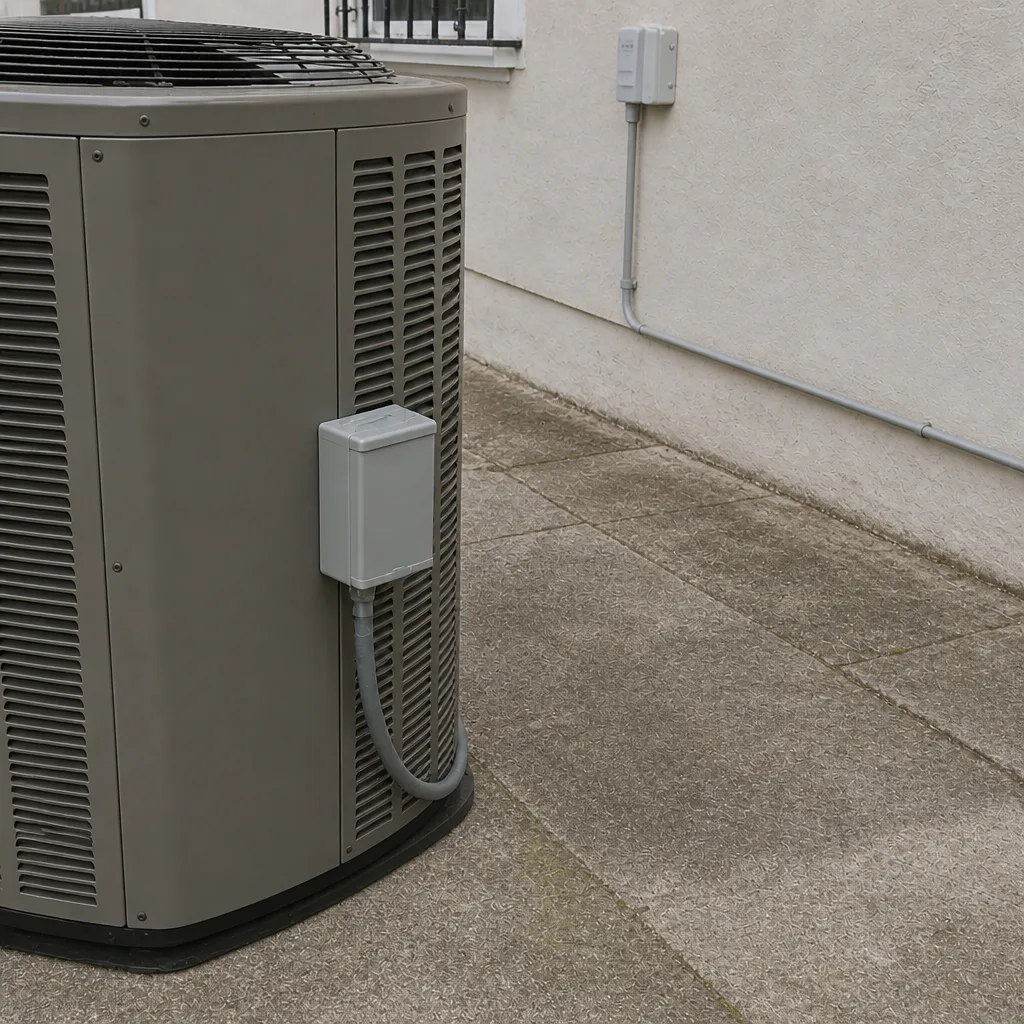
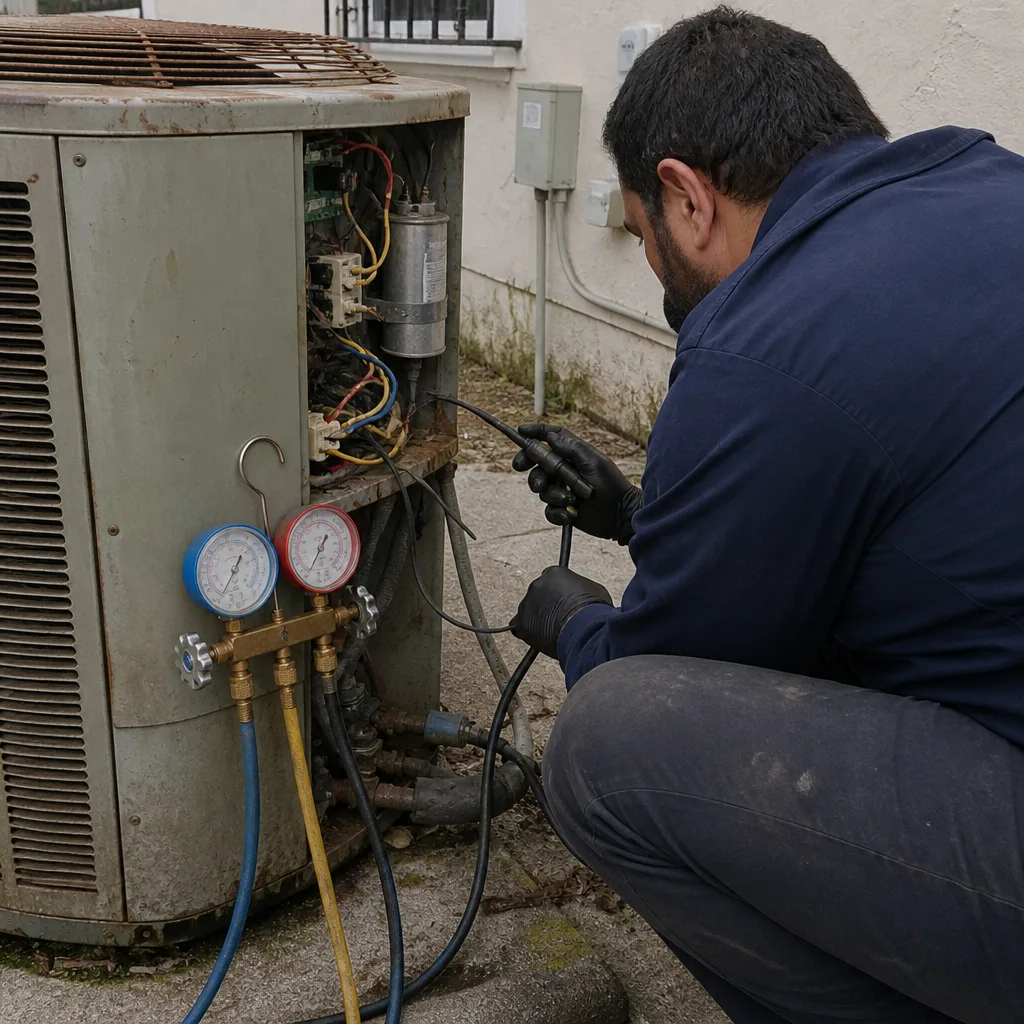 Before
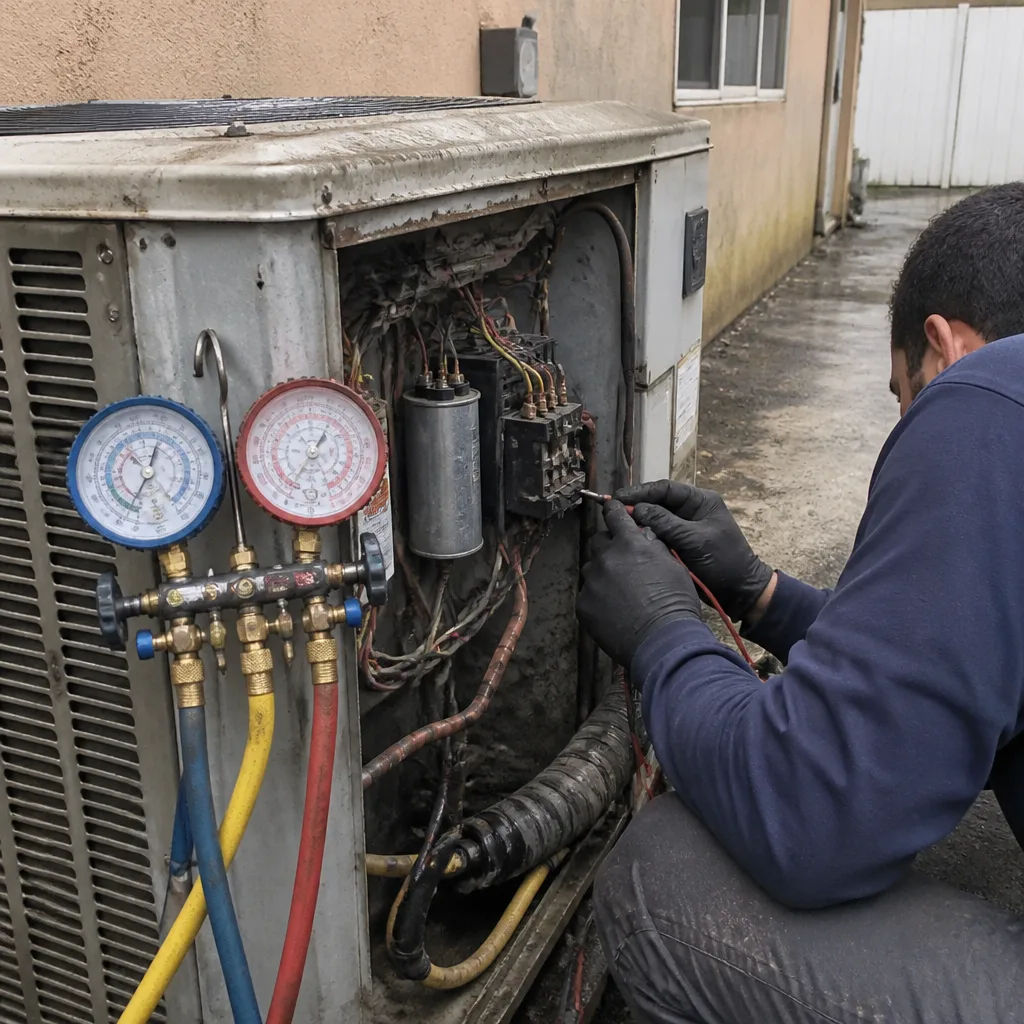
 After
 Before
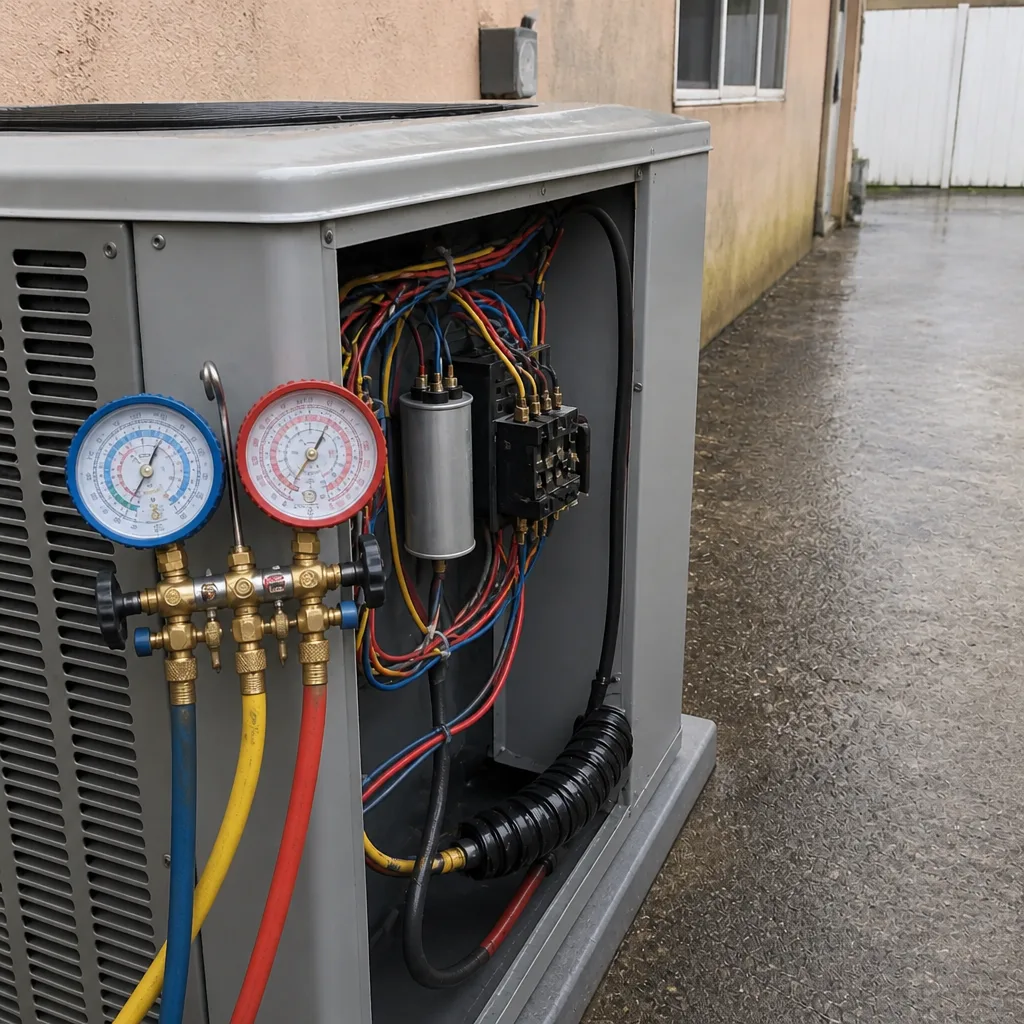 After
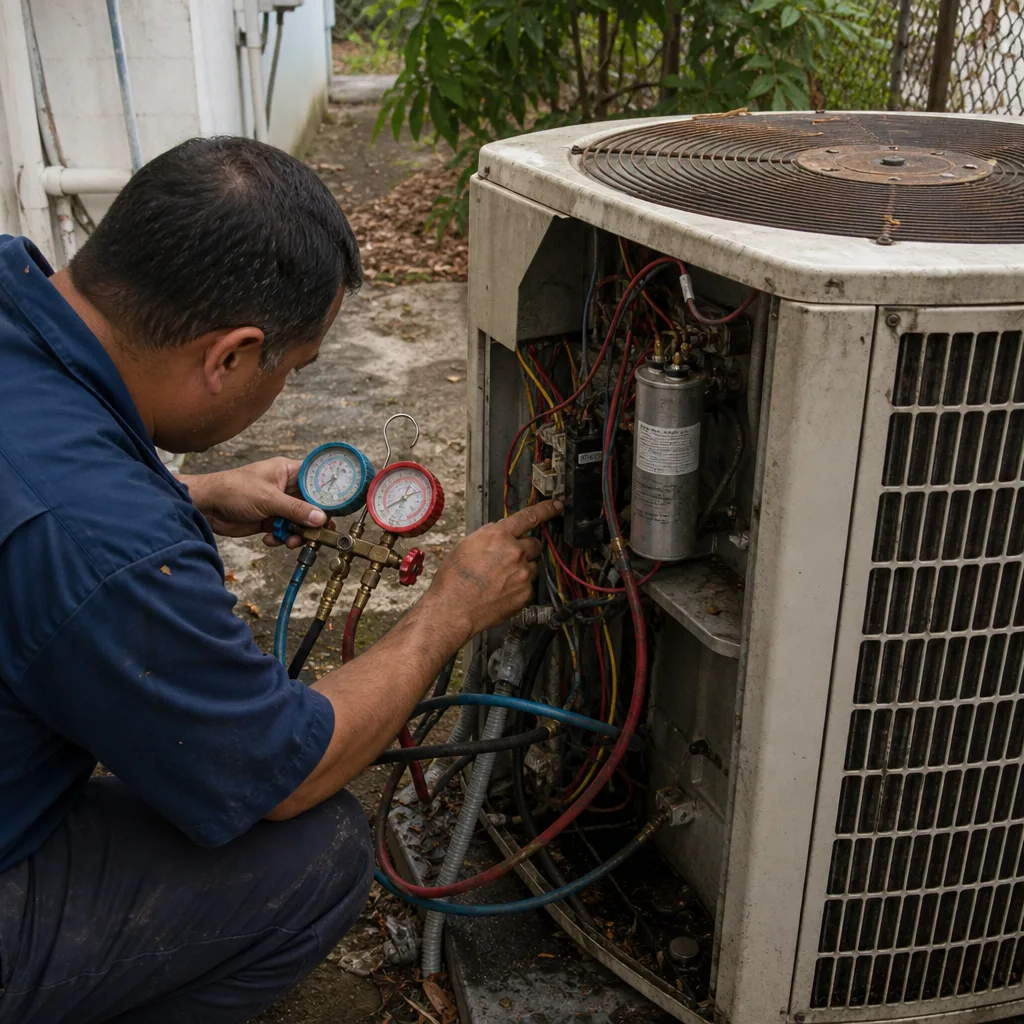 Before
 After
When to Call a Professional
Some of the decisions in this guide you can research on your own. Others need a technician in the room. Call a professional when:
- A quote you’ve received doesn’t include a load calculation or the equipment’s model numbers.
- Your current system is more than ten years old and repair costs are climbing.
- You’re comparing brands and want a spec-to-spec comparison before signing.
- You need to verify whether a proposed system meets the permit and code requirements in your part of Hialeah.
- You’ve had a repair recommended and want a second opinion on whether it’s the right call or whether replacement makes more sense.
- Your system runs constantly through the summer or the house feels humid even at a low thermostat setting.
Banner AC Repair offers free estimates in Hialeah. Call (866) 806-7345. We answer 24/7. Fast dispatch from 7am to 7pm, Sunday through Friday. Our technicians have up to 10 years of experience across nine major brands and will bring a written, brand-neutral recommendation.
Frequently Asked Questions
Any brand’s higher-tier model with good SEER2 efficiency, protected coil construction, and strong rated dehumidification will outperform a premium badge chosen on reputation alone. In Hialeah, the three factors that determine performance and lifespan are efficiency under high outdoor temperatures, coil material, and moisture removal. Choose the model that matches those specs to your home, not the logo with the best advertising.
It depends on how long you plan to own the equipment and who runs it. For a primary residence where you’ll stay ten years or more, a premium variable-speed system in a high-efficiency tier usually pays back through lower electric bills, quieter operation, and better humidity control. For a rental or vacation property, a well-specified mid-tier brand is often the more practical choice because parts are widely available and service is straightforward. Call (866) 806-7345 for an honest recommendation based on your specific property.
Compare them on matched system model numbers, load calculation method, local parts availability, warranty terms (compressor, coil, and whether labor is included), and whether the price is fixed in writing. If a quote lacks a load calculation or the specific model numbers, ask for them before comparing anything else. We’re happy to walk through any quote with you, free of charge.
Many manufacturer warranties cover the part but not the labor to install it, which means a covered compressor replacement can still involve a labor charge. Check the warranty document for whether coverage is parts-only or parts-and-labor, and confirm the length of compressor and coil coverage separately. Make sure the installer registers the unit in your name within the required window so coverage isn’t reduced.
Repair is usually the right call when the system is under about ten years old and the repair cost is a fraction of replacement. Replacement usually makes more sense when the compressor has failed, the coil is leaking, or the total cost of repairs is climbing toward half of a new system’s price. We do both, so the recommendation is based on what the equipment actually needs. Call (866) 806-7345 for a free estimate.
That usually means the unit is oversized. A system that cools too fast short-cycles before it removes enough moisture, leaving the house cold and humid at the same time. This is why a room-by-room load calculation matters more than square footage alone, and why rated dehumidification capacity belongs on your spec sheet. A properly sized system with good latent capacity fixes the problem.
The Bottom Line
Brand matters less than most buyers’ guides suggest. What matters in Hialeah is whether the model you pick meets three specs – SEER2 efficiency under high ambient temperatures, coil construction that holds up to moisture, and rated dehumidification capacity – and whether it’s installed by a technician who knows the product line and can source parts locally. A brand-agnostic contractor can compare equipment objectively, which is why we work across nine major brands instead of pushing one. Bring us your quote and we’ll read the specs with you. The goal is the right answer, not the expensive one.
Ready to compare brands with real numbers? Call (866) 806-7345. We answer 24/7. Fast dispatch from 7am to 7pm, Sunday through Friday. Browsing our Hialeah service area is the next step if you’d like to see how we handle installations and repairs across the city.
Written by the team at Banner AC Repair.