
Last updated November 15, 2026
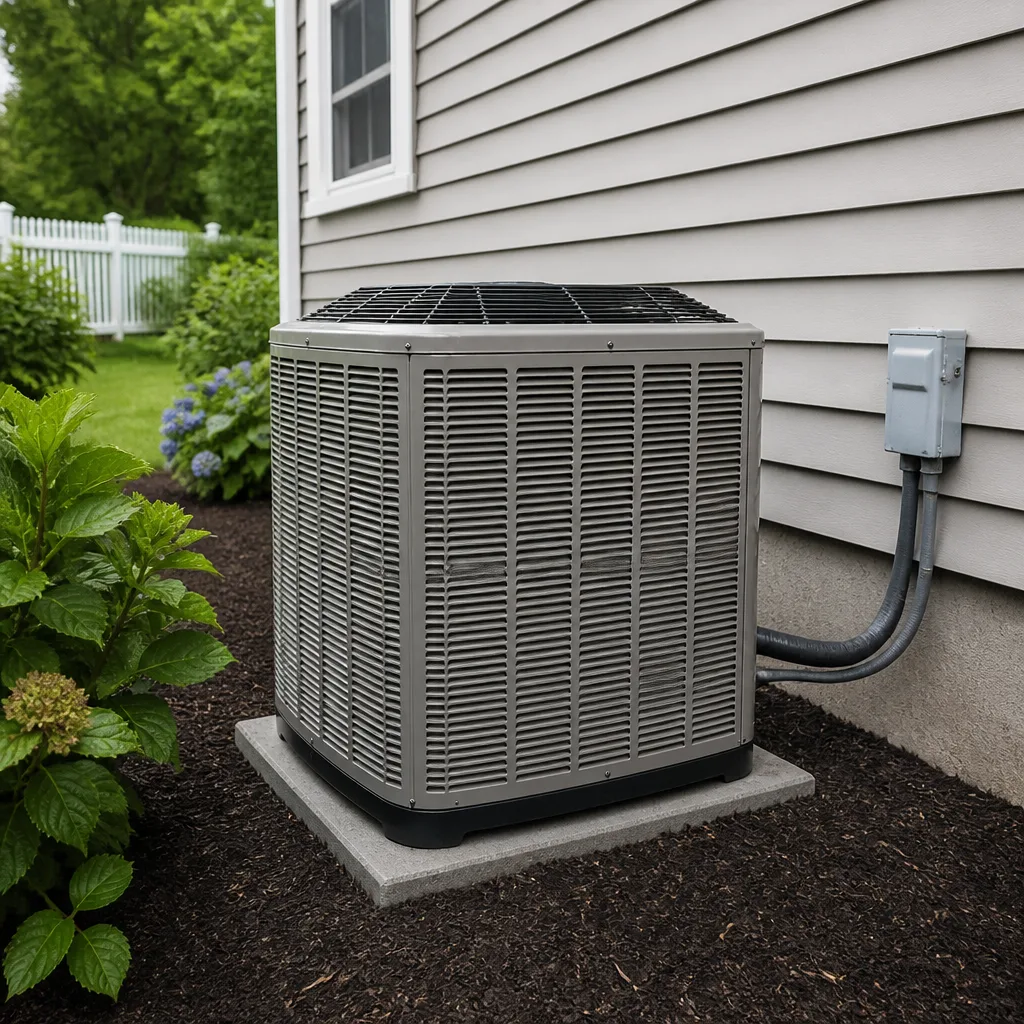 AC repair
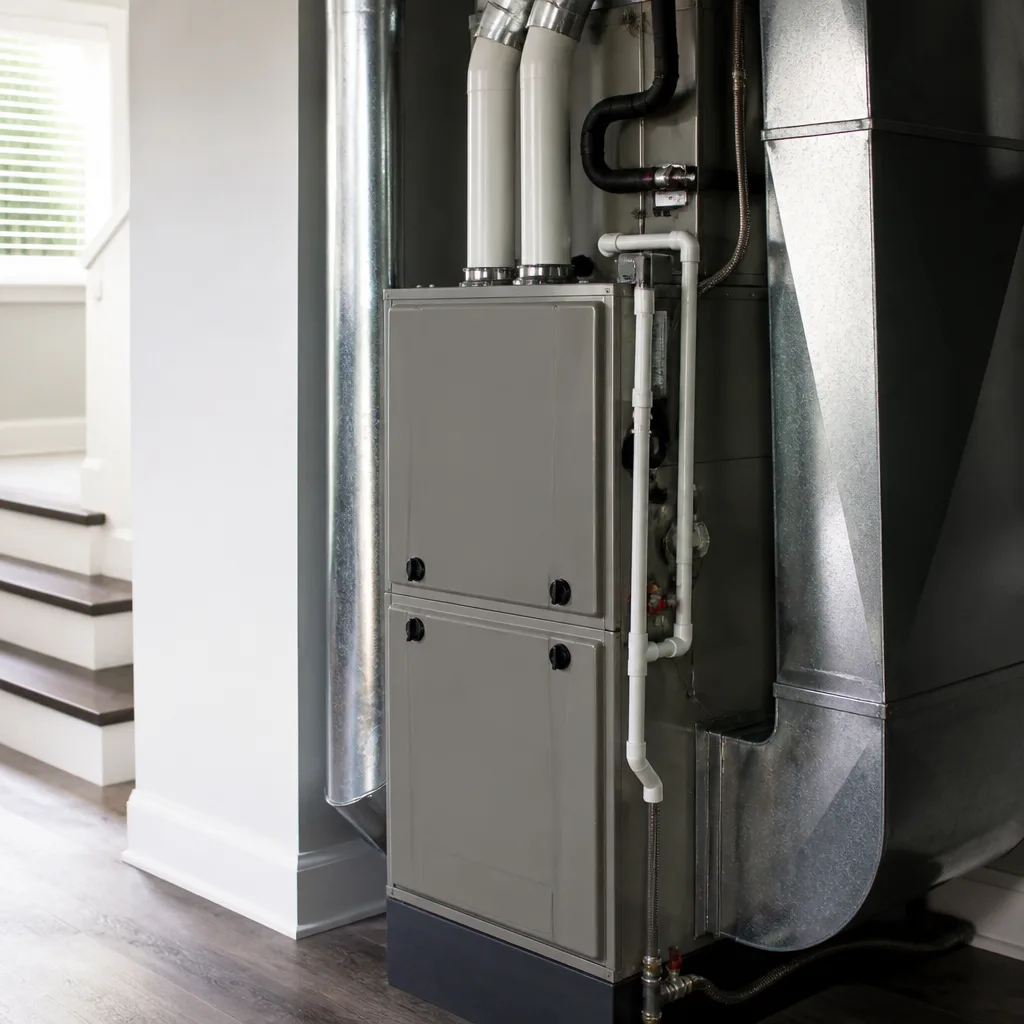 Furnace & heating
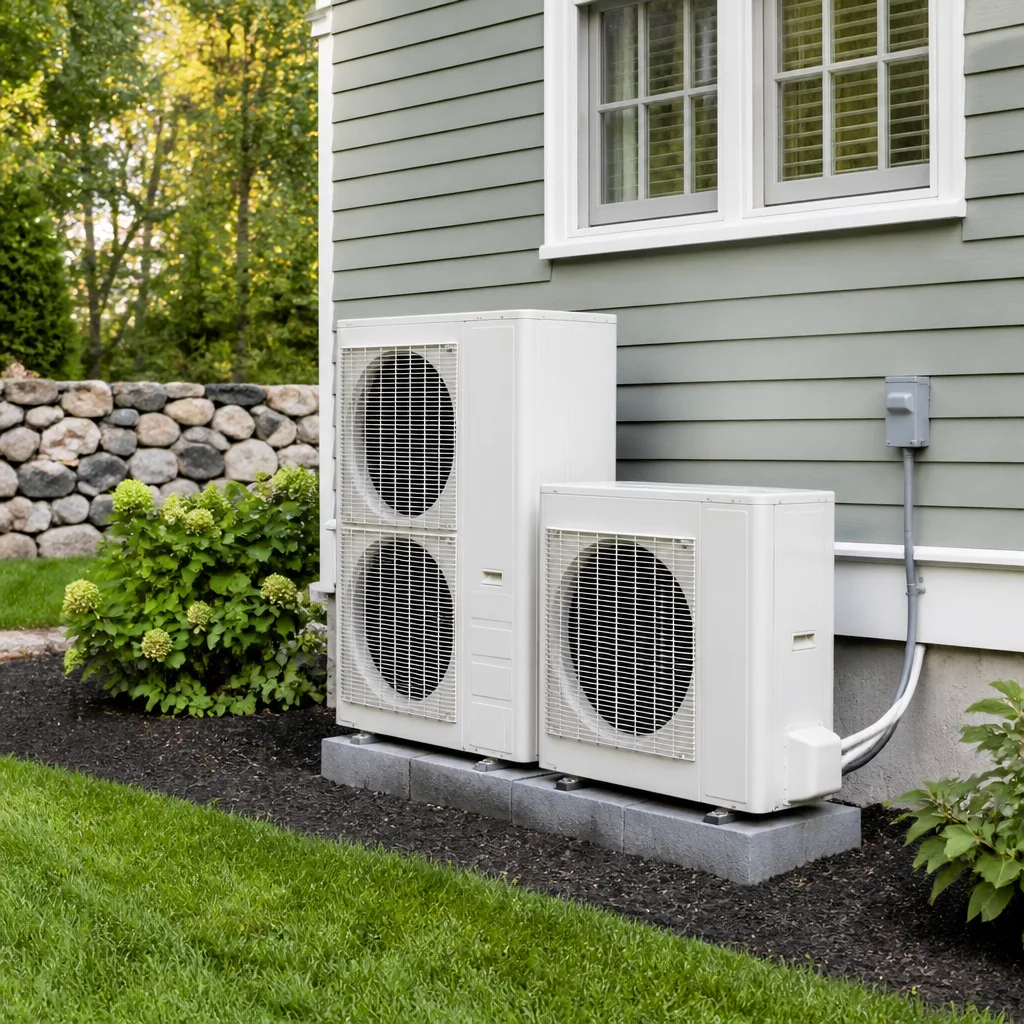 Heat pumps
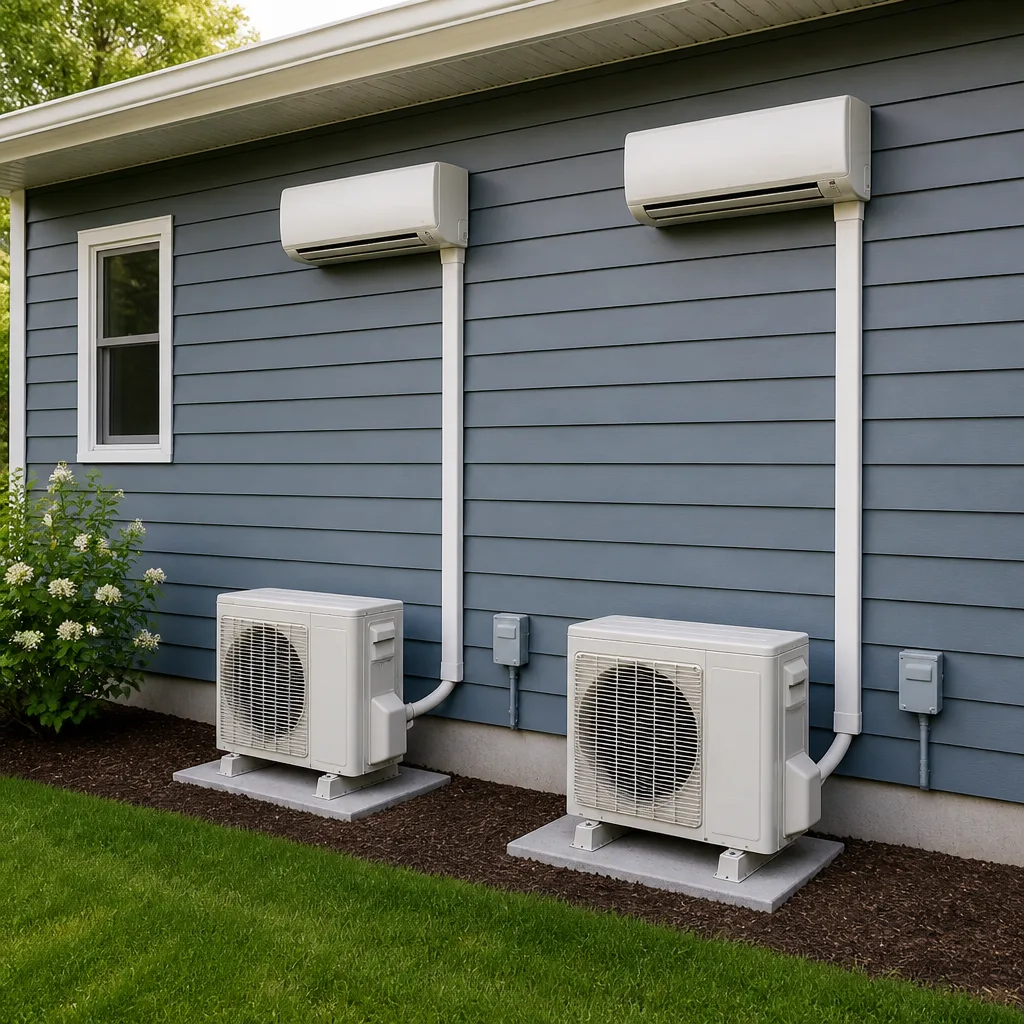 Ductless mini splits
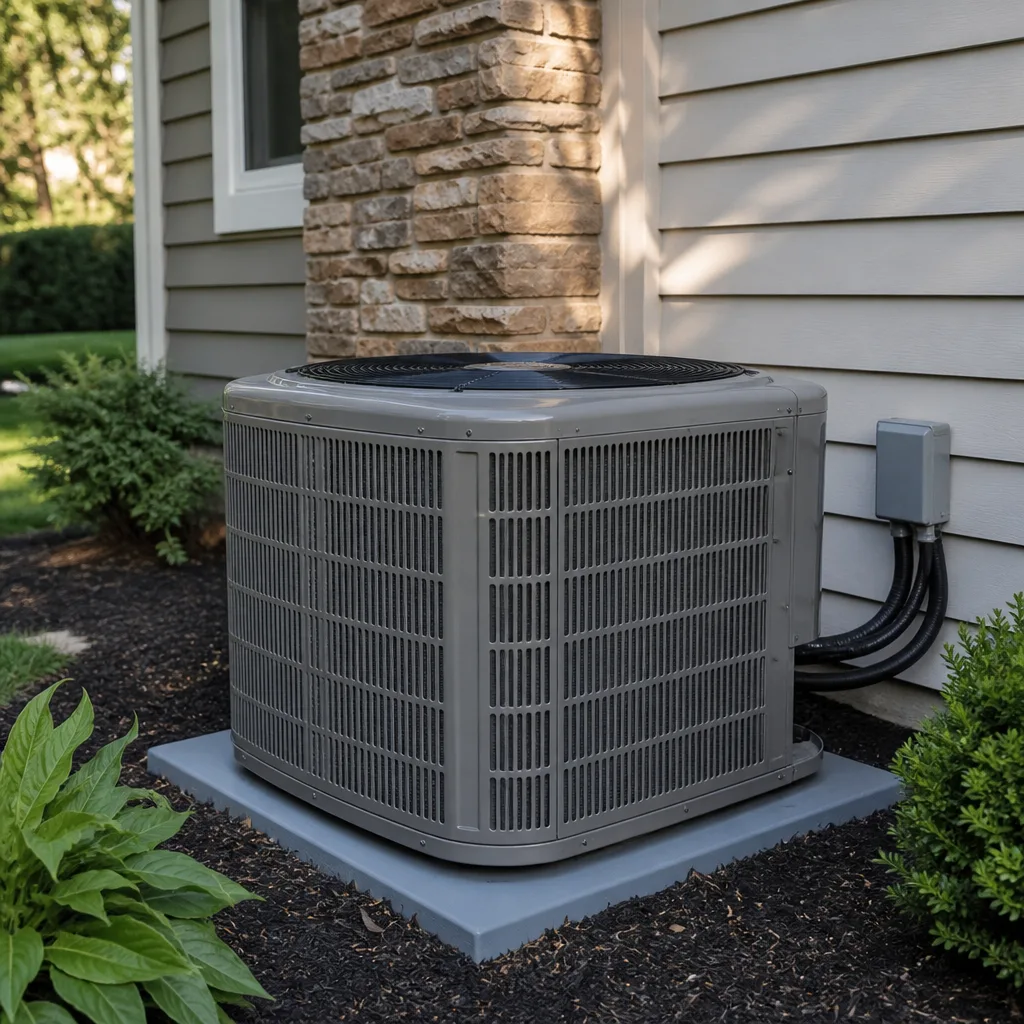 Carrier
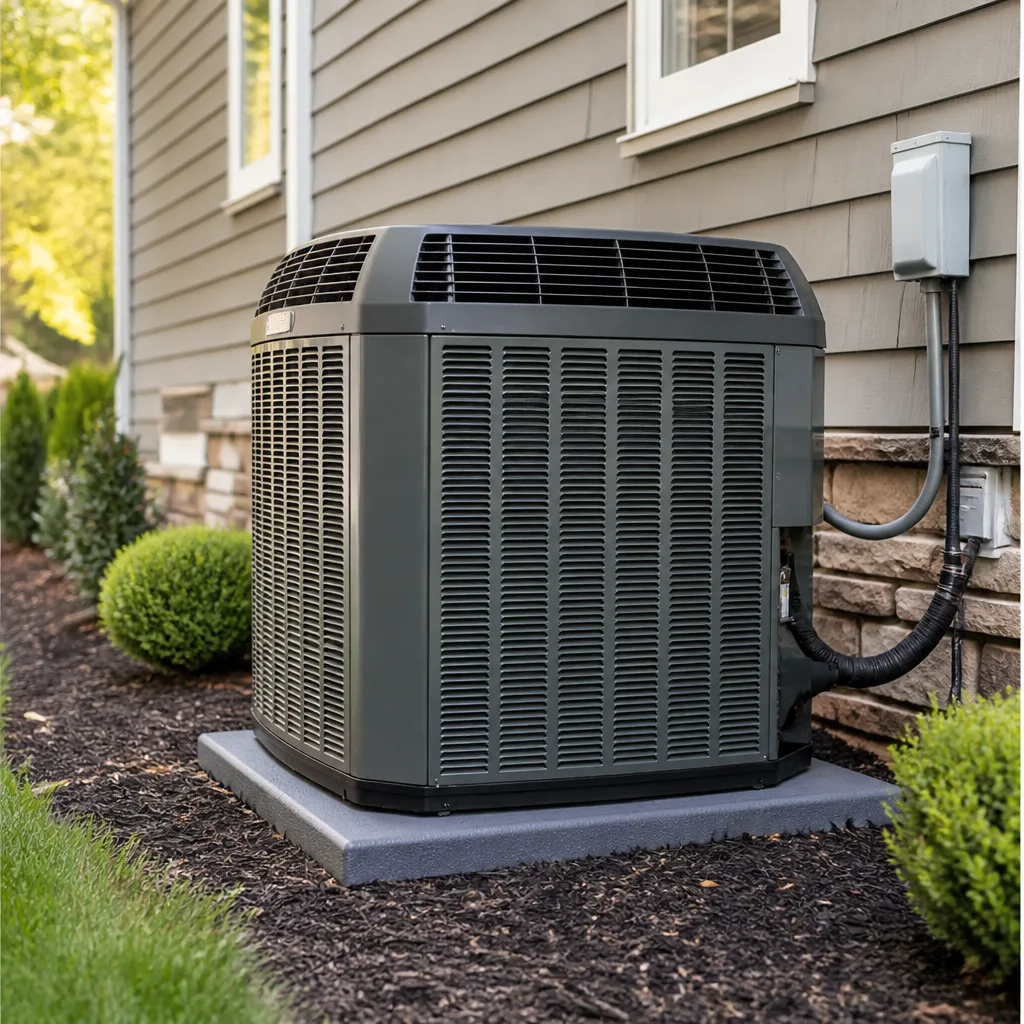 Trane
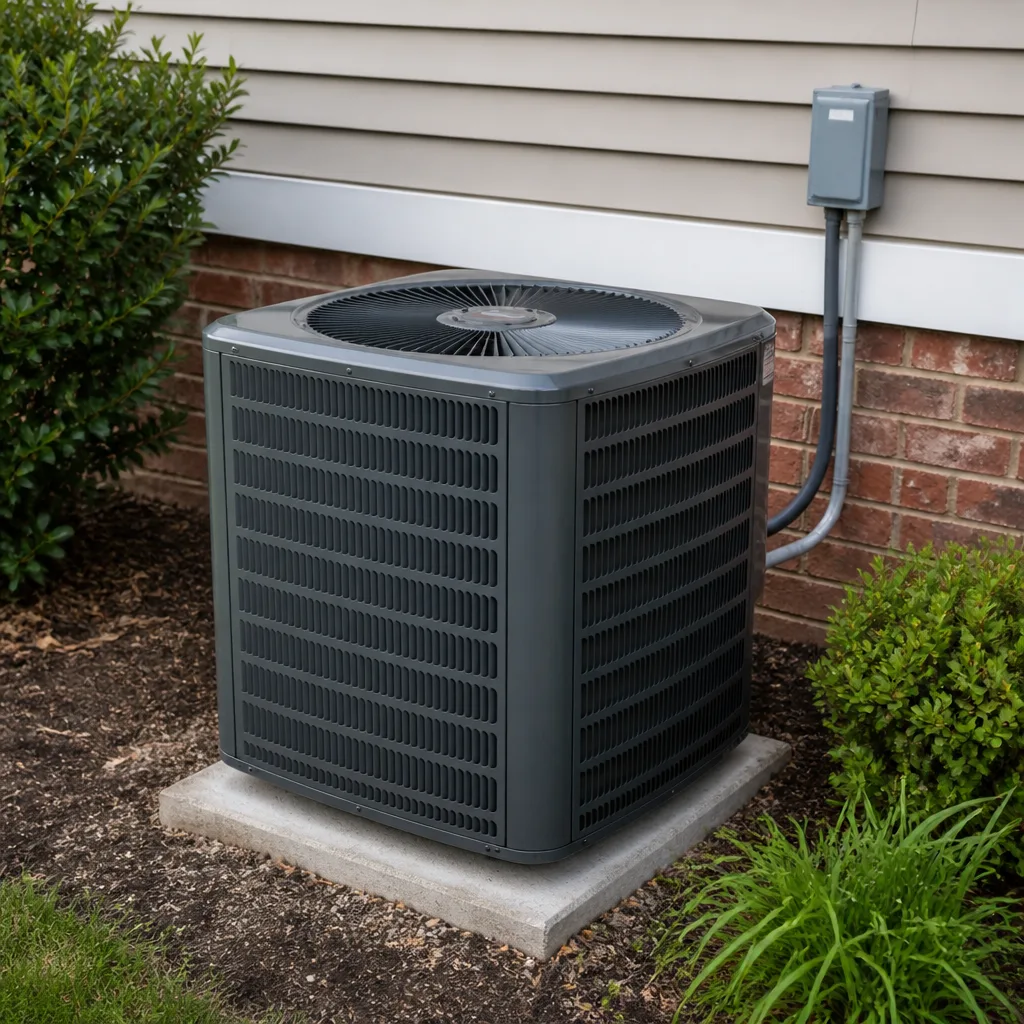 Goodman
Seasonal tune-up and full diagnostic on your Carrier, Trane, or Goodman system - readings shown to you before any repair is proposed
Diagnosis first, numbers second - you approve the repair price before a single part goes in.
Get your free estimateDIY vs Professional HVAC: The Hialeah Homeowner’s Decision Guide
Most homeowners ask the wrong question first. The real question isn’t whether you’re handy enough to swap a capacitor or top off refrigerant, it’s which HVAC tasks the State of Florida actually allows you to perform on your own equipment. That distinction matters more than skill, because some of the most popular tutorials online walk you straight into a federal violation. In this guide, we draw the line clearly: what you can safely and legally do at home in Hialeah, what carries real liability, and how to do the honest math on when a technician saves you money instead of costing you more. You’ll get the legal boundary, the genuinely safe DIY jobs, the risky ones people attempt anyway, and a straight answer on warranty consequences.
Quick Answer
In Hialeah, homeowners can legally and safely handle filter changes, low-voltage thermostat swaps, condensate line clearing, and gentle outdoor coil cleaning. Anything involving refrigerant, gas lines, high-voltage wiring, or the sealed system requires a licensed technician, and handling refrigerant without EPA 608 certification is a federal offense even on equipment you own. For most repairs beyond routine upkeep, a professional call is both the legal path and the cheaper one once you count tools, redo work, and warranty risk.
Styles & brands we work with
- AC repair
- Furnace & heating
- Heat pumps
- Ductless mini splits
- Carrier
- Trane
- Goodman
Table of Contents
- The Legal Boundary: What Florida Lets You Do Yourself
- DIY Tasks That Are Genuinely Safe and Cost-Effective
- High-Risk DIY Attempts We See Too Often in Hialeah
- How a Failed DIY Repair Affects Your Manufacturer Warranty
- The Honest Cost Comparison: DIY vs Professional
- Why Brand Knowledge Changes the DIY Decision
- Common Mistakes to Avoid
- When to Call a Professional
The Legal Boundary: What Florida Lets You Do Yourself
Florida separates HVAC work into two worlds: tasks a homeowner may perform on their own residence, and tasks the state reserves for licensed contractors. The line isn’t vague. It’s drawn around the sealed refrigerant circuit, gas piping, and the electrical work that feeds your system. Crossing it carries consequences that range from a voided warranty to a federal fine.
The refrigerant rule is the one most people have never heard. Under Section 608 of the Clean Air Act, any person who handles regulated refrigerants must hold EPA certification. It doesn’t matter that the condenser belongs to you, that you bought it, or that you watched the whole procedure online. Releasing refrigerant into the air, or servicing the circuit without that certification, is a violation. In Hialeah, where air conditioning runs nearly every day of the year, we’ve seen homeowners try to “top off” a system themselves after buying cans at a local parts store. That’s the exact scenario the law is written to prevent.
Here’s the practical split:
- Yours to handle: filter replacement, thermostat battery or battery-free swap on low-voltage wiring, condensate drain flushing, clearing debris around the outdoor unit, gentle coil fin straightening.
- Requires a licensed contractor: any refrigerant addition or recovery, compressor or sealed-system work, gas furnace piping and combustion components, high-voltage electrical connections, full system installation.
If you’re ever unsure which side a task falls on, the answer is to ask before you start. A quick call to a heating and cooling specialist costs nothing. A refrigerant release can cost a great deal.
DIY Tasks That Are Genuinely Safe and Cost-Effective
Some maintenance genuinely belongs in your hands, and doing it well extends equipment life in a Hialeah home where the system rarely gets a break. These jobs need no special tools, no certification, and no risk to the sealed system.
- Change the filter on schedule. This is the single highest-value task you own. A clogged filter strains the blower, drives up runtime, and can freeze a coil. In a home with pets or during heavy summer use, check it monthly and replace when it looks loaded.
- Flush the condensate drain line. South Florida humidity means your system pulls gallons of water from the air every day. Algae and sludge build up in the drain, and a clog backs water into the drain pan or the ceiling below. Pour a cup of distilled white vinegar down the access port a few times a year to keep it flowing.
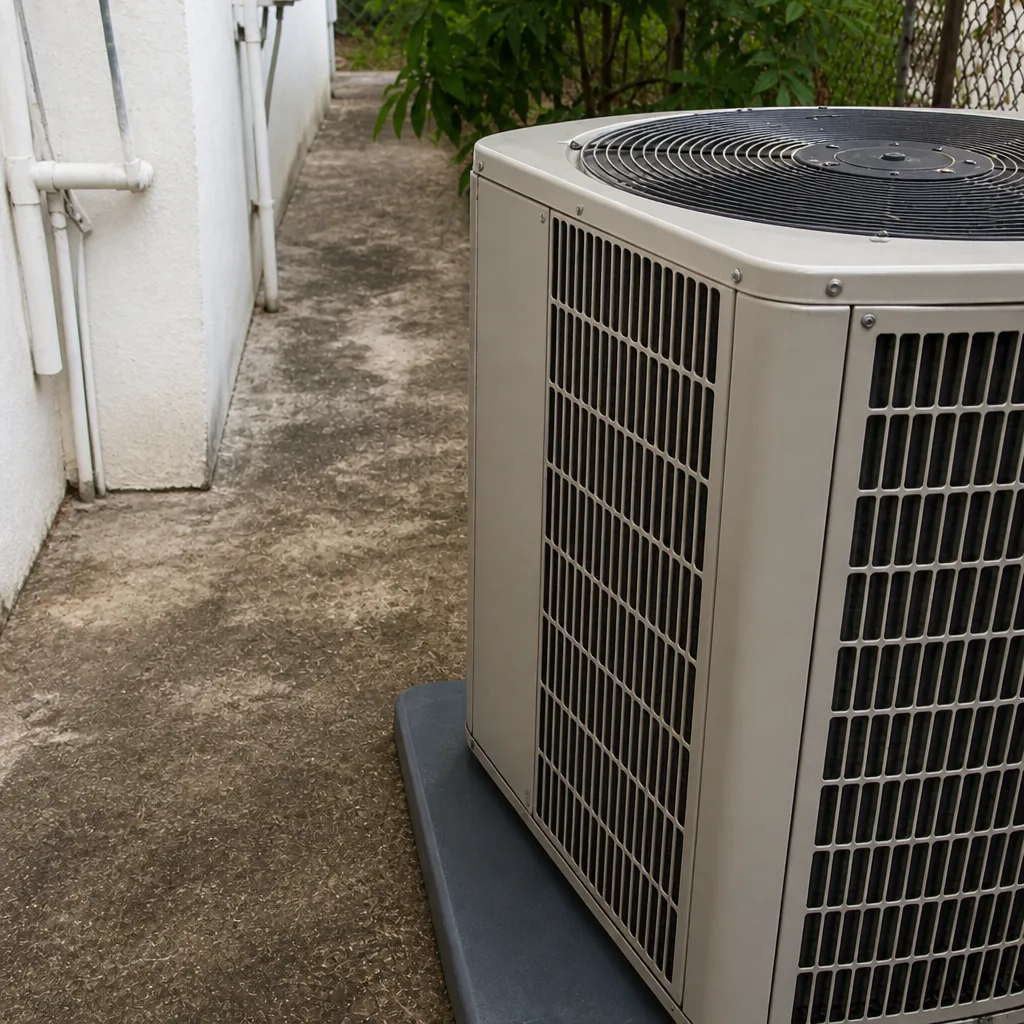
- Clear the outdoor unit. Trim vegetation back from the condenser, clear leaves and debris from the top grille, and rinse the fins gently with a garden hose from the inside out. Never use a pressure washer; it flattens the fins and cuts efficiency.
- Straighten bent coil fins. A cheap fin comb from a hardware store lets you comb the outdoor fins back into alignment after storm debris or a stray soccer ball bends them. Bent fins block airflow.
- Install a smart thermostat on a low-voltage system. If your system uses a standard 24-volt control wire, swapping the thermostat is a legitimate DIY project. Turn off the air handler breaker first and photograph the wiring before you disconnect anything.
Those five tasks cover a surprising share of the maintenance a Hialeah system needs. The rest belongs to someone trained to touch the parts that carry refrigerant, gas, or line voltage.
High-Risk DIY Attempts We See Too Often in Hialeah
We’re not being dramatic when we say some DIY shortcuts create real danger. These are the ones that turn a small repair into a large one, and they show up in Hialeah homes more than you’d expect because the climate hides the symptoms until something fails.
Refrigerant top-offs that mask a leak. A system that’s low on refrigerant has a leak, period. Refrigerant doesn’t get used up like gasoline. Adding more without finding the leak means the system runs undercharged or overcharged, the compressor works harder, and the actual problem never gets fixed. It buys you a few weeks and costs you a compressor later.
Duct tape repairs in attic heat. Attics in Hialeah routinely reach temperatures that bake the adhesive on standard duct tape. The tape peels within weeks and the leak returns. Proper duct sealing uses mastic or foil-backed tape rated for the temperature, applied by someone who knows how to reach the joints safely.
Capacitor swaps without a proper discharge. The start and run capacitors hold a charge even after the power is off. Touching the terminals without discharging them properly can deliver a painful shock. Capacitors also fail for a reason; a weak capacitor often points to a failing motor or a larger electrical fault, and swapping the part without diagnosing it just repeats the failure.
Gas furnace tinkering. Any work involving gas piping, the heat exchanger, or combustion components is both legally restricted and genuinely dangerous. A cracked heat exchanger can release carbon monoxide into your living space. That’s not a job for a weekend tutorial, ever.
When in doubt, stop. The cost of a professional diagnosis is small next to the risk these shortcuts carry.
How a Failed DIY Repair Affects Your Manufacturer Warranty
Manufacturer warranties on major-brand equipment from Carrier, Trane, Lennox, or American Standard typically protect against defects in materials and workmanship, not against damage from improper installation or unauthorized repairs. The key phrase is usually “authorized service” or “qualified technician.” When a homeowner attempts a repair that goes wrong, the manufacturer can reasonably deny a claim tied to that component.
Here’s how this plays out in practice:
- Covered failure: a compressor fails on a properly installed, professionally maintained system still inside its warranty window. The manufacturer covers parts according to its terms.
- Claim opened to doubt: the same compressor fails after a homeowner added refrigerant without certification or swapped electrical components. The service history now shows unauthorized work, and the manufacturer may question whether that work caused the failure.
Registered warranties, documented maintenance, and a clean service record all work in your favor. A homeowner who changes filters and clears the drain protects the warranty. A homeowner who opens the sealed circuit puts it at risk. That’s another reason the legal boundary and the warranty boundary line up so neatly.
If you’ve already attempted a repair and aren’t sure whether you’ve affected coverage, tell the technician when you call. An honest service history is easier to work with than a surprise.
The Honest Cost Comparison: DIY vs Professional
We won’t pretend a technician is always cheaper. Sometimes it isn’t, and homeowners deserve a straight answer. The real math compares the visible cost of a repair against the invisible costs of tools you’ll use once, time you can’t get back, and a redo when the first attempt didn’t hold.
Here’s the honest breakdown:
- Filter changes and drain flushing: clear DIY win. A filter costs a few dollars and takes a minute. A technician call for either is overkill.
- Thermostat replacement: DIY can win if your wiring is standard and low-voltage. If you have a heat pump with auxiliary heat, a communicating system, or a wiring harness you can’t trace confidently, the professional call is worth it.
- Capacitor or contactor replacement: close call. A capacitor costs little, but a misdiagnosis costs the part plus the real fix plus a technician call. If you can trace the fault with a multimeter and you’re confident, DIY is reasonable. If not, call.
- Refrigerant, compressor, sealed-system work: never DIY. The legality alone settles it, and the risk of a compressor failure far outweighs any savings.
- Full system replacement: never DIY. Load calculations, refrigerant charge, and electrical sizing all carry code and warranty consequences.
Our guidance to Hialeah homeowners is simple: own the maintenance, hire out the systems work. That’s the split that saves money without carrying risk.
Why Brand Knowledge Changes the DIY Decision
One more variable worth naming: your equipment’s specific make and model. A repair that’s straightforward on one brand can be genuinely tricky on another, and that difference should push you toward a technician sooner.
At Banner AC Repair we work on equipment from Carrier, Trane, Lennox, Goodman, Rheem, York, Daikin, Bryant, and American Standard, and the truth is that each has its own failure patterns. A Carrier system’s service valves sit differently than a Trane’s. A Goodman control board reads differently than a Lennox. When a homeowner calls us, the technician already knows the equipment on the truck before arriving.
That matters for the DIY decision because the harder your brand is to service without specific training, the more likely your “quick swap” turns into a second visit. Our technicians have up to 10 years of experience across those nine brands, and even they consult wiring diagrams on unfamiliar revisions. There’s no shame in calling one in.
Common Mistakes to Avoid
- Buying refrigerant online and adding it yourself. This is a federal violation without EPA 608 certification, and it masks the real leak that’s causing the low charge. Always let a licensed technician recover, repair, and recharge.
- Using standard duct tape for attic repairs. Hialeah attic temperatures bake the adhesive and the joint reopens within weeks. Proper sealing uses mastic or foil-backed tape rated for the heat.
- Replacing a capacitor without diagnosing why it failed. A capacitor often dies because the motor it serves is failing. Swapping the part without checking the winding resistance leads to a repeat failure and a bigger bill.
- Assuming “low refrigerant” means “add some.” Refrigerant doesn’t get consumed. If the system is low, there’s a leak to find, not a top-off to perform.
- Wiring a smart thermostat without photographing the original. A single misrouted wire on a heat pump system can disable auxiliary heat or trigger a fault code. The photo takes ten seconds and saves hours.
- Ignoring a slow drain pan drip. That’s usually the condensate line backing up. Left alone, the water reaches drywall or the ceiling below. Flushing the line is the cheap fix.
- Pressure-washing the outdoor coil. High pressure flattens fins and reduces the unit’s ability to shed heat. A garden hose and a fin comb do the job safely.
When to Call a Professional
Call a licensed technician when the task touches refrigerant, gas, or high-voltage wiring, and call when you’re not certain of your diagnosis. Also call when a system has failed after a DIY attempt. A technician who walks into a known botched repair can usually recover the situation quickly; one who walks into an unmentioned mistake spends extra time finding it.
Two other situations warrant a call. The first is when a homeowner has an equipment brand with which they’re unfamiliar. We see this often in Hialeah, where homes carry decades of brand turnover and a Carrier indoor unit might run beside a Trane condenser. The second is when you’re weighing repair against replacement. An experienced technician can tell you which makes financial sense.
If your heating stops in the middle of a Hialeah cold snap, or cooling fails during a July heat wave, that’s not a DIY day. Hialeah temperatures leave little margin for a stalled system, especially for children or older adults in the home. Banner AC Repair offers free estimates in Hialeah. Call (866) 806-7345. We answer 24/7. Fast dispatch from 7am to 7pm, Sunday through Friday. Book furnace repair or AC installation when the equipment needs work beyond what you can safely handle.
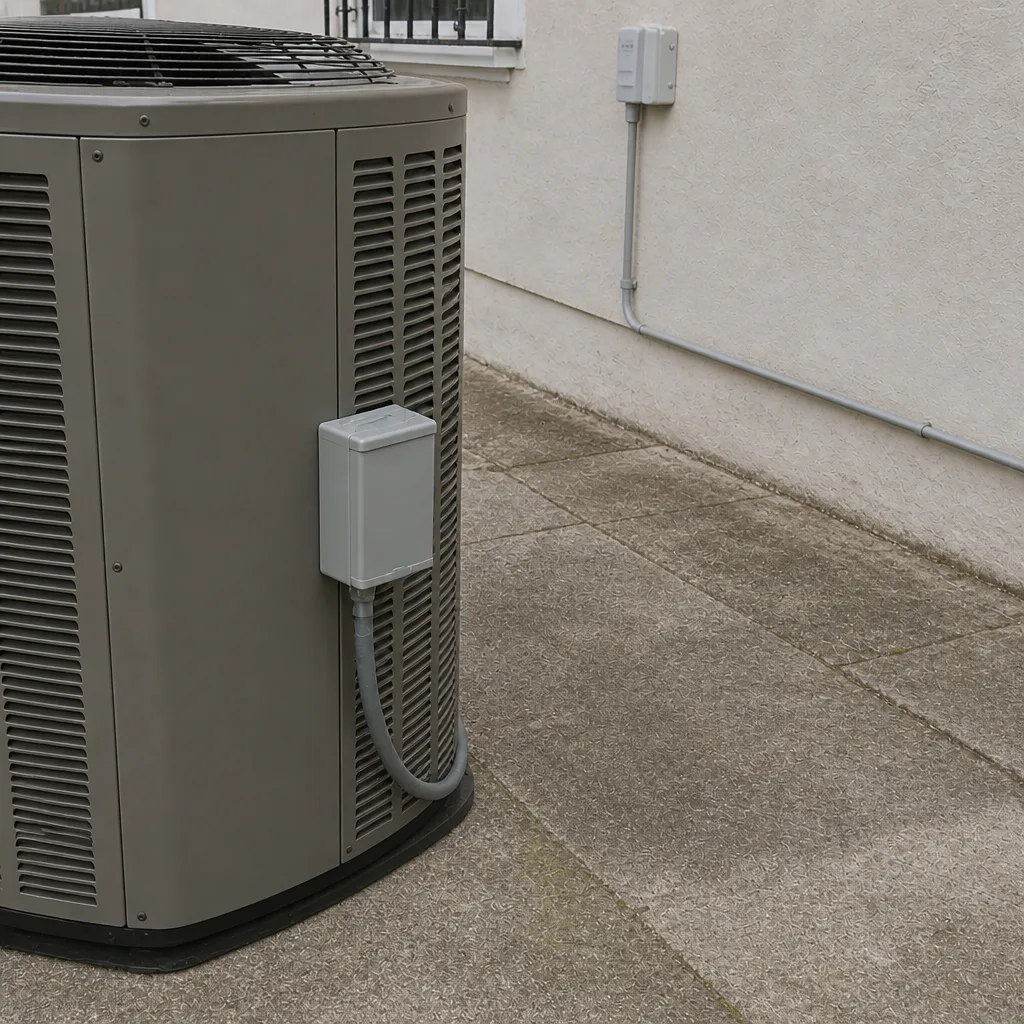
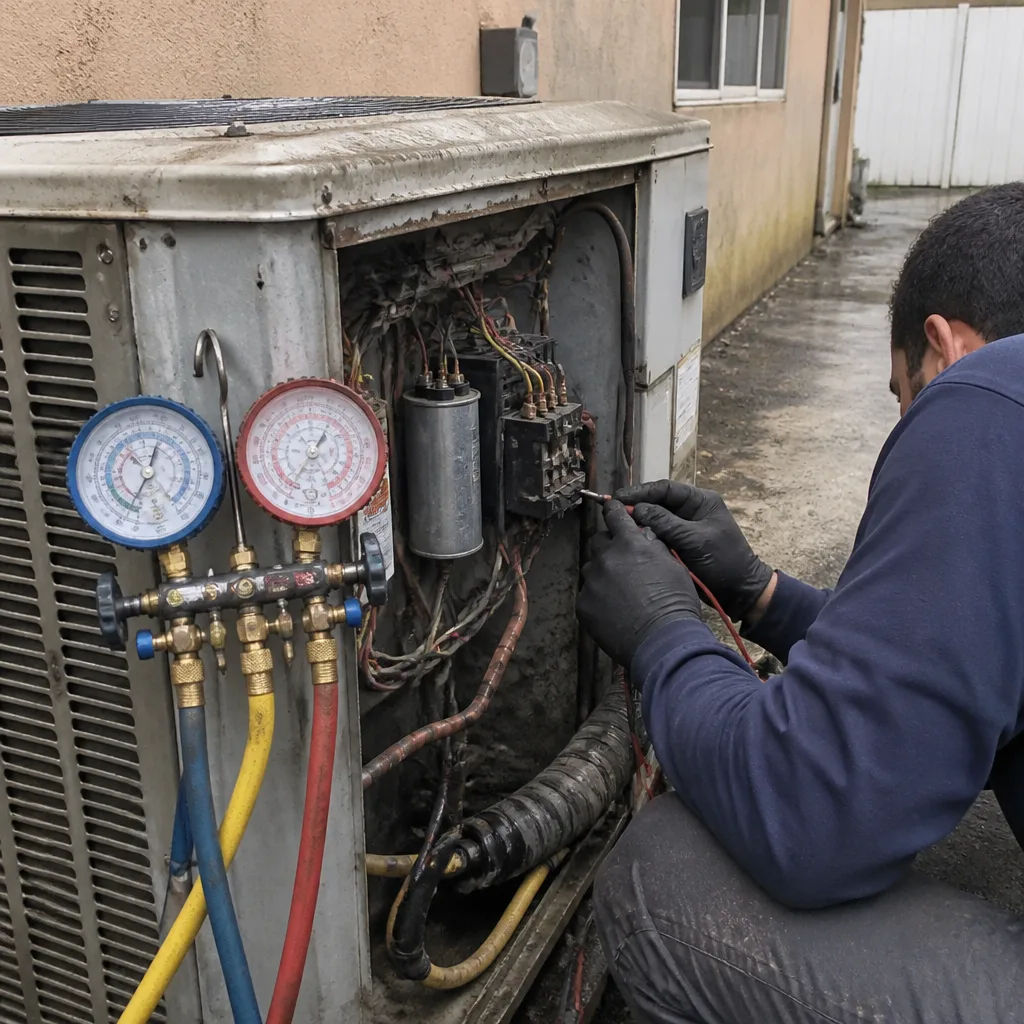
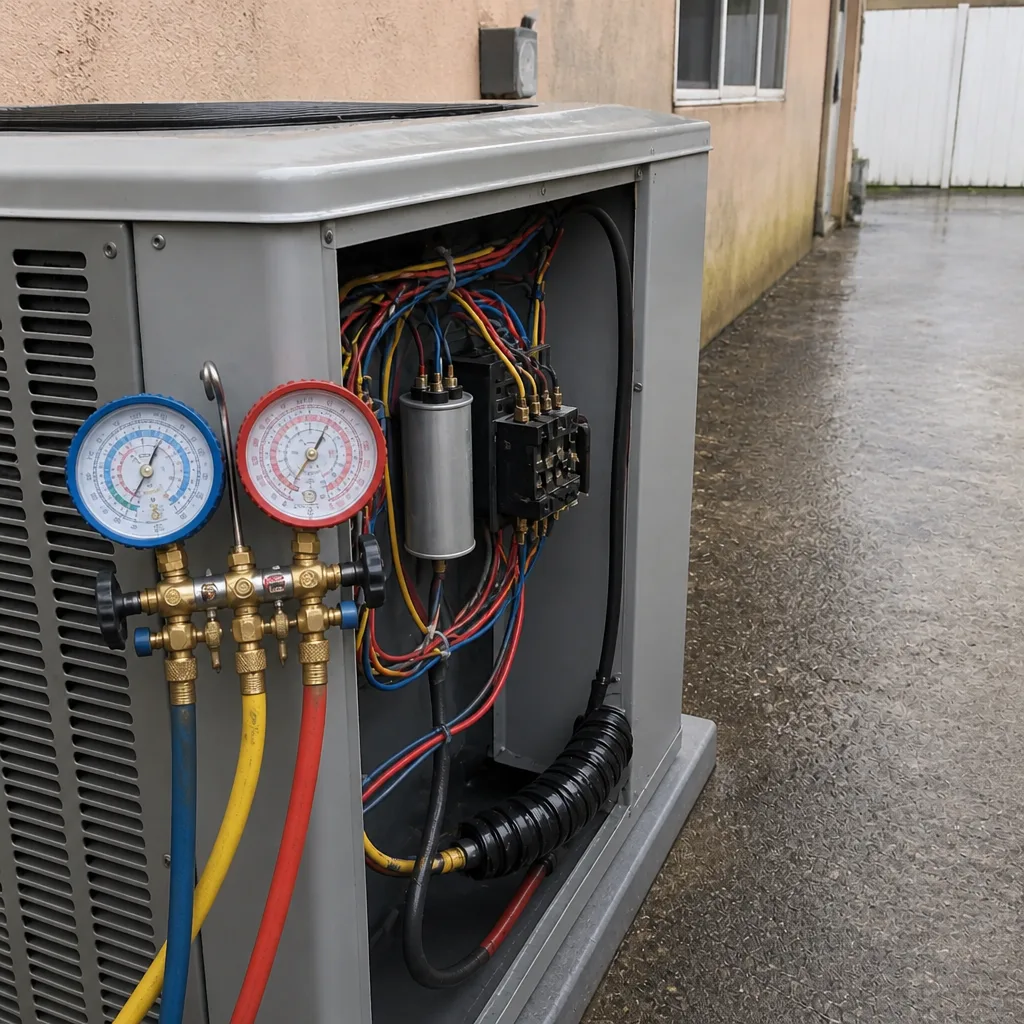
See the difference
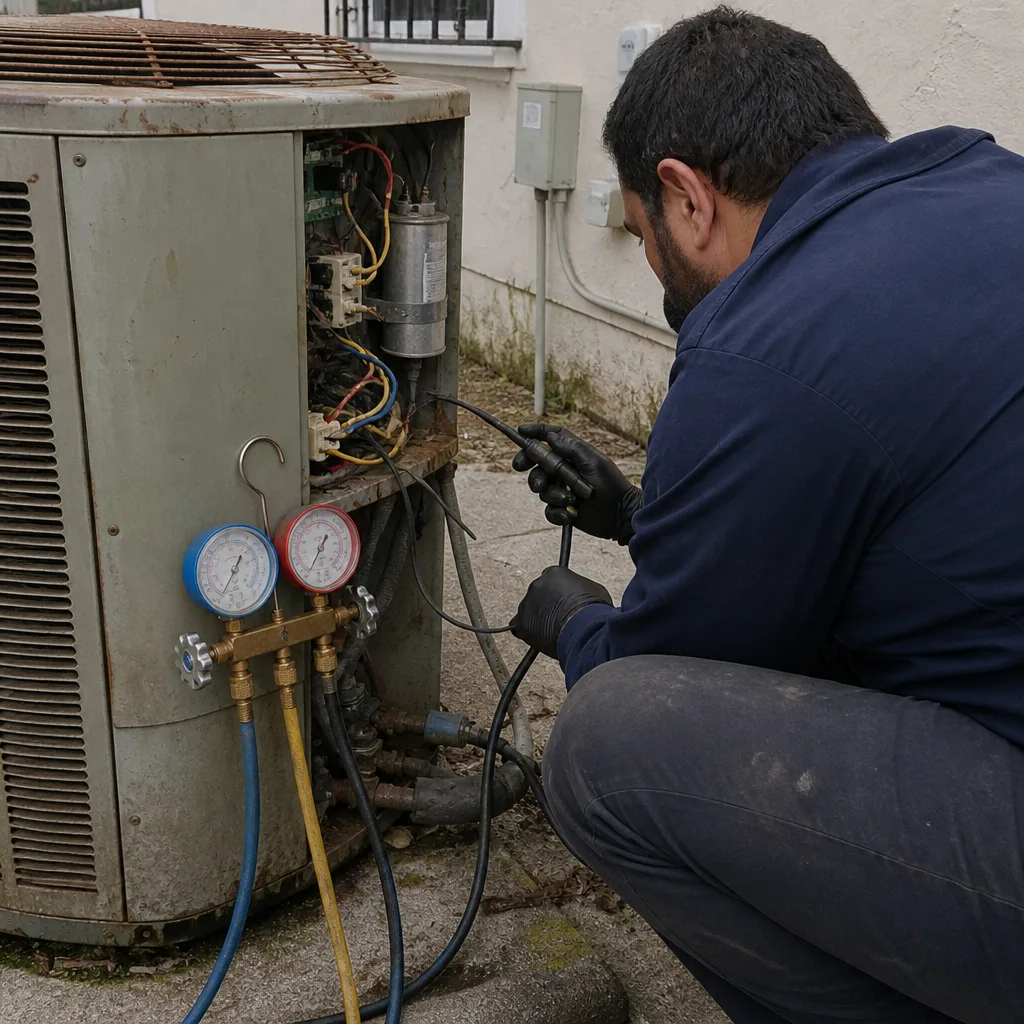 Before
 After
 Before
 After
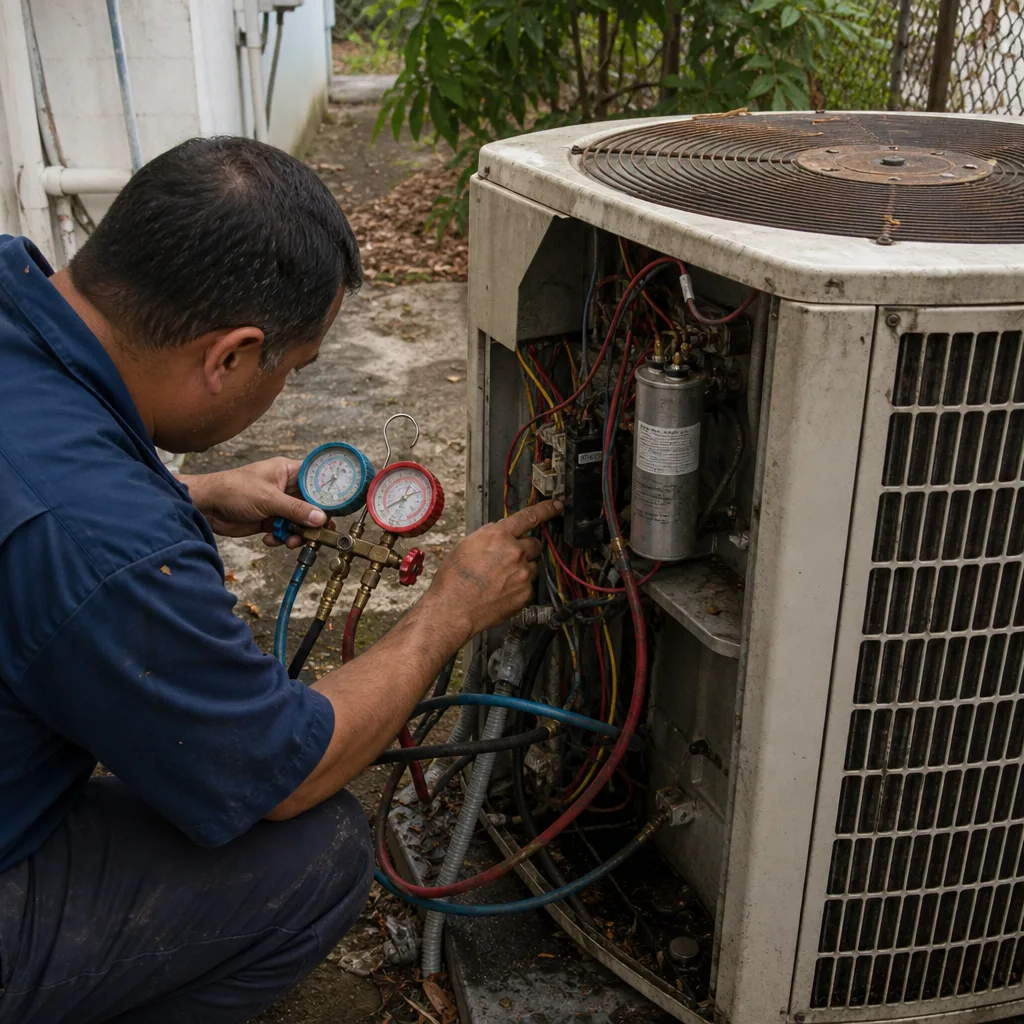 Before
 After
Frequently Asked Questions
No. Handling regulated refrigerants requires EPA Section 608 certification, and it applies even when you own the equipment. Adding refrigerant without certification is a federal violation, and it also masks the underlying leak. Call a licensed technician to recover, repair, and recharge the system properly. Call (866) 806-7345 for an exact quote; estimates are free.
Filter changes, low-voltage thermostat swaps, condensate drain flushing, outdoor unit clearing, and gentle fin straightening are all safe and legal for homeowners. These tasks cover the majority of routine maintenance the local climate demands. Anything involving refrigerant, gas piping, high-voltage wiring, or the sealed system belongs to a licensed technician.
Manufacturer warranties typically exclude damage from improper or unauthorized repairs, so a failed DIY attempt can lead the manufacturer to deny a claim tied to that component. Documented maintenance and professional service history protect your coverage. If you’ve already attempted a repair, tell the technician when you call so the service history stays clear.
Refrigerant doesn’t get used up. If a system needs a top-off, there’s a leak somewhere in the sealed circuit that needs to be found and repaired before adding more. Topping off without fixing the leak is a short-term patch that strains the compressor. A licensed technician can pressure-test the system and locate the leak. Call (866) 806-7345 for a diagnosis; estimates are free.
Yes, if your system uses standard low-voltage control wiring and you’re comfortable identifying the wire terminals. Turn off the air handler breaker and photograph the existing wiring first. Heat pump systems with auxiliary heat and communicating systems are trickier and are better handled by a technician. If your wiring doesn’t match the new thermostat’s diagram, stop and call.
Whenever the task involves the sealed system, gas, or high-voltage work, since the legal and safety consequences outweigh any savings. It’s also cheaper when you’re not confident in the diagnosis, because a misdiagnosed repair costs the part, the real fix, and a technician visit. Maintenance tasks like filter changes and drain flushing are genuinely cheaper to do yourself.
The Bottom Line
The DIY-versus-pro question comes down to one rule: own the maintenance, hire out the systems. Changing your filter, flushing the condensate line, clearing the outdoor unit, and swapping a low-voltage thermostat are yours to handle, and they’ll extend the life of any brand. Refrigerant work, gas furnace components, high-voltage wiring, and full system installation are licensed work, and crossing that line carries federal and warranty consequences that no tutorial mentions. In our experience, homeowners who draw that line clearly save more over the life of the system than those who try to do everything themselves. Heating and cooling handled by one team makes the boundary easy to respect.
If you’re in Hialeah and unsure which side of the line a task falls on, call Banner AC Repair at (866) 806-7345 for a free estimate. We answer 24/7. Fast dispatch from 7am to 7pm, Sunday through Friday. Whether your American Standard condenser needs a repair or your Lennox system needs a full replacement, we’ll give you the right answer, not the expensive one.
Written by the team at Banner AC Repair.