
Last updated November 15, 2026
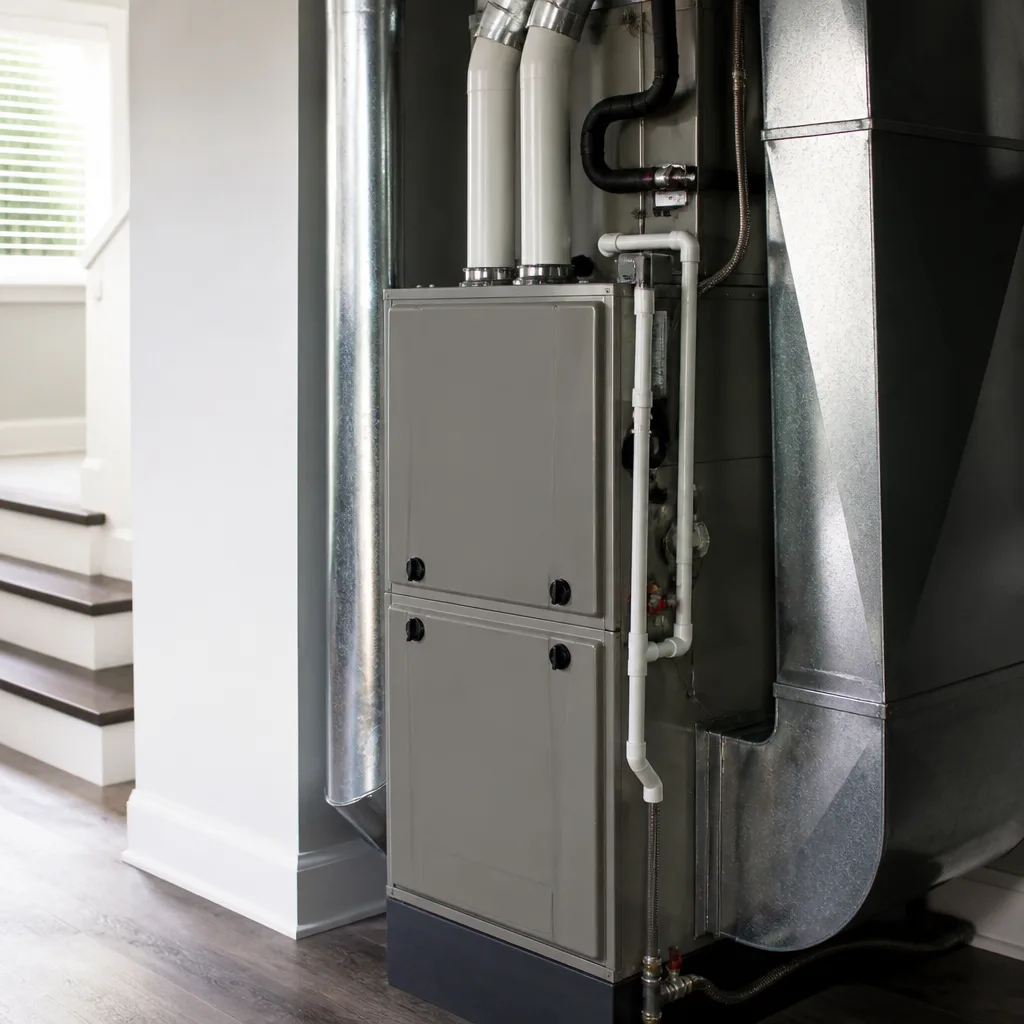 Furnace & heating
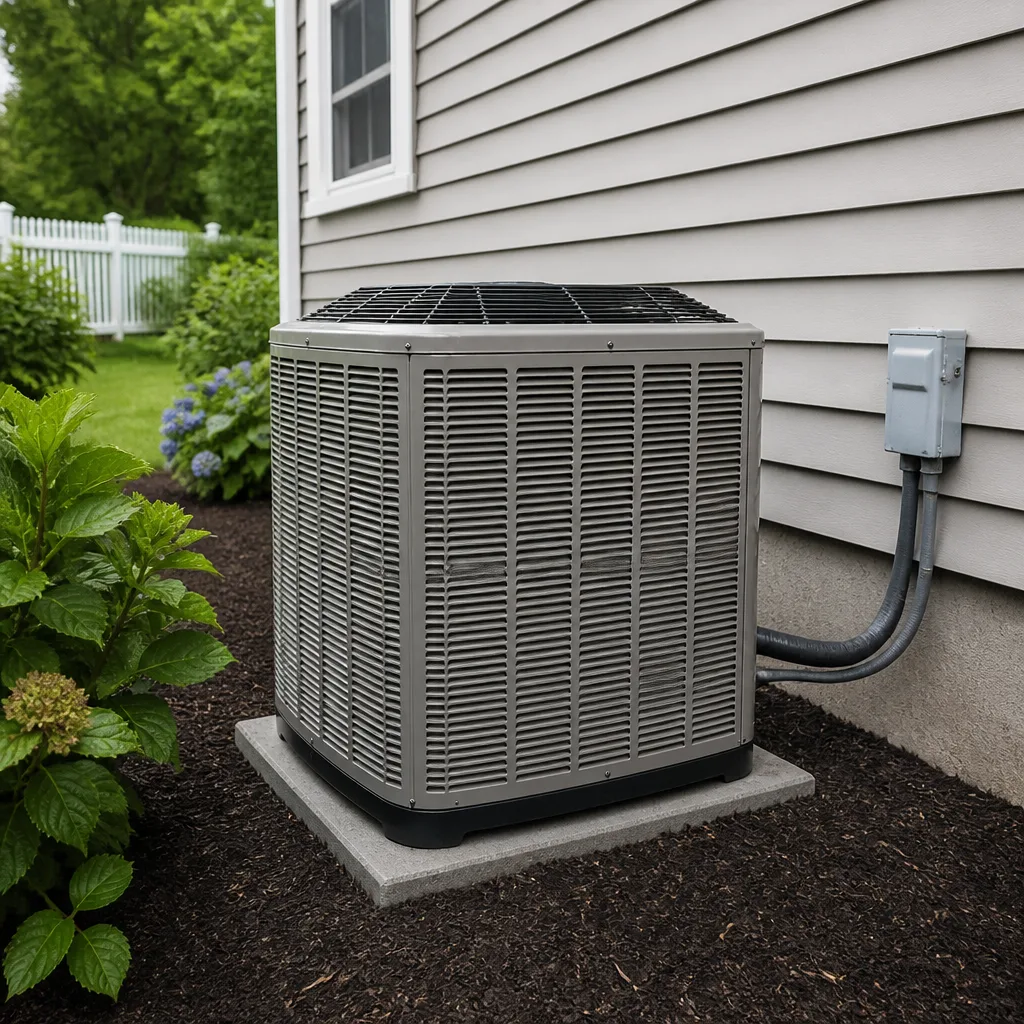 AC repair
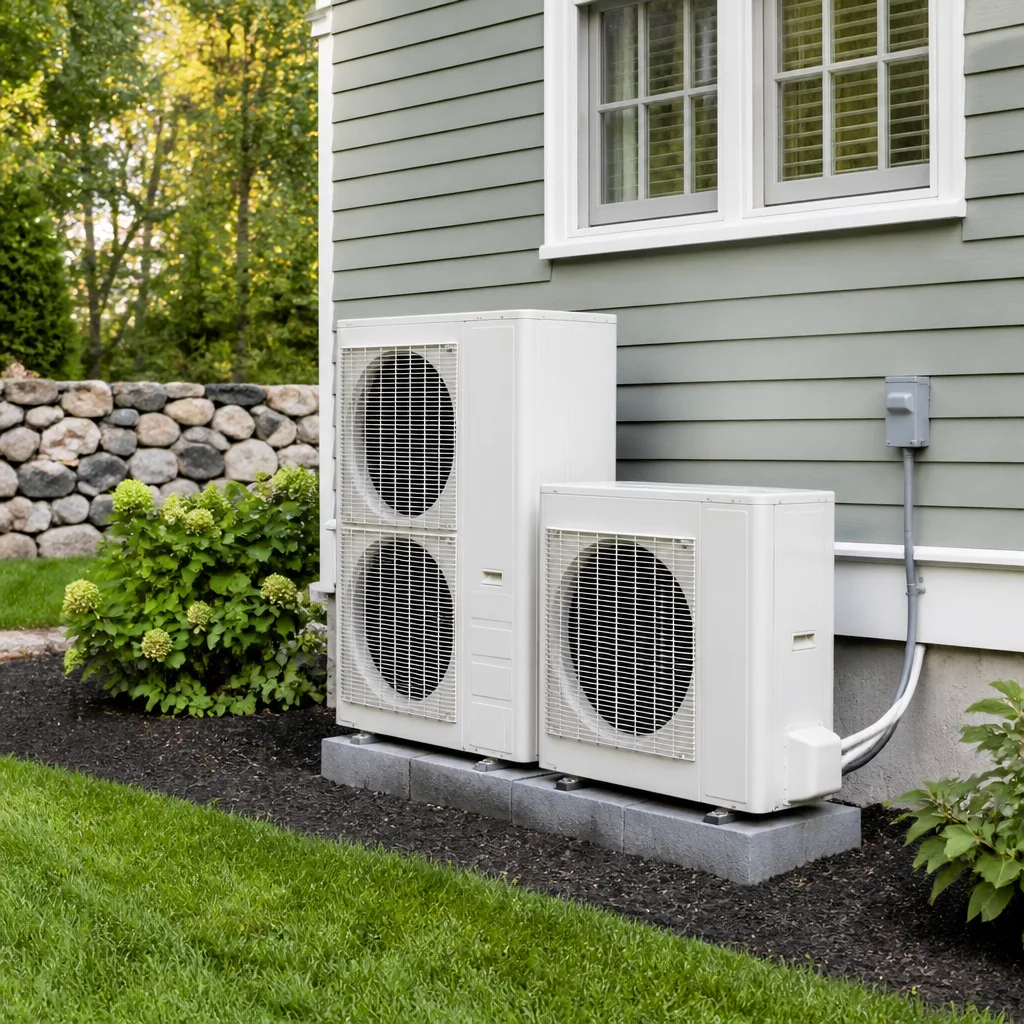 Heat pumps
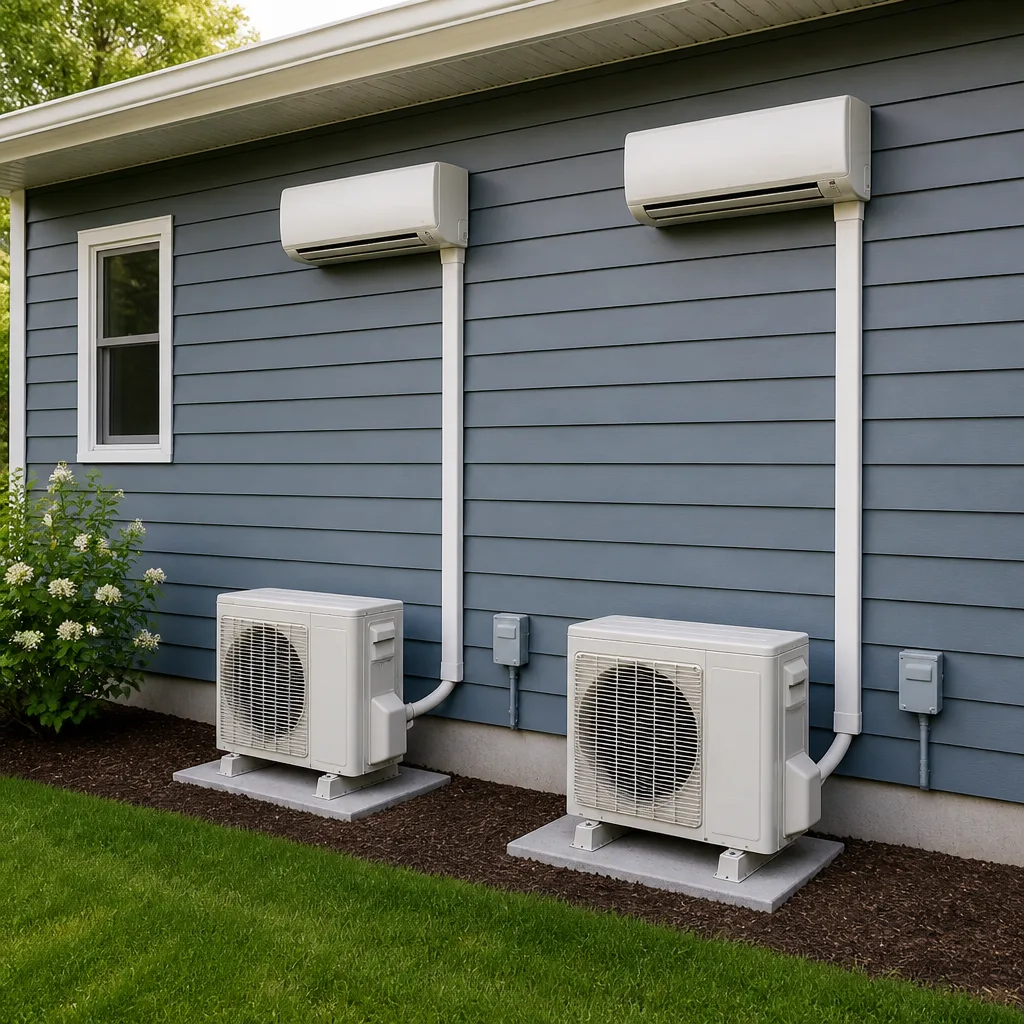 Ductless mini splits
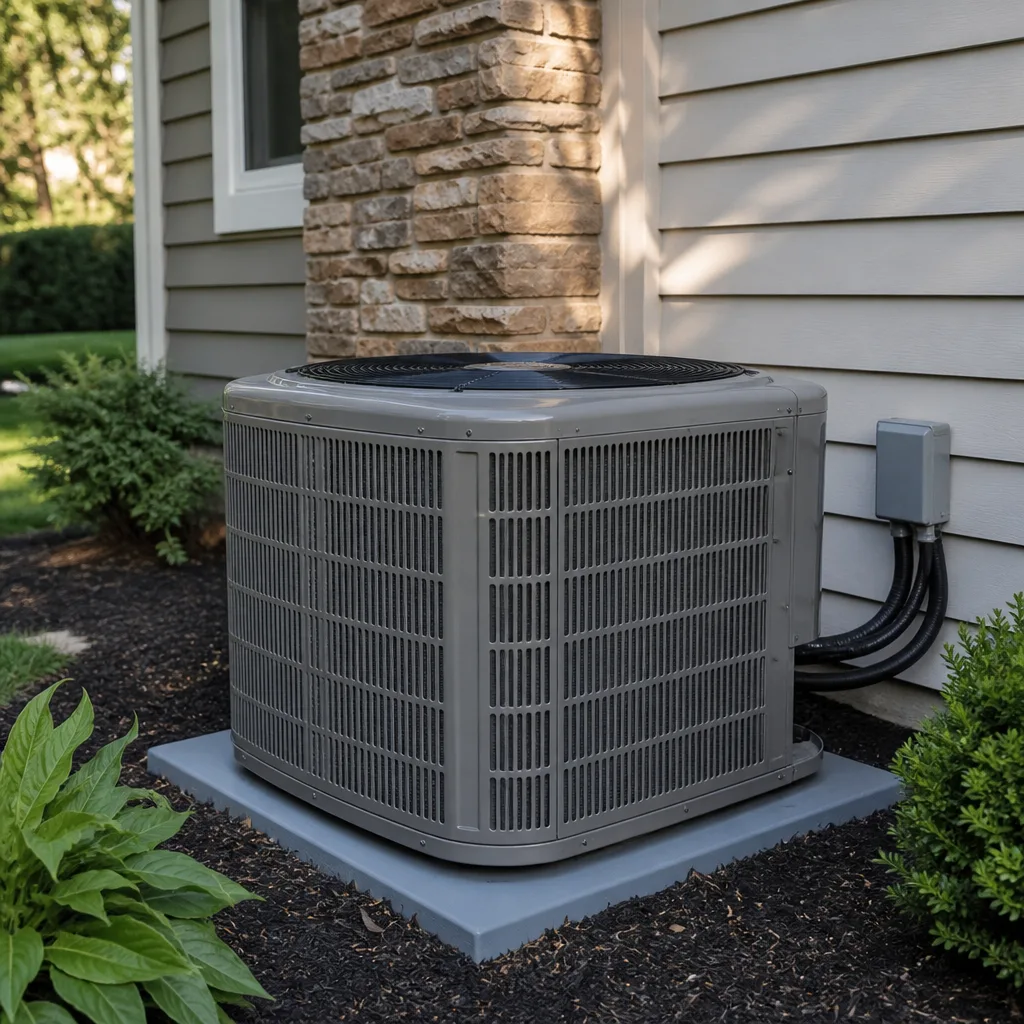 Carrier
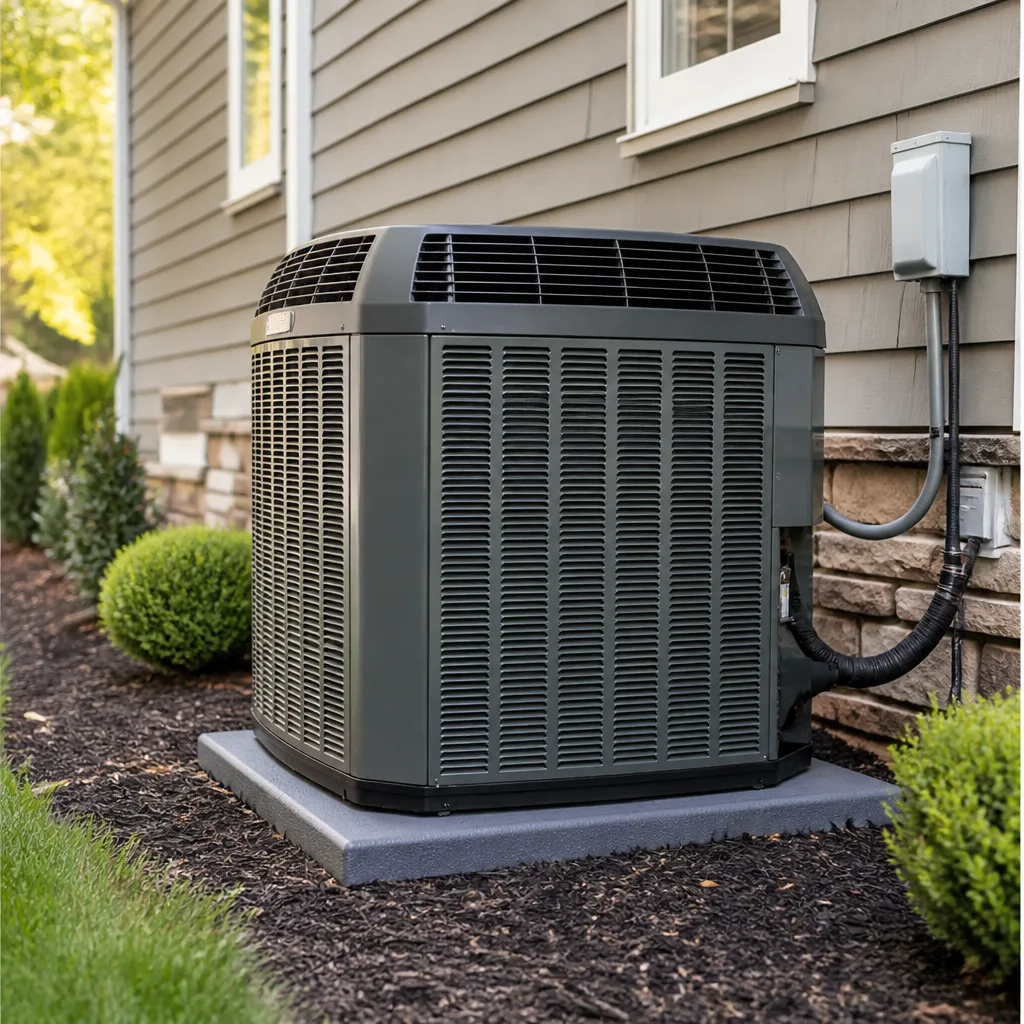 Trane
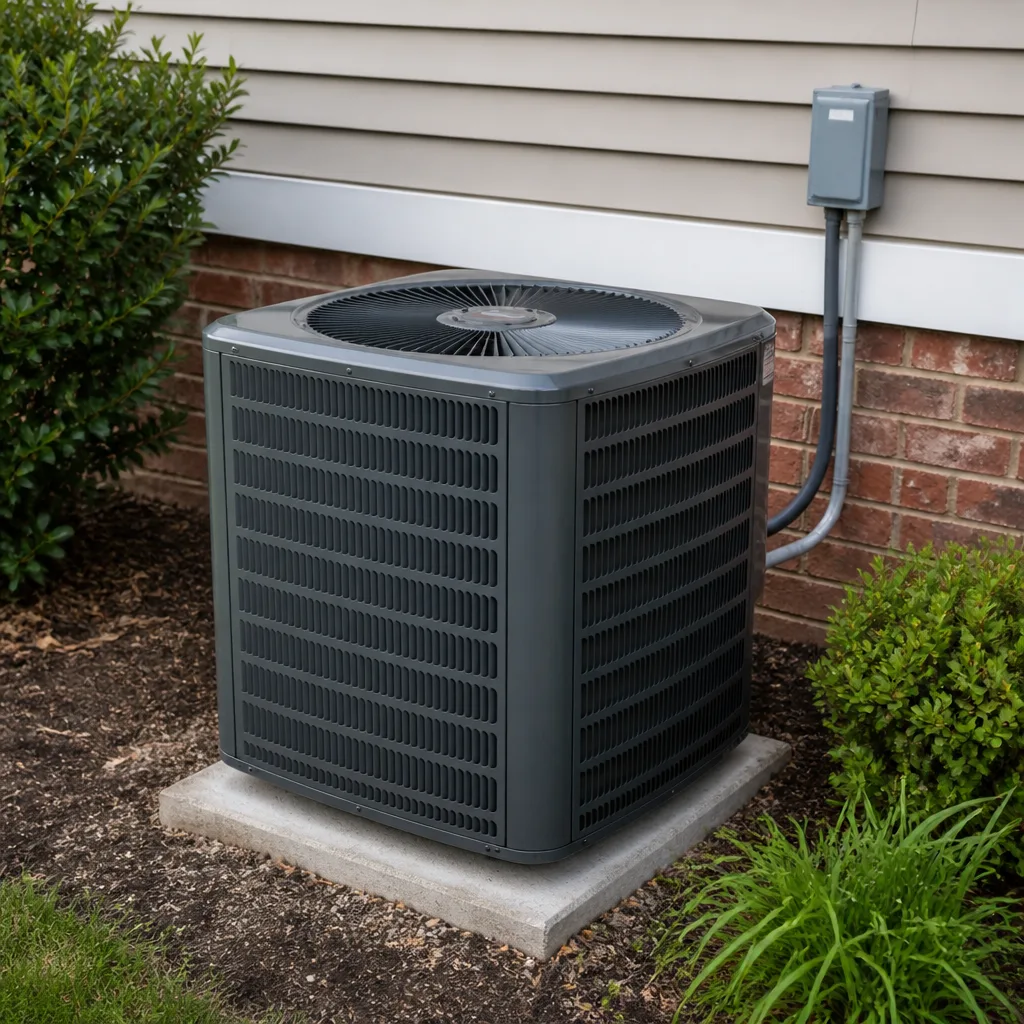 Goodman
Seasonal tune-up and full diagnostic on your Carrier, Trane, or Goodman system - readings shown to you before any repair is proposed
Diagnosis first, numbers second - you approve the repair price before a single part goes in.
Get your free estimateThe Complete Furnace Replacement Guide for Hialeah Homeowners
Here’s a number that surprises most homeowners we talk to in Hialeah: a typical house here runs its furnace fewer than 300 hours a year. That single fact changes almost everything about how a replacement should be planned. A furnace that would be badly undersized in Ohio can be a reasonable match in South Florida, and a slightly oversized unit that would announce itself loudly in a cold climate can short-cycle so rarely here that the wear builds quietly for years before anyone notices. Most furnace guides are written for places with real winters, and they get the sizing, the humidity question, and the permit side wrong for Hialeah. This guide covers what actually matters here, from load calculations to Miami-Dade permitting to when an efficiency rating is worth paying for and when it isn’t.
Quick Answer
Replacing a furnace in Hialeah starts with a room-by-room load calculation, not a copy of your old unit’s size. The new furnace should be sized to your home’s actual heating load, matched to a cooling-first duct system, and permitted through Miami-Dade County before installation. In a climate with roughly 300 heating hours a year, mid-tier efficiency is usually the smarter buy, and a properly sized single-stage or two-stage unit will outperform an oversized high-efficiency model. Get a written fixed price, a set install date, and the permit handled before any work begins.
Styles & brands we work with
- AC repair
- Furnace & heating
- Heat pumps
- Ductless mini splits
- Carrier
- Trane
- Goodman
Table of Contents
- Why Load Calculations Matter More in Hialeah Than Almost Anywhere
- How Hialeah’s Cooling-First Duct Systems Affect Furnace Airflow
- Humidity, Staging, and the Case for Modulating Furnaces
- Miami-Dade County Permits and Why Skipping Them Hurts You
- AFUE Ratings: When They Matter and When They Don’t
- What Furnace Replacement Costs in Hialeah
- Choosing a Brand and a Technician Who Knows It
- What the Installation Process Actually Looks Like
Why Load Calculations Matter More in Hialeah Than Almost Anywhere
Sizing is the most consequential decision in a furnace replacement, and it’s the one most often skipped. The industry standard is a Manual J load calculation: a room-by-room assessment of square footage, window area and orientation, insulation, air infiltration, and occupancy that produces the actual heating and cooling load for your home. In cold climates, an oversized furnace wastes fuel obviously and loudly. In Hialeah, the failure is quieter. A furnace that’s 20 percent oversized might run only a handful of full cycles during a typical January, and every one of those cycles ends before the unit reaches steady-state efficiency. The result is uneven heat in the rooms farthest from the air handler, a heat exchanger that cycles through more thermal stress than it should, and higher utility bills nobody can trace to the equipment.
The most common mistake we see is a technician reading the data plate on the old furnace and ordering the same size. That assumes the original installer got it right, which in Hialeah’s tract-home neighborhoods is far from guaranteed. Builders in the 1970s, 1980s, and 1990s often sized furnaces off cooling tonnage or used simplified rules of thumb. Add a room addition, replace single-pane windows with impact glass, or install a new roof with updated insulation, and the original calculation is obsolete anyway.
A proper Manual J takes an hour or two in a typical Hialeah home. It’s not a sales tool; it’s the document that justifies the size on the order form. Ask to see the calculation before you sign anything, and be wary of any contractor who says sizing isn’t necessary because “we’ve done hundreds of homes like yours.”
What a Manual J Covers
- Measured square footage and ceiling height for every conditioned room
- Window and door count, size, and orientation, including impact glass or shutters
- Attic insulation type and depth, plus wall construction
- Air leakage estimates based on the home’s age and construction style
- Occupant count and any heat-generating appliances in conditioned space
- The heating and cooling load in BTUs used to select the equipment
How Hialeah’s Cooling-First Duct Systems Affect Furnace Airflow
Almost every home in Hialeah was designed around air conditioning first. Duct systems here are typically sized for cooling airflow, run through attics and soffits, and tuned for a 400 CFM-per-ton cooling target. That matters for a furnace replacement because heating airflow requirements differ, and a furnace sized to match the cooling equipment can push more air through undersized ducts than they were designed to handle. The result is high static pressure, noisy registers, and a blower that works harder than it needs to.
Roughly 350 to 400 CFM per ton is the cooling sweet spot. Heating airflow is generally higher for the same equipment capacity. If your existing duct system has a lot of flex runs with tight bends, or if a previous contractor added a room by tapping into an existing trunk without recalculating, that imbalance shows up first as noise and later as premature blower failure. During a replacement, a technician should measure static pressure across the air handler and check the supply and return duct sizing against the new furnace’s rated airflow. Sometimes the answer is a duct modification. Sometimes it’s selecting a furnace with a variable-speed blower that can modulate its own output to protect the ducts. Either way, this is a real decision point that generic replacement guides skim over.
Duct Checks Worth Asking For
- Static pressure reading at the return and supply plenums
- Verification that the return duct can handle the new furnace’s airflow
- A look at attic flex duct for kinks, disconnects, or crushed runs hidden behind the air handler
- Confirmation that supply registers in each room actually deliver the air the load calculation assumed
If ductwork needs work, get it in the estimate before installation day, not as a surprise after the old furnace is already out. Because we handle both AC installation and heating in the same visit, anything the cooling side of the system needs can be planned alongside the furnace swap rather than coordinated between two contractors.
Humidity, Staging, and the Case for Modulating Furnaces
In a climate that rarely drops below 50°F, the heating season is short, but the humidity challenge doesn’t pause. Homes in Hialeah maintain interior moisture loads year-round, and a furnace that short-cycles in heating mode gives the air conditioner less runtime to remove that moisture when the two seasons overlap. A single-stage furnace is either on at full fire or off. A two-stage or modulating furnace can run at 60 to 100 percent of capacity, matching output to the small load a mild winter actually produces, which means longer, more even runtimes and less frequent cycling.
But here’s the honest answer: in a 300-heating-hour climate, the case for a modulating furnace is stronger for comfort and equipment longevity than for energy savings. You don’t recover a large price premium through fuel savings in a city where heat runs a few weeks a year. What you do get is steadier temperatures, quieter operation, less thermal stress on the heat exchanger, and better moisture control during the shoulder seasons when heating and cooling alternate. For a homeowner planning to stay in the house a decade or more, that’s a real benefit. For a homeowner selling within a few years, a well-sized two-stage unit is usually the better value.
The exception worth mentioning: if your home has significant humidity problems already (persistent mustiness, condensation on interior glass, or a history of mold remediation), a variable-speed blower on the furnace can help by running longer at lower speed and moving air more evenly through the house. That’s not a substitute for proper ventilation, but it’s a useful secondary benefit during the furnace decision.
Miami-Dade County Permits and Why Skipping Them Hurts You
A furnace replacement in Miami-Dade County requires a permit, and this is not a step to shortcut. The permit process involves submitting the replacement scope with the equipment specifications, having the installation inspected, and receiving a final sign-off that documents the work. Skipping it feels like a way to save time during the install, but it creates two concrete problems: an unpermitted HVAC change can complicate an insurance claim if a future heating fire or carbon monoxide incident is traced to the equipment, and it can surface during a home sale as a defect the buyer’s inspector will write up.
Most Hialeah homes built before 1990 have had multiple heating and cooling changes, and unpermitted work is common. If you’re replacing a furnace that was itself installed without a permit, the cleanest path is to have the current replacement permitted and inspected properly, which establishes a clean record for the equipment that’s actually in the home. A licensed contractor should handle the permit application, arrange the inspection, and give you the signed-off paperwork.
What to Confirm Before Installation Day
- The permit is pulled in your name or the contractor’s, and you have a copy of the application
- The permit lists the correct equipment make, model, and capacity
- An inspection has been scheduled with Miami-Dade County
- You’ll receive the final inspection sign-off document after the work is complete
Any contractor who suggests skipping the permit to save a few days of schedule should be treated with serious caution. Permit compliance is one of the clearest signals of a contractor who does legitimate work. It’s also worth asking separately about carbon monoxide safety: a properly installed and vented furnace should be verified against manufacturer venting requirements, and if your home lacks a working carbon monoxide alarm near the furnace, that’s a safety gap worth closing at the same time.
AFUE Ratings: When They Matter and When They Don’t
AFUE (Annual Fuel Utilization Efficiency) measures how much of the fuel a furnace converts to heat versus how much escapes up the flue. A standard 80 percent AFUE furnace turns 80 cents of every fuel dollar into heat. A 96 percent condensing furnace captures more of the exhaust heat. In cold climates, that 16-point efficiency gap pays back quickly. In Hialeah, it doesn’t. Running a furnace 300 hours a year means the difference between an 80 percent and a 96 percent furnace is a few dollars a month during the few weeks the heat actually runs.
What matters more in Hialeah is matching efficiency to the equipment you need, not chasing the highest rating available. Three broad tiers cover almost every home here:
- Standard efficiency (roughly 80 percent AFUE): the practical default for Hialeah. Lower upfront cost, simpler venting, and enough performance for a mild climate.
- Mid-efficiency with a two-stage burner (roughly 80-83 percent AFUE): the sweet spot for comfort in most Hialeah homes. Quieter, steadier heat, and less cycling stress.
- High-efficiency condensing (roughly 95-97 percent AFUE): the right choice only when something else about the home justifies it, such as a long-term owner in an unusually large or partially conditioned home, or a reconfiguration that needs the equipment anyway.
One caveat: condensing furnaces require different venting than standard efficiency units, and in Hialeah homes built around a standard 80 percent furnace with metal flue venting, the retrofit to a condensing unit adds cost and complexity. Ask specifically what venting changes your installation would require, and get that line item in the estimate. Don’t accept “we’ll figure the venting out on install day.”
What Furnace Replacement Costs in Hialeah
Furnace replacement costs in Hialeah generally run between $3,500 and $7,500 for a standard-efficiency unit and $5,500 to $10,000 for a two-stage or high-efficiency installation, with permit, venting, and duct considerations pushing costs higher when the existing system needs rework. The written estimate is what sets your final price, and that estimate should itemize equipment, labor, permit, and any duct or venting changes. A realistic budget by line item:
- Standard 80 percent AFUE furnace, like-for-like replacement: typically $3,500 to $5,500 installed
- Two-stage 80 percent furnace with upgraded blower: typically $4,500 to $6,500 installed
- High-efficiency condensing furnace with new venting: typically $5,500 to $10,000 installed
- Permit and inspection: typically $200 to $450, varies with Miami-Dade County fee schedule
- Duct modifications or static pressure corrections: typically $400 to $1,800 depending on scope
- Manual J load calculation: typically included at no separate charge; ask if it isn’t
Two things move that range most. First is whether the install is a true like-for-like replacement in a home already set up for the same equipment type. Second is whether the duct system needs work. A home with an attic-mounted air handler that has flex duct crushed against a roof deck will need at least some duct correction during the swap, and that’s where costs climb. Estimates that look unusually low usually mean one of these items was quietly left out.
Expect a written fixed price, not a range. If a contractor hands you “about $5,000, could be more depending on what we find,” that’s not an estimate, it’s a placeholder. Get the exact number in writing, with the scope spelled out. If you’re also weighing repairs, our furnace repair page covers what a repair-first diagnostic looks like and when it’s the right call instead. Call (866) 806-7345 for a free estimate. We answer 24/7. Fast dispatch from 7am to 7pm, Sunday through Friday.
Choosing a Brand and a Technician Who Knows It
The furnace brand matters, but less than who installs it. Any major manufacturer makes a furnace that will run reliably through a Hialeah heating season, and the failure modes that matter here are install-side, not factory-side. That said, brand matters for service and parts availability, and it matters for how confidently a technician can diagnose a unit when it’s a few years old. Our technicians work on equipment from Carrier, Trane, Lennox, Goodman, Rheem, York, Daikin, Bryant, and American Standard, so a homeowner with a York furnace and a homeowner with a Bryant won’t get a “we don’t see those” call. Nine brands, one standard of work. That breadth is what “know before we arrive” means in practice.
When comparing installers, ask three questions and note how they answer:
- Which brands do you install, and can I choose between more than one? A dealer locked into a single brand will steer you toward their inventory, not your best option.
- Will you show me the Manual J calculation before I sign? A contractor who sizes by rule of thumb can’t answer this well.
- Are you pulling a Miami-Dade County permit, and will you handle the inspection? The answer should be yes without hesitation.
Every brand-agnostic recommendation starts with three inputs: your home’s actual load (from the Manual J), your efficiency goals (whether you want a standard 80 percent or a two-stage unit), and your budget. We handle AC installation and furnace work with the same team, so there’s no handoff between the cooling and heating side of the system. That matters in Hialeah where a furnace replacement often prompts a conversation about the air handler and coil sitting right next to it.
What the Installation Process Actually Looks Like
A furnace replacement in a typical Hialeah home takes a single day from arrival to cleanup, assuming no duct rework is needed. The sequence matters because shortcuts at any step create problems later.
- Confirm the scope and protect the home. Walk the job with the homeowner, confirm the equipment, and lay down floor protection on the path between the door and the furnace location.
- Recover any refrigerant and isolate utilities. If the air handler shares a coil with the cooling system, the refrigerant is recovered first, and gas and electrical connections to the furnace are isolated per code.
- Remove the old furnace. The unit, venting, and any debris from the old installation come out, and the space is checked for water intrusion, pest activity, or damage that needs addressing before the new equipment goes in.
- Verify the plenum and duct connections. The new furnace’s supply and return connections need to match properly. This is where static pressure gets verified against the new equipment’s rating.
- Set the new furnace and connect. Gas line, electrical, condensate (if condensing), and venting are all connected per manufacturer and code requirements.
- Commission the system. Gas pressure, temperature rise, and airflow are measured and adjusted. A technician should leave with written readings, not just a functioning furnace.
- Explain the system and hand over documentation. Filter location, thermostat operation, warranty paperwork, and the permit inspection schedule all get explained.
Ask for the commissioning readings in writing. Temperature rise out of range means a gas pressure problem or an airflow problem, and both will shorten the life of a new heat exchanger. A contractor who can’t produce those numbers hasn’t actually commissioned the equipment. Our technicians have up to 10 years of experience, and on a furnace replacement the first thing they’ll do is confirm what the home actually needs, not what’s easiest to install.
Common Mistakes to Avoid
- Matching the old furnace’s size without a load calculation. The old unit may have been wrong from day one, and any changes to the home since then make the original number obsolete. Insist on a Manual J before anything is ordered.
- Skipping the Miami-Dade permit to save a week. The permit exists for a reason, and the missing inspection sign-off can complicate an insurance claim or a home sale years later. It’s not worth the shortcut.
- Buying the highest AFUE rating because it sounds impressive. In a climate with 300 heating hours a year, a 96 percent furnace rarely pays back the premium over a well-sized 80 percent unit. Spend the difference on better sizing and airflow instead.
- Ignoring the duct system. A new furnace pushing against undersized ductwork will be noisy, uneven, and shorter-lived. Measure static pressure before the swap, not after.
- Accepting a verbal estimate with “it depends” language. A written fixed price with the scope itemized is the standard. Vague estimates become expensive invoices.
- Hiring a technician who won’t work on your brand. If your existing furnace is a Daikin or an American Standard and the contractor only services one brand, you’re paying for a dealership relationship, not a service relationship.
- Skipping the commissioning readings. Gas pressure and temperature rise are the two measurements that tell you the install was done right. No readings, no proof.
See the difference
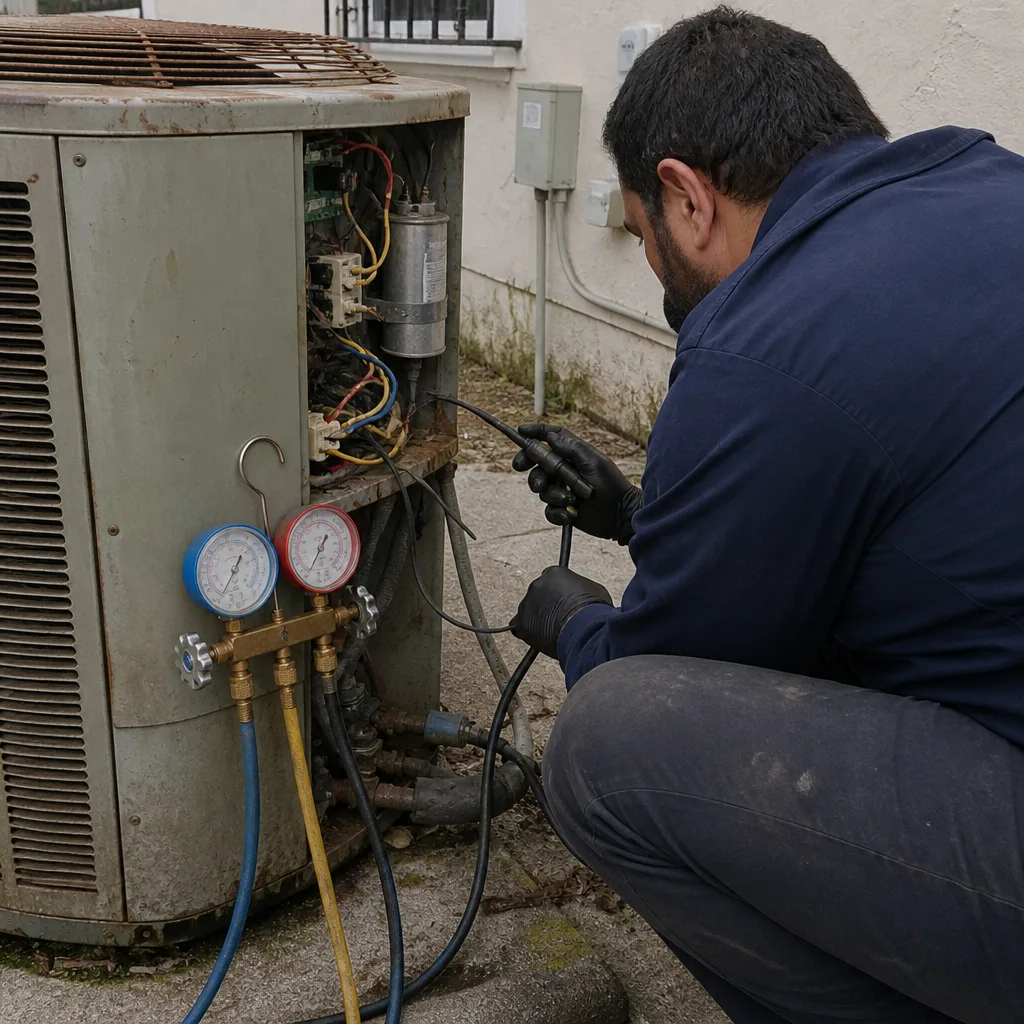 Before
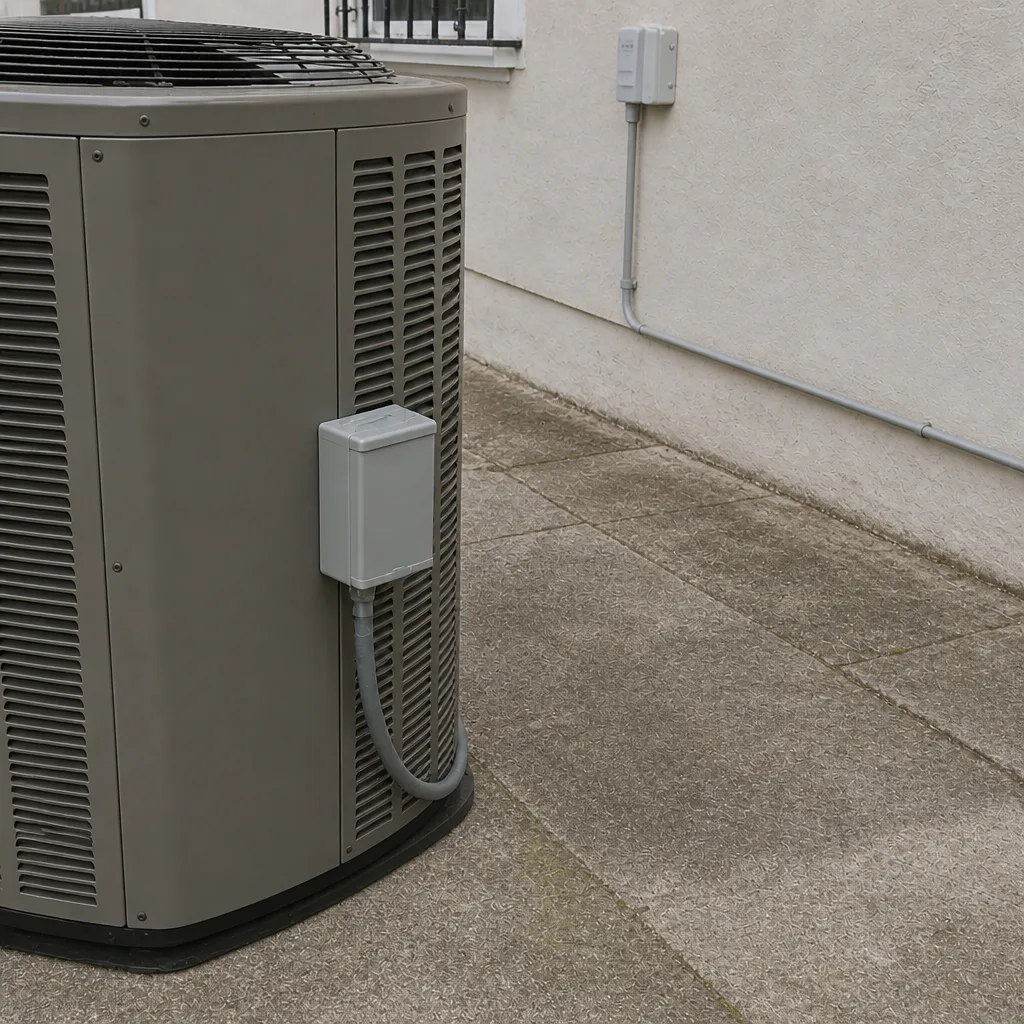 After
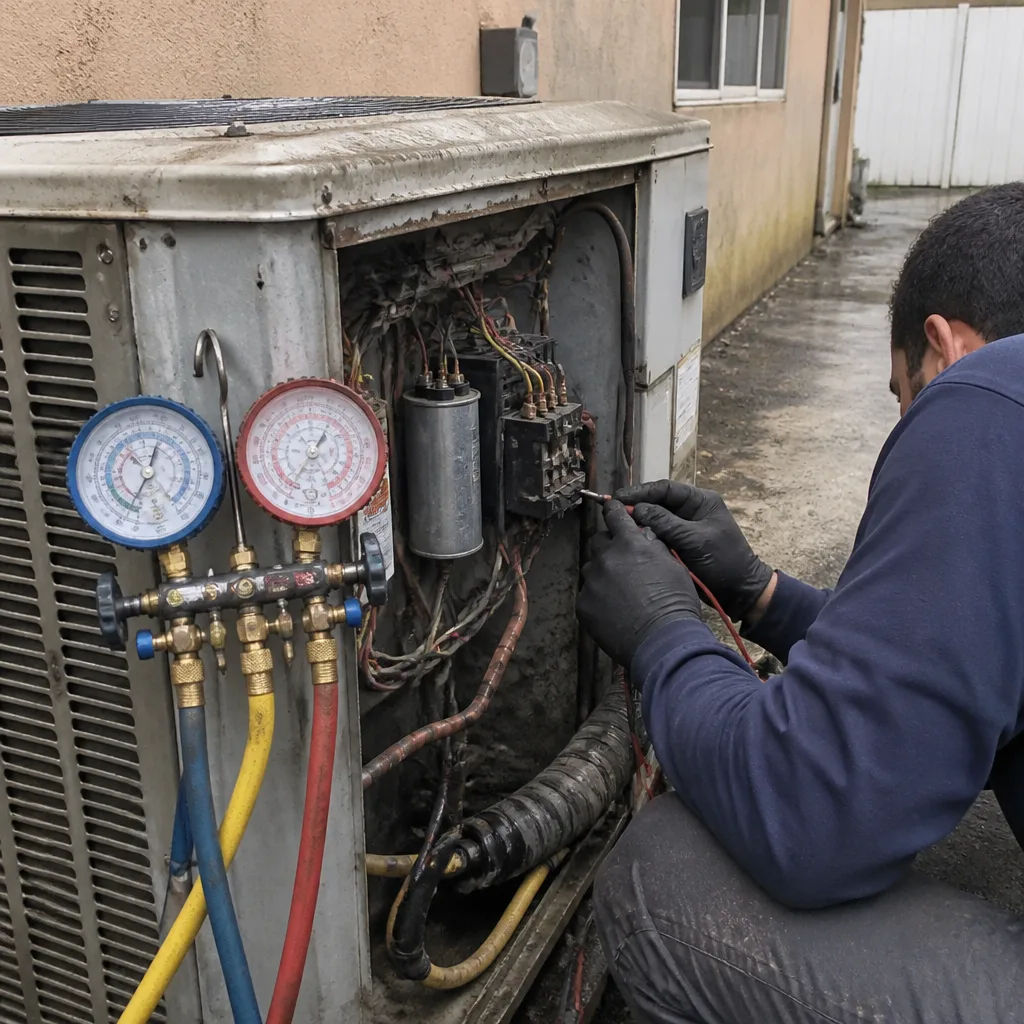 Before
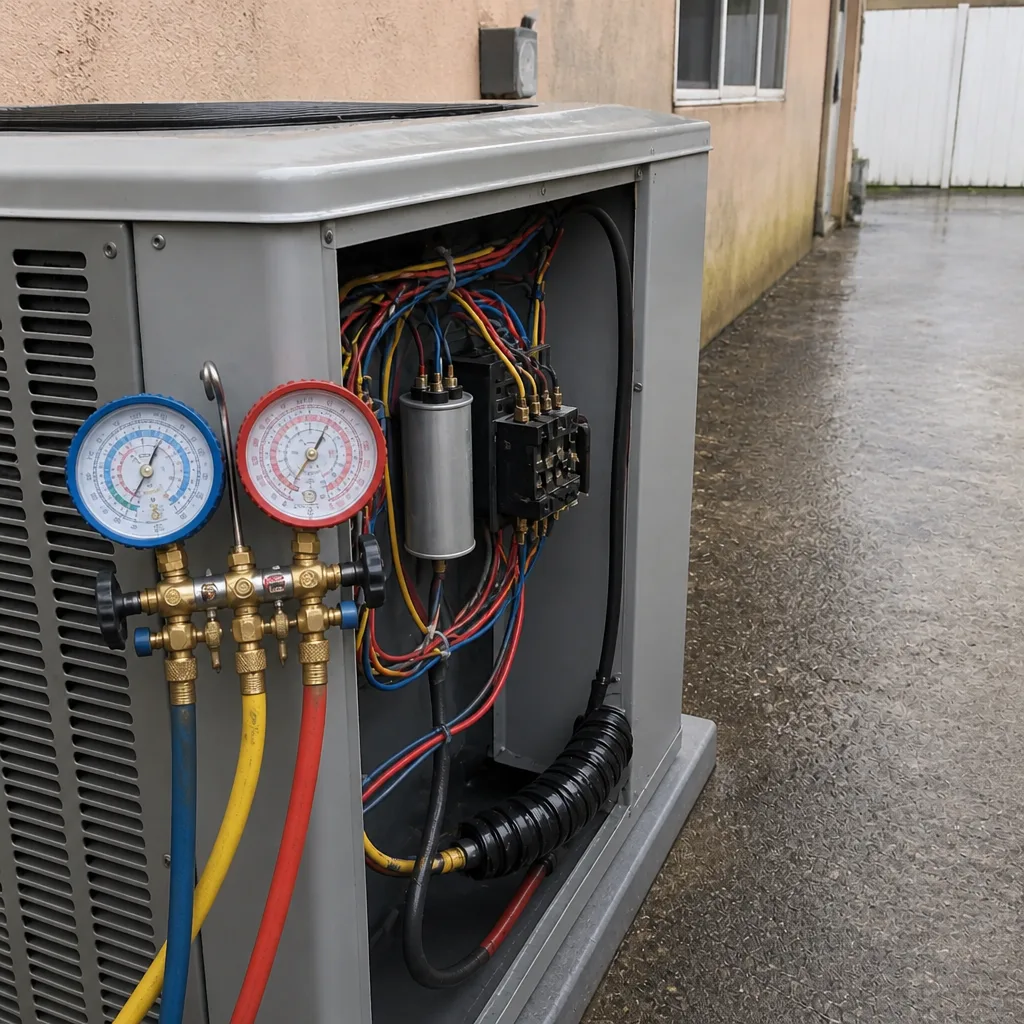 After
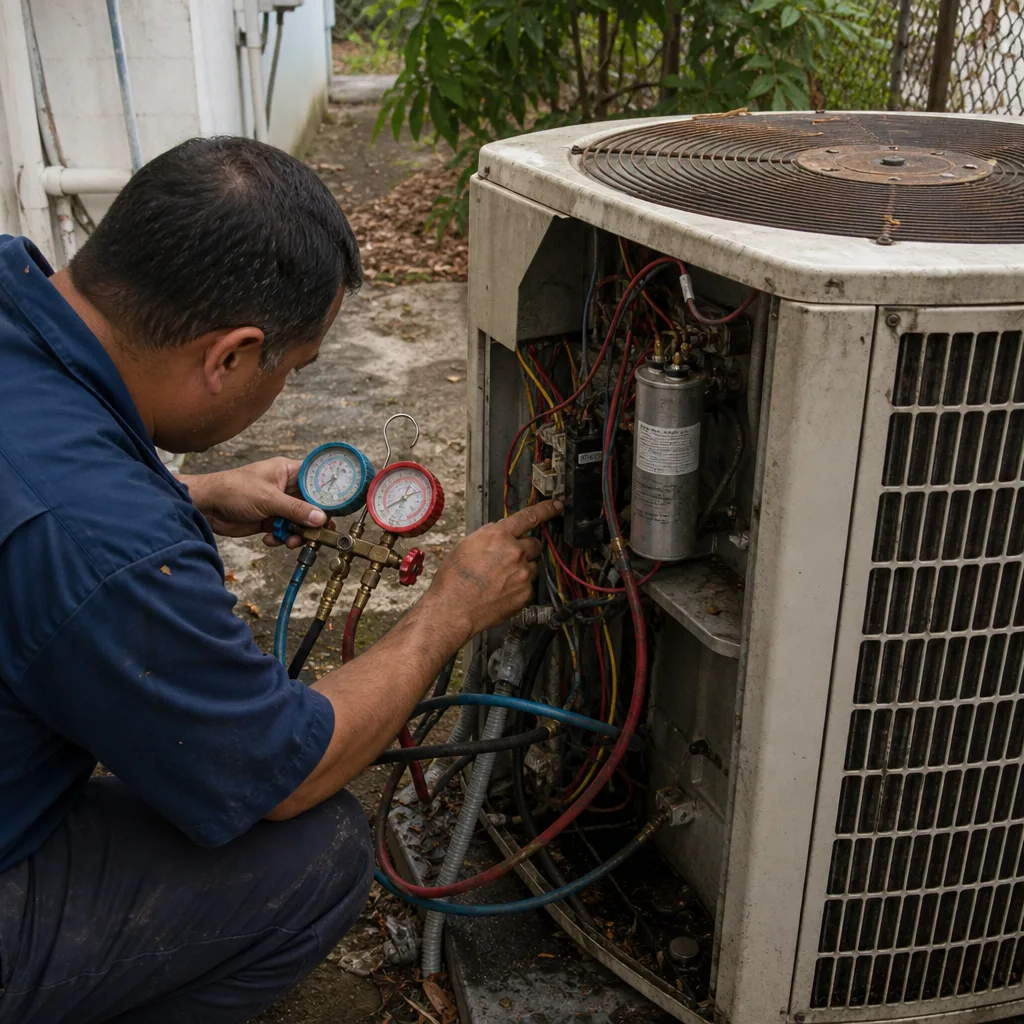 Before
 After
When to Call a Professional
Some furnace work is not a homeowner job, and we want to be direct about that. Any work involving the gas line, the electrical connection to the furnace, the heat exchanger, or the venting system belongs to a trained professional. A heat exchanger crack, a leaking gas valve, or a flue that isn’t drafting properly is a carbon monoxide risk, and that’s a safety issue no homeowner should diagnose on their own. If you smell gas, leave the house and call your gas utility first. Beyond those hard-stops, call a professional when your furnace has a repair history of more than two service visits in a year, when it fails to heat evenly across rooms, when your winter bills are climbing without explanation, or when the unit is old enough that a replacement may cost less over the next five years than a string of repairs. Banner AC Repair offers free estimates in Hialeah. Call (866) 806-7345 for a written fixed price and a set install date. We answer 24/7. Fast dispatch from 7am to 7pm, Sunday through Friday.
Frequently Asked Questions
A furnace replacement in Hialeah typically runs between $3,500 and $7,500 for a standard-efficiency unit and $5,500 to $10,000 for a two-stage or high-efficiency installation, with the written estimate setting your final price. Permit fees, venting changes, and duct work can push the total toward the higher end. Call (866) 806-7345 for a free estimate. We answer 24/7. Fast dispatch from 7am to 7pm, Sunday through Friday.
Yes. A furnace replacement in Miami-Dade County requires a permit and a final inspection. The permit documents the equipment installed, protects you during a future insurance claim, and gives you a clean record if you sell the home. A licensed contractor should handle the application and inspection as part of the job.
Usually not on energy savings alone, because a Hialeah home runs its furnace roughly 300 hours a year and the fuel savings over an 80 percent unit are modest. High-efficiency condensing furnaces are worth considering when other factors make them the right fit, such as a long-term owner in a large home or an installation that needs venting work anyway. In most cases here, a well-sized two-stage 80 percent furnace is the better value.
A standard replacement is typically a one-day job from arrival to cleanup. If the duct system needs rework, the job may extend into a second day. We schedule a firm install date and confirm the scope in writing so there are no surprises.
Repair makes sense when the fix is straightforward and the unit has years left. Replace when the repair cost approaches half the replacement cost, when the heat exchanger is compromised, when the unit needs multiple repairs in a year, or when winter bills keep rising without a clear fix. We do both, so the recommendation we give is based on what the equipment actually needs, not on which service pays more.
Our technicians work on equipment from Carrier, Trane, Lennox, Goodman, Rheem, York, Daikin, Bryant, and American Standard. That breadth means we can advise you on equipment from more than one manufacturer rather than steering you toward a single dealership’s preferred line. Hialeah homeowners get a brand-neutral recommendation, based on the load calculation, efficiency goals, and budget.
The Bottom Line
Replacing a furnace in Hialeah is less about the equipment and more about the decisions around it. The load calculation determines the size. The duct system determines whether that size actually works. The permit determines whether the installation holds up years later. And the efficiency rating matters less than most guides suggest in a climate where heat runs a few weeks a year. Get a written fixed price, a set install date, and a contractor who works on your brand, and the replacement will do what it’s supposed to for years. Banner AC Repair handles heating and cooling with one team. Call (866) 806-7345 for a free estimate. We answer 24/7. Fast dispatch from 7am to 7pm, Sunday through Friday. You can read more about us at Banner AC Repair.
Written by the team at Banner AC Repair.