
Last updated November 15, 2026
 AC repair
 Furnace & heating
 Heat pumps
 Ductless mini splits
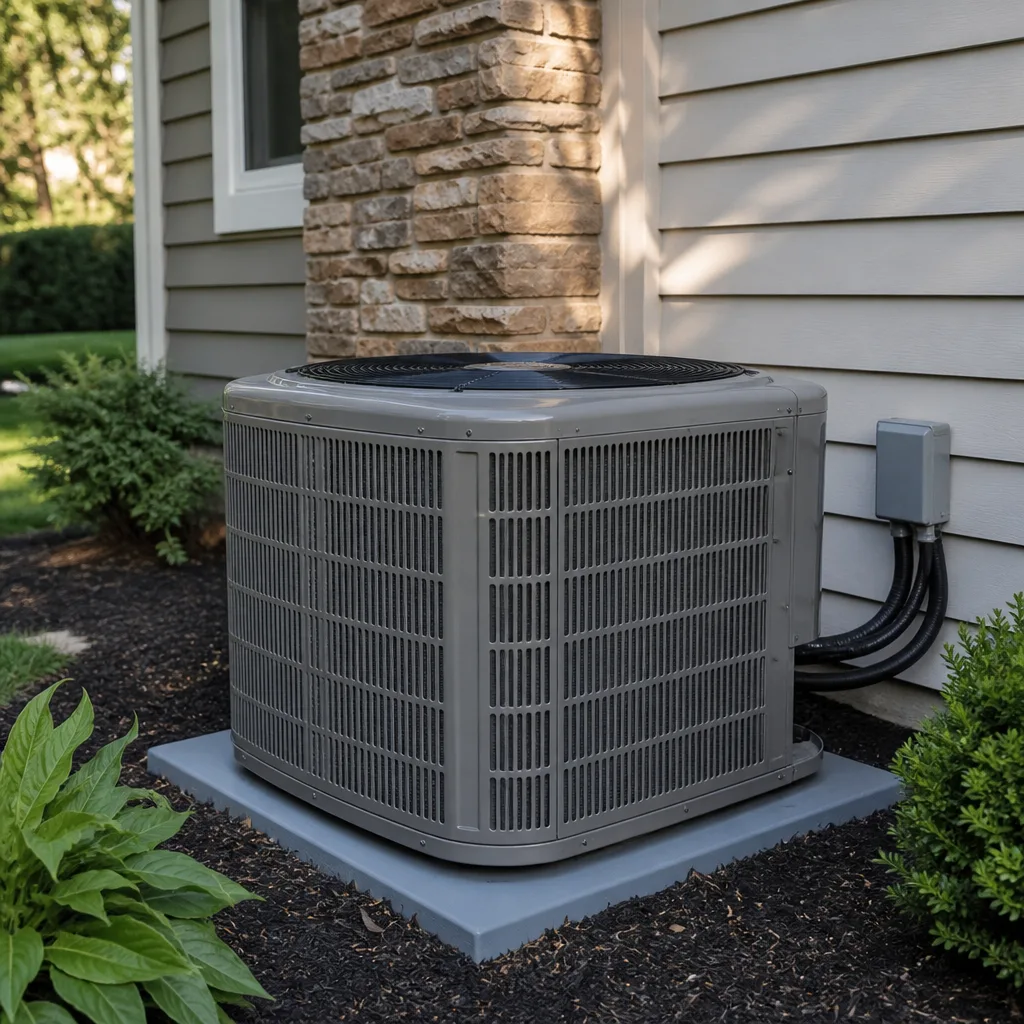 Carrier
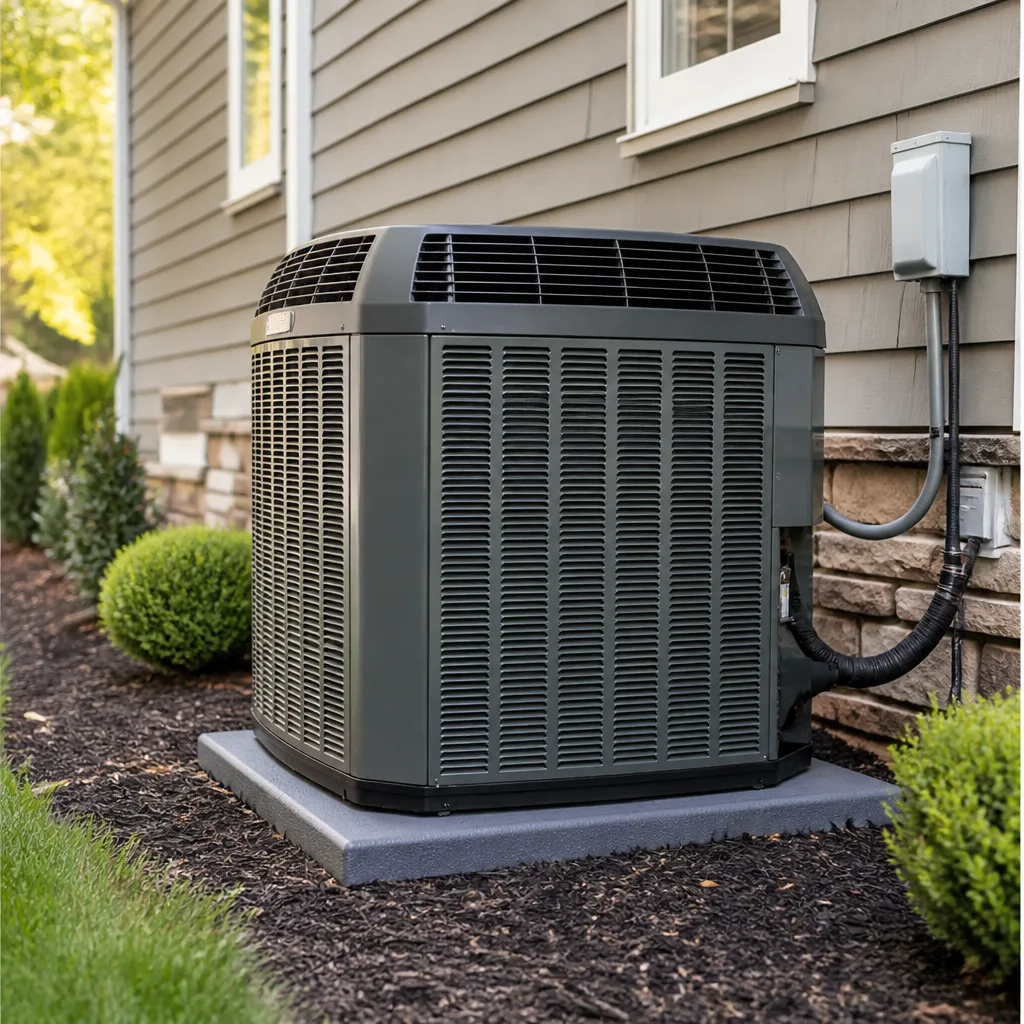 Trane
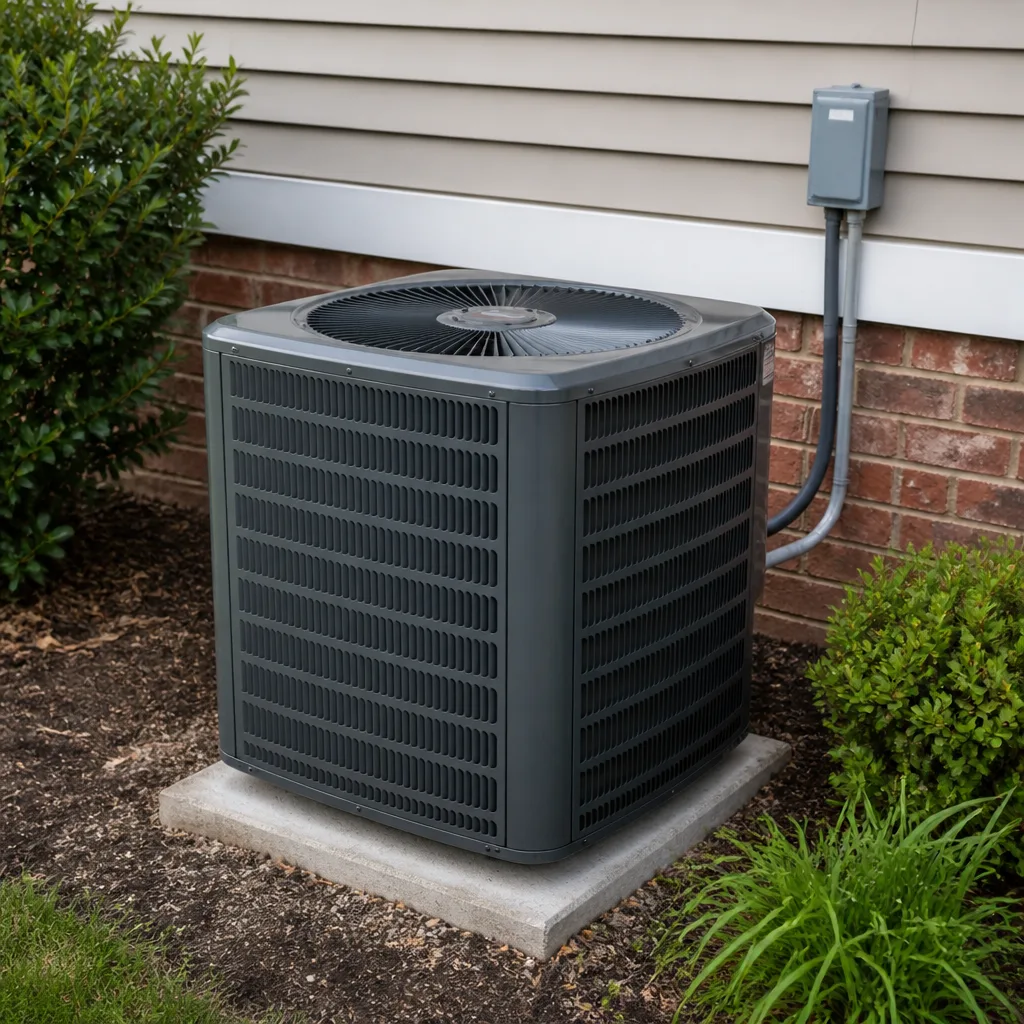 Goodman
Seasonal tune-up and full diagnostic on your Carrier, Trane, or Goodman system - readings shown to you before any repair is proposed
Diagnosis first, numbers second - you approve the repair price before a single part goes in.
Get your free estimateHVAC Permits, Codes & Inspections in Hialeah, FL: What You Need to Know
Most homeowners assume a permit is a formality – something the contractor handles quietly in the background. In Hialeah, it’s the single document that ties your HVAC system to the law, to your insurance policy, and to the value of your home. Miami-Dade rejects HVAC permit applications every year, and the reason is rarely the equipment. It’s paperwork: a missing product approval number, an anchoring detail left blank, a load calculation that doesn’t match the unit on the submittal. This guide walks you through which jobs need a permit, how the High Velocity Hurricane Zone changes the rules, what the two required inspections actually check, and what happens if unpermitted work is discovered. If you own a home in Hialeah, that matters more than you’d expect.
Quick Answer
In Hialeah, a permit is required for any HVAC system replacement, new installation, or ductwork modification. Like-for-like swaps of filters or thermostats are the main exemption. Because Hialeah sits inside Miami-Dade’s High Velocity Hurricane Zone, equipment anchoring, disconnect placement, and inspection sequencing follow stricter rules than most of Florida, and pulling an owner-builder permit for HVAC work is almost never legally valid.
Styles & brands we work with
- AC repair
- Furnace & heating
- Heat pumps
- Ductless mini splits
- Carrier
- Trane
- Goodman
Table of Contents
- Which HVAC jobs in Hialeah need a permit (and which don’t)
- How the High Velocity Hurricane Zone changes the process
- The two inspections, explained
- Owner-builder permits and why they rarely apply to HVAC
- How unpermitted HVAC work surfaces in insurance and real estate
- What to do if you find unpermitted work
- Choosing a contractor who handles permits correctly
- What permits and inspections cost in Hialeah
Which HVAC jobs in Hialeah need a permit (and which don’t)
If the work changes the system, the permit is required. If it changes nothing but a wear part, it usually isn’t. That’s the short version, but the line between the two is where most homeowner confusion starts.
Hialeah issues HVAC permits under the Florida Building Code as adopted by Miami-Dade County, and the code treats mechanical work as a distinct trade with its own permitting rules. The following jobs require a permit:
- Full system replacement – swapping out a condenser, air handler, or both, even if the new unit is the same size and brand as the old one.
- New installation – any first-time installation, including adding a system to a room or an addition.
- Ductwork modification – adding, rerouting, upsizing, or sealing duct runs that change the system’s airflow design.
- Refrigerant line changes – new line sets or relocation of the indoor or outdoor unit.
- Electrical work tied to the HVAC system – new disconnects, circuit changes, or anything that alters the power supply to the equipment.
Jobs that generally do not require a mechanical permit include filter replacements, thermostat swaps (as long as no new wiring is run), and routine servicing like coil cleaning or refrigerant recharge on an existing system. If your contractor tells you a full replacement doesn’t need a permit, that’s a signal to ask harder questions.
For a replacement in Hialeah, the permit is handled by the licensed HVAC contractor, not the homeowner. That’s part of AC installation in this county, and a contractor who treats it as an optional add-on isn’t operating the way the code expects.
How the High Velocity Hurricane Zone changes the process
The High Velocity Hurricane Zone – the HVHZ – is Miami-Dade and Broward’s own wind code, and it’s stricter than the rest of Florida’s. Every HVAC permit issued in Hialeah is reviewed against it. What that means in practice is that the equipment you buy isn’t the only thing being evaluated: how it’s anchored, how it’s powered, and where its disconnect sits all fall under scrutiny.
Equipment anchoring
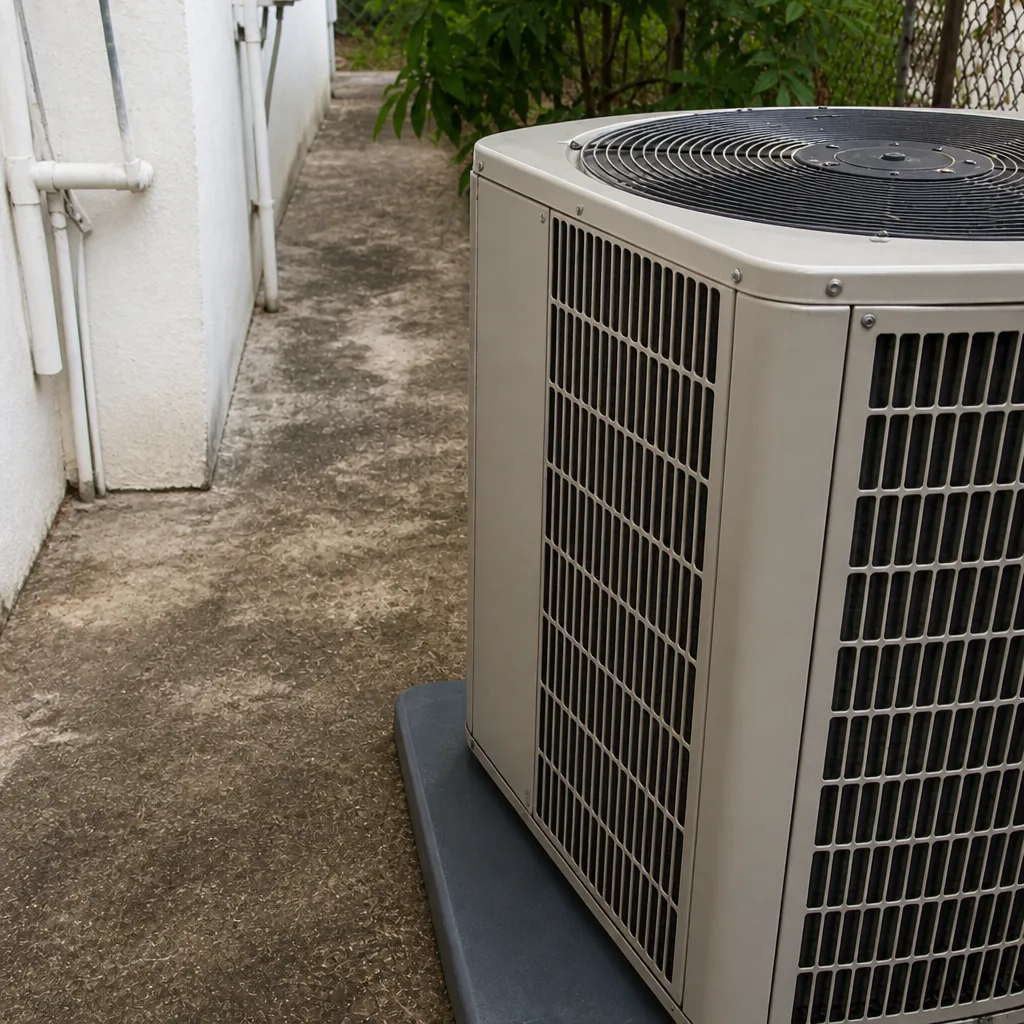
Outdoor condensers in Hialeah have to be secured to a pad or roof curb using attachment methods approved for HVHZ wind loads. Generic lag bolts or a bare concrete pad may not pass, because the product approval has to show the assembly can handle the design wind speed. If a contractor quotes you a replacement without mentioning anchoring, ask them what fasteners and pad they’re using and whether the product approval covers them.
Disconnect placement
The HVAC disconnect – the switch that lets a technician cut power to the condenser – has to be located within sight of the unit and protected from weather. In the HVHZ, the enclosure itself needs a wind rating. Disconnects mounted loosely on a wall, or set behind a fence with no access, get flagged on the rough inspection.
Product approval numbers
Every unit installed in the HVHZ has to carry a Miami-Dade product approval or a Florida product approval valid for the zone. This is a paperwork step, but it’s where most rejections happen. A Lennox condenser might be perfectly good equipment and still fail submittal if the approval number on file doesn’t match the model number on the application.
The practical rule: for any HVAC job in Hialeah, expect your contractor to supply product approval documentation with the permit application. If they can’t, the job isn’t ready to be permitted, let alone installed.
The two inspections, explained
An HVAC permit in Hialeah triggers two inspections – a rough and a final – and each one checks something different. Passing both is what closes the permit, and a closed permit is what makes the work legally complete.
Step 1: the rough inspection
The rough inspection happens after the equipment and ductwork are in place but before the system is finished and sealed. The inspector is checking:
- That the installed equipment matches the approved plans and product approvals.
- That the anchoring method on the outdoor unit matches the permitted attachment detail.
- That the ductwork routing and sizing align with the submittal.
- That the disconnect is properly located and enclosed.
- That the electrical connection is in place and protected.
If the rough passes, the contractor proceeds with final connections, refrigerant charging, and system startup.
Step 2: the final inspection
The final inspection verifies the finished system. The inspector confirms the system operates, that the equipment is still the approved model, that the permit card is signed off, and that no changes were made without a revision. It’s the step that produces the passing inspection record – the document that matters years later when you sell.
We’ve seen jobs in Hialeah fail the final inspection not because the installation was bad, but because the inspection card was never placed where the inspector could find it. Small detail. Real consequence. A permit that never closes is still an open permit on the property record.
Owner-builder permits and why they rarely apply to HVAC
The owner-builder permit exists so a homeowner can build or substantially improve their own single-family residence without a licensed contractor. It’s a narrow allowance, and HVAC work almost never fits inside it.
Florida law limits owner-builder permits to the owner of the property, on a single-family residence the owner intends to occupy, where the owner personally performs the work. In HVAC, the work involves refrigerant handling, electrical connections, and equipment that requires a licensed mechanical contractor to permit and inspect. A homeowner can’t legally install a system themselves in Hialeah and have it permitted under owner-builder, because the mechanical scope exceeds what the allowance covers.
If a homeowner does pull an owner-builder permit for HVAC, the liability lands on them directly. They become responsible for code compliance, for the inspection sequence, and for any defect discovered later. Insurance carriers treat self-permitted HVAC work as an unverified installation, and a claim tied to a system installed under an owner-builder permit can be denied or reduced.
The safe answer: leave the permit in the licensed contractor’s name. If a contractor offers to let you pull the permit to save money, treat that as a warning sign, not a discount.
How unpermitted HVAC work surfaces in insurance and real estate
Unpermitted HVAC work usually stays quiet until a claim or a sale. That’s when it gets expensive.
At the insurance claim
After a system-related loss – a compressor failure that caused water damage, a fire traced to a disconnect, storm damage to an outdoor unit – the adjuster will pull the permit record. If the system was replaced without a permit, the carrier can argue the installation wasn’t inspected and wasn’t code-compliant. That argument can reduce the payout or void coverage for the loss entirely. Even when coverage holds, the claim process takes longer because the adjuster has to investigate the installation before paying.
At the real estate transaction
A buyer’s inspector will check the HVAC permit history. An open or missing permit on a system installed during the seller’s ownership shows up in the title search or the municipal lien search, and it becomes a negotiation issue. Sellers in Hialeah regularly find themselves paying for a retroactive permit and inspection during escrow, or crediting the buyer for the cost of making it right. Either way, the paperwork catches up.
At the mortgage
Some lenders require permit verification on major system replacements before approving a refinance or purchase. An unpermitted HVAC system can delay closing or reduce the appraised value the lender will honor.
The cost of the permit is small next to the cost of discovering the permit was skipped. That’s the reason we treat permit handling as part of the job, not an extra line item.
What to do if you find unpermitted work
If you’ve discovered an HVAC system in Hialeah that was installed without a permit – or you’re buying a home and the seller can’t produce one – the process to fix it is called permitting in retrospect, and it’s manageable. Here’s how it typically runs:
- Confirm the scope. Determine what was actually installed and when. Permit records, equipment serial numbers, and any contractor invoices help.
- Contact the building department. Hialeah’s building department will tell you what the retrospective permit process requires for that scope. Sometimes it’s a full submittal; sometimes it’s an inspection-only path.
- Hire a licensed HVAC contractor. A retrospective permit still needs a licensed mechanical contractor to submit it and take responsibility for the installation as it exists.
- Schedule the inspections. The rough and final inspections still apply, though the sequence may be combined for a completed installation.
- Document the result. Keep the passing inspection record and the closed permit in your home files. That’s the document that protects you at sale and at claim time.
The good news is that most unpermitted HVAC work can be brought into compliance. The bad news is that the process takes longer and costs more than doing it right the first time – and the equipment may still fail inspection if the original install cut corners on anchoring or disconnect placement.
Choosing a contractor who handles permits correctly
The best way to avoid the problem is to pick a contractor who treats permitting as routine. A few things to look for when you’re comparing HVAC quotes in Hialeah:
- They mention the permit in the written estimate. Permit fees and inspection scheduling should be stated up front, not added later.
- They ask for the product approval numbers before quoting. HVHZ compliance starts at equipment selection, so a good contractor confirms the model is approved for the zone before you sign.
- They can explain the two inspections. A contractor who can’t describe the rough and final sequence probably doesn’t manage them closely.
- They offer a written, fixed price. Permits are predictable; a quote that suddenly grows after the contract is signed is a sign the original scope was thin.
- They work on multiple equipment brands. Brand-specific dealers are sometimes locked into a product line that doesn’t match the approved assembly on your property. We work on your brand: Carrier, Trane, Lennox, Goodman, Rheem, York, Daikin, Bryant, and American Standard, so the equipment choice follows the home, not a dealership agreement.
Whether your Goodman condenser is being replaced or your Rheem air handler is being rerouted to a new closet, the permit process is the same. The contractor’s job is to get it right the first time. If you’re also replacing a furnace or dealing with a heating issue, furnace repair in Hialeah runs through the same permitting framework when the scope changes the system.
What permits and inspections cost in Hialeah
Permit fees in Hialeah are set by the building department based on the scope and valuation of the work, and they’re usually included in a contractor’s quote rather than billed separately. Inspection fees are part of the permit. If a contractor breaks out a separate “inspection fee,” ask what it covers.
The contractor’s labor and equipment costs are separate from the permit, and those vary by system size, brand, and whether ductwork is being modified. The written estimate is what sets the final price. Ask for the permit and inspection line items to appear on that estimate so you know they’re being handled.
We offer free estimates on HVAC work in Hialeah, and the estimate includes the permit scope. That’s the number that matters, because a quote that leaves out the permit isn’t really the price.
Common Mistakes to Avoid
- Assuming “same size” means “no permit.” A like-for-like replacement of the same tonnage and brand still requires a permit in Hialeah, because the anchoring, disconnect, and product approval all need verification against the current code.
- Letting the contractor talk you into an owner-builder permit. That move shifts legal liability onto you and typically voids the ability to make a claim on the installation later.
- Accepting a quote without a permit line item. If the estimate doesn’t mention the permit, ask whether it’s included, or the fee may appear at the end of the job.
- Skipping the final inspection. An open permit stays on the property record and surfaces at refinance or sale. Confirm the final inspection passed and the permit was closed.
- Trusting a contractor who doesn’t check HVHZ product approvals. Miami-Dade’s product approval database is public; a contractor installing equipment in Hialeah without checking it is gambling with your submittal.
- Discarding the passing inspection record. Keep it with the home’s other documents. It’s the first thing an appraiser or adjuster will ask for after a loss.
- Hiring a generalist for HVAC work. A handyman or general contractor can’t legally permit mechanical work in Hialeah. The permit has to be pulled by a licensed mechanical contractor.
See the difference
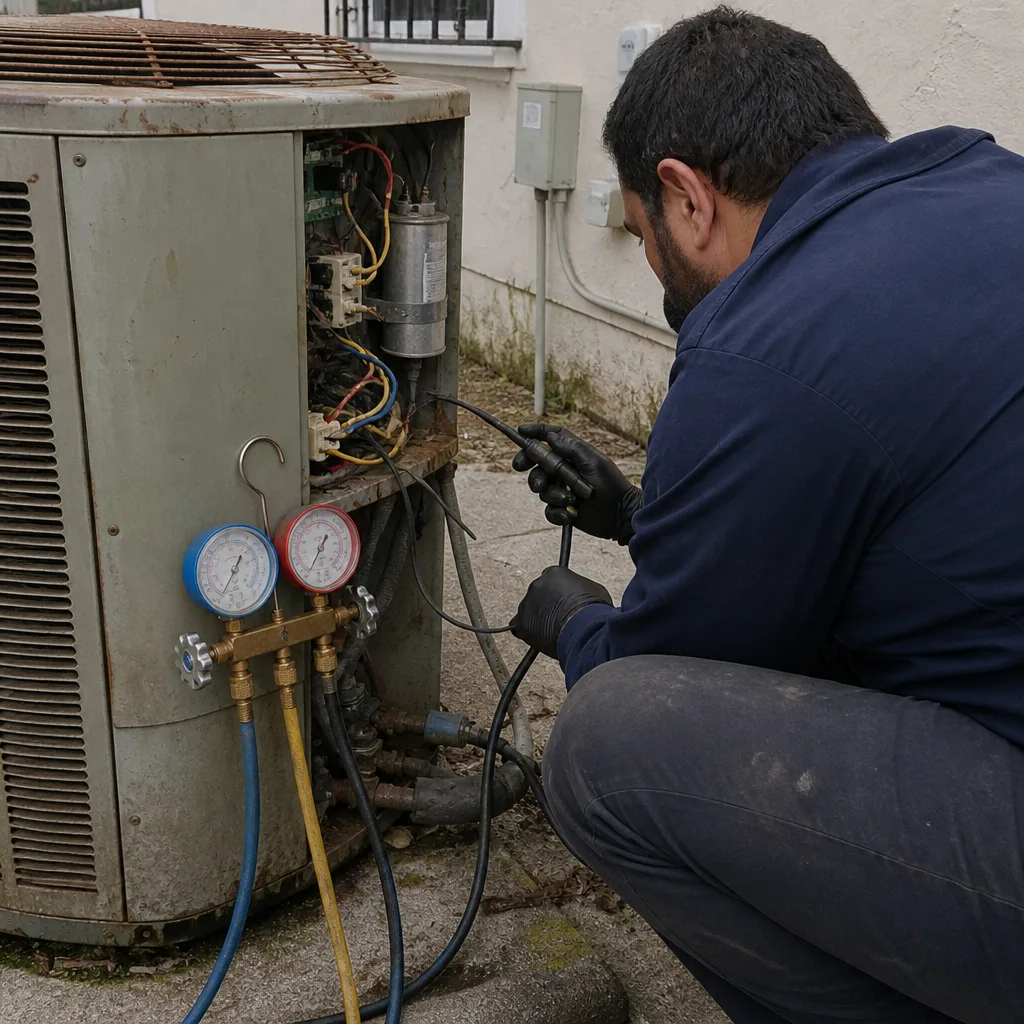 Before
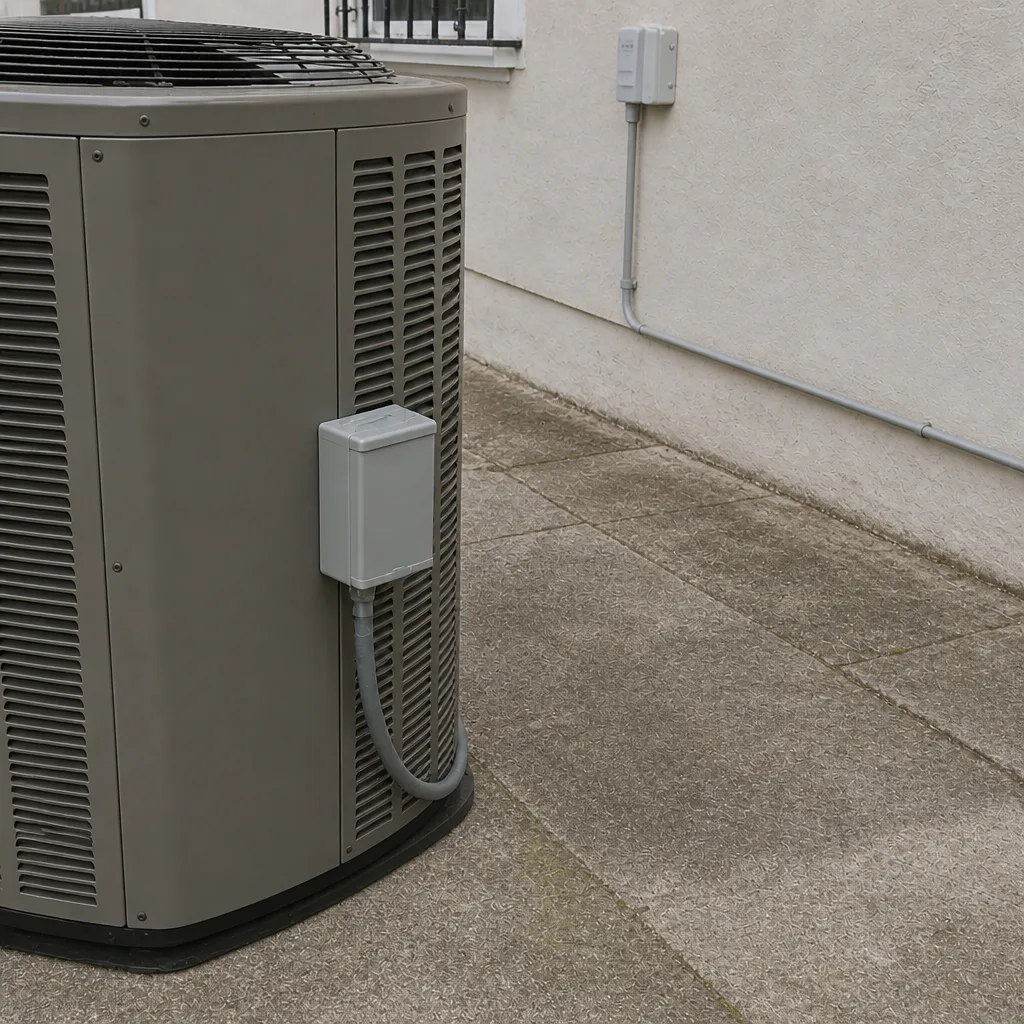 After
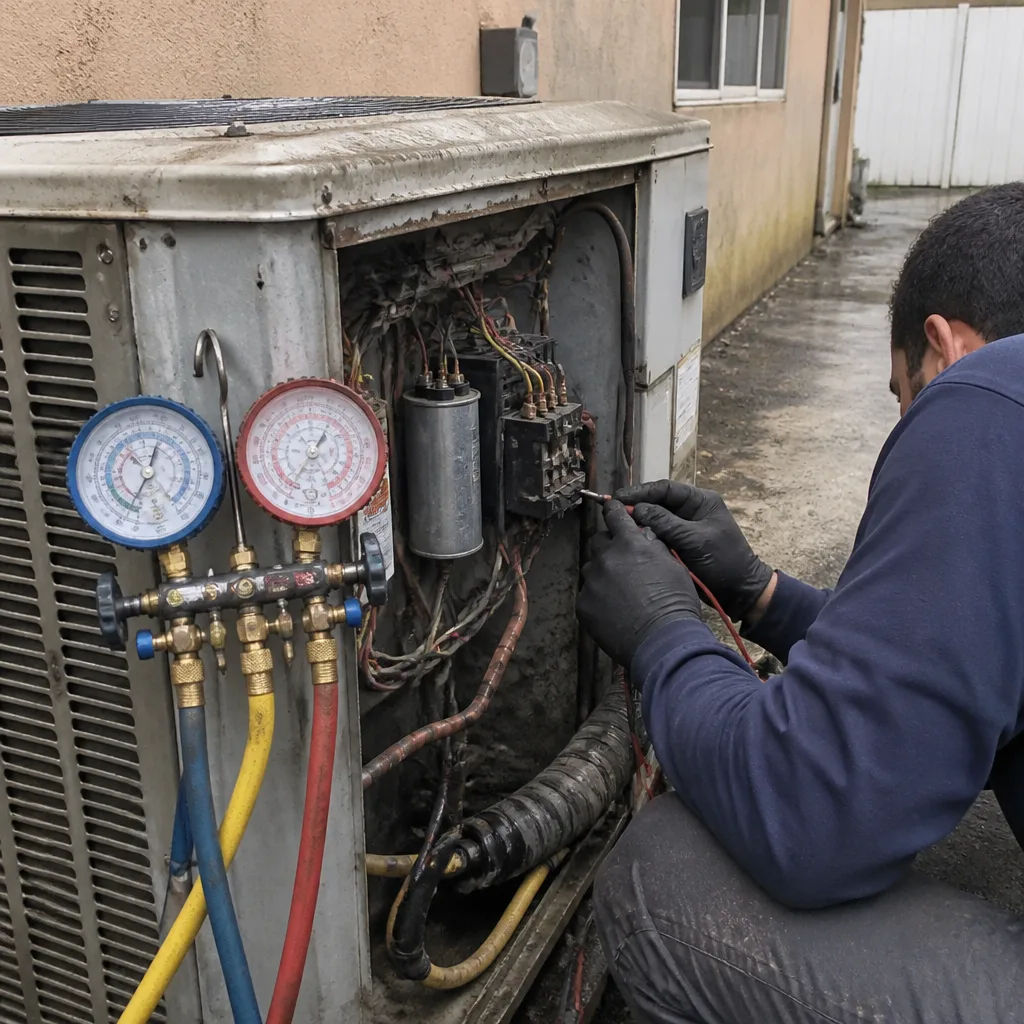 Before
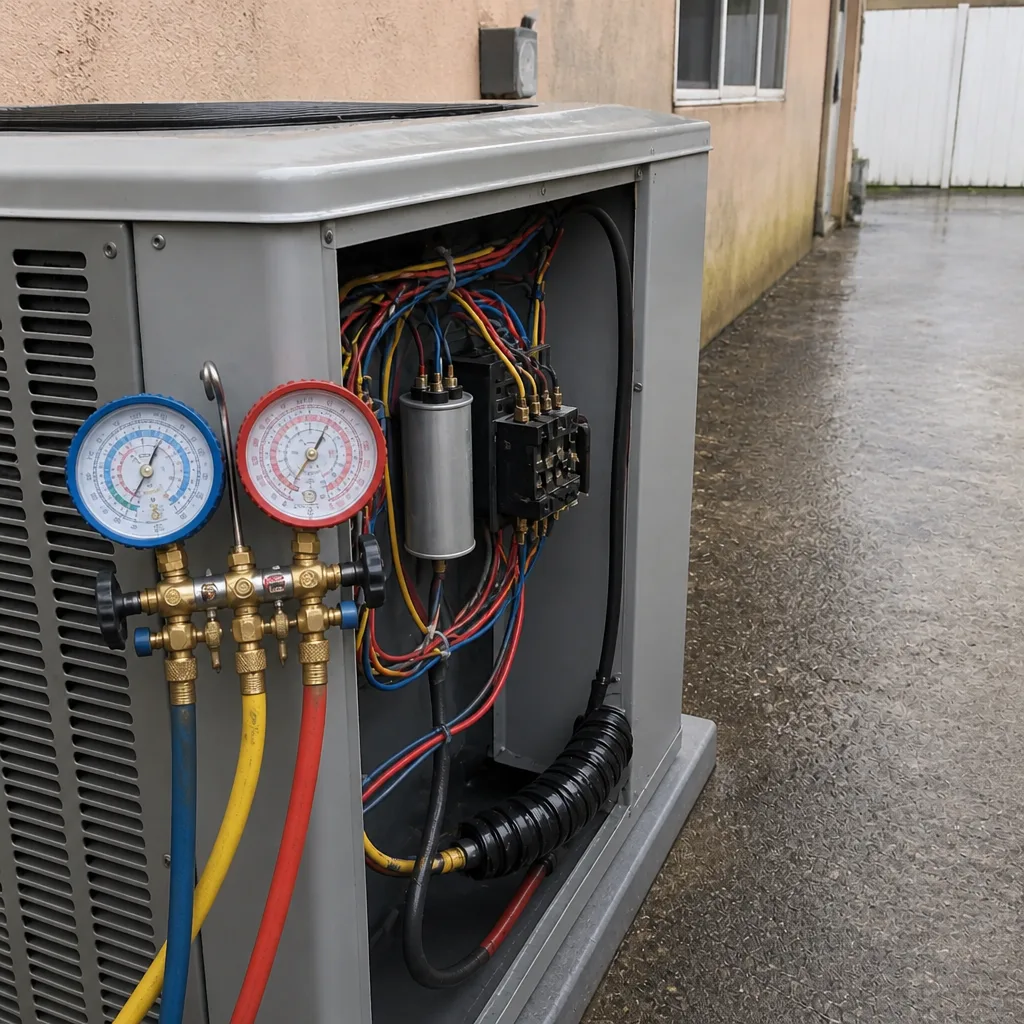 After
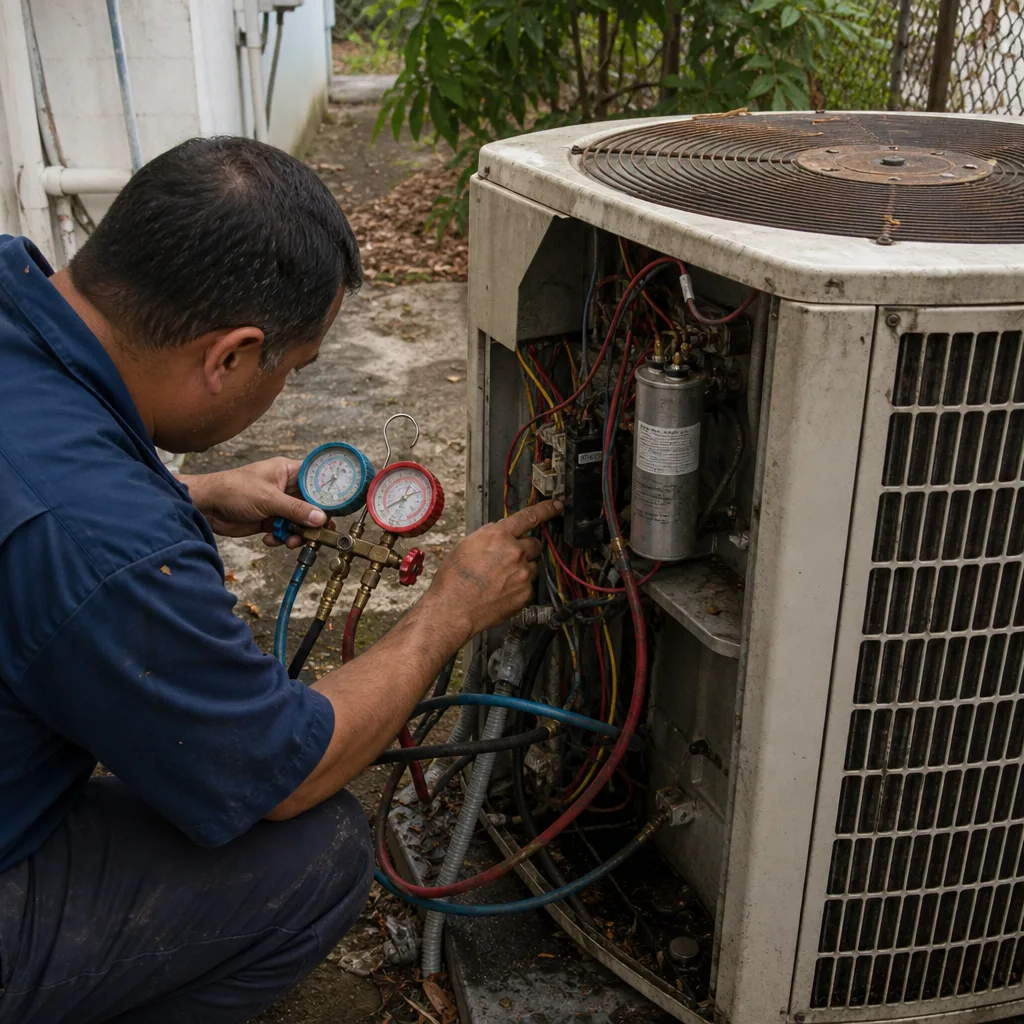 Before
 After
When to Call a Professional
Call a licensed HVAC contractor when the job involves replacement, new installation, ductwork modification, refrigerant line changes, or any electrical work tied to the system – because those are the scopes that require a permit in Hialeah. Call before signing a contract if the quote doesn’t mention the permit, or if the contractor offers to pull it under your name. Call when you’ve discovered unpermitted work during a home sale or refinance and need the retrospective process handled correctly. And call when you want the permit handled as part of the job, not as an extra conversation later. Banner AC Repair offers free estimates in Hialeah – call (866) 806-7345.
Frequently Asked Questions
Yes. Any AC system replacement in Hialeah requires a mechanical permit, even if the new unit is the same size and brand. The permit covers the equipment anchoring, the disconnect placement, and verification that the model is approved for the High Velocity Hurricane Zone. Call (866) 806-7345 for a free estimate – the permit scope is included.
Timeline varies by the scope of the job and current building department volume, so we don’t quote a fixed number of days. The permit has to be issued before work begins, and the two inspections are scheduled after the installation reaches the rough and final stages. Your estimate will include the expected sequence.
An owner-builder permit lets a homeowner build their own single-family residence without a licensed contractor, and it’s limited by law to work the owner personally performs. HVAC work requires a licensed mechanical contractor to permit and inspect it, so owner-builder permits almost never apply. Pulling one shifts liability for code compliance and defects onto the homeowner.
It can reduce or void coverage for a specific loss tied to the unpermitted installation. After a fire or water-damage claim involving the HVAC system, the adjuster will pull the permit record, and an installation that was never inspected is treated differently from one that passed. The safest path is a permitted, inspected installation with the passing record kept on file.
The licensed HVAC contractor pulls the permit in Hialeah. That’s the standard for mechanical work and keeps the responsibility for code compliance where it belongs. If a contractor asks you to pull the permit as the homeowner, treat it as a red flag rather than a way to save money.
An open permit stays on the property record and can surface at sale, refinance, or insurance claim. The remediation process involves retroactive permitting through the building department, a licensed contractor to submit it, and scheduling the inspections. Most cases can be resolved, but it’s more expensive than permitting the job upfront.
The Bottom Line
A permit in Hialeah isn’t paperwork the contractor does after the install – it’s the legal record that the work was done to code. Replacement, new installation, and ductwork changes all require one. The HVHZ rules on anchoring, disconnect placement, and product approvals make the process stricter here than in most of Florida. The rough and final inspections are the checkpoints that produce the passing record. Owner-builder permits don’t cover HVAC work, and skipping the permit can surface as an insurance problem or a sale problem later. Get the permit handled as part of the job, keep the closed record, and if you’re unsure what your project needs, call us for an estimate that includes it.
If you’re planning HVAC work in Hialeah, we handle the permit scope, the equipment approvals, and the inspection sequence as part of the job. Repair-or-replace guidance comes from what your system actually needs, not from which service pays more, and the estimate is free. Call (866) 806-7345. We answer 24/7. Fast dispatch from 7am to 7pm, Sunday through Friday. Our technicians have up to 10 years of experience. Nine brands, one standard of work – whether your Lennox condenser needs anchoring to HVHZ spec or your York air handler needs the ductwork reworked under permit. Know before we arrive.
Written by the team at Banner AC Repair.